
My Father's Shadow: Akinola Davies Jr.'s Debut Sweeps AMVCA 2026 After Historic Cannes and BAFTA Triumphs
"My Father's Shadow" stands as a landmark achievement in Nigerian and African cinema, marking the first time a Nigerian feature entered Cannes' Official Selection while also claiming major honors at the BAFTA and AMVCA ceremonies. The film blends intimate family storytelling with Nigeria's turbulent political past, earning praise from outlets like africanews as "a poignant medi
"My Father's Shadow" stands as a landmark achievement in Nigerian and African cinema, marking the first time a Nigerian feature entered Cannes' Official Selection while also claiming major honors at the BAFTA and AMVCA ceremonies. The film blends intimate family storytelling with Nigeria's turbulent political past, earning praise from outlets like africanews as "a poignant meditation on fatherhood, nationhood, and brotherhood." Its success signals a powerful shift toward authentic African narratives reaching global audiences.
My Father's Shadow: Akinola Davies Jr.'s Debut Sweeps AMVCA 2026 After Historic Cannes and BAFTA Triumphs
Lagos, Nigeria — The film returned to local screens this month amid widespread celebration following its international accolades, drawing crowds eager to experience the story that put Nigerian cinema on the world map. From its origins in the Davies brothers' Fatherland Productions collective to packed houses at Eko Hotels and Suites, the journey reflects growing pride in homegrown talent that refuses to compromise on depth or cultural truth.
A Historic Journey from Cannes to Lagos
British-Nigerian filmmaker Akinola Davies Jr. made his feature debut with "My Father's Shadow," a semi-autobiographical story that became the first Nigerian film selected for Cannes' Official Selection in the Un Certain Regard section in May 2025. The achievement opened doors that had long remained closed to Nigerian features at the world's most prestigious festival.
The film received a Caméra d'Or Special Mention at Cannes, recognizing its fresh voice among debut works from around the globe. This nod highlighted the technical and emotional precision that set it apart from more conventional festival entries.
Akinola Davies Jr. crafted the project alongside his brother Wale Davies, also known as Tec from Show Dem Camp and Tems' manager, who served as co-writer. Their collaboration drew directly from personal memories while expanding into broader Nigerian experiences.
Production came through Fatherland Productions, the collective co-founded by the Davies brothers to support bold African storytelling free from external constraints. The company handled key creative decisions from script to final cut.
Critics at Cannes singled out the visual storytelling and emotional depth, particularly the cinematography by Jermaine Edwards, whose work captured Lagos with both grit and tenderness. The images lingered long after screenings ended.

The momentum from Cannes carried the film forward, proving that Nigerian stories told with care could resonate far beyond local markets and attract serious international attention.
A Story Rooted in Nigerian History
The plot follows two young brothers who spend one tense day with their estranged father in Lagos, navigating fractured relationships against a backdrop of national uncertainty. Every conversation carries the weight of unspoken history and personal longing.
The story unfolds during Nigeria's 1993 presidential election crisis, specifically the annulled June 12 vote that triggered widespread unrest and dashed hopes for democratic transition. This political turmoil mirrors the family's internal fractures.
Ṣọpẹ́ Dìrísù delivers a celebrated performance as the father, bringing quiet intensity and vulnerability to a role that avoids easy stereotypes of Nigerian masculinity. His presence anchors the film's emotional core.
The narrative functions as an intimate family drama that links personal relationships to larger political upheaval, showing how national events shape private lives across generations. Viewers witness both the boys' innocence and the father's regrets.
Themes of Black masculinity, memory, father-son bonds, and the search for belonging run throughout, offering a nuanced portrait of Nigerian history rarely seen on screen. The film refuses to simplify these connections.
Its visual style has been described as "quietly devastating," with beautiful cinematography that lingers on everyday details while building tension. The music score by Duval Timothy and CJ Mirra deepens the atmosphere without overpowering the performances.
BAFTA Recognition: A British-Nigerian Triumph
The film won the BAFTA for Outstanding British Debut at the 2026 EE BAFTA Film Awards, an honor that surprised many given its distinctly Nigerian perspective. The victory placed a story rooted in Lagos firmly within British cinema's highest debut category.
The significance lies in a Nigerian-centered narrative claiming British film's most prestigious recognition for new voices, demonstrating how diaspora talent can honor both heritages without dilution. Industry observers noted the moment as genuinely historic.
During his acceptance speech, Akinola Davies Jr. declared, "For Nigeria, for London, Congo, Sudan, Free Palestine," dedicating the award to communities often overlooked in mainstream awards circuits. The words resonated widely across social media.
Despite British technical contributions, the film has been described as "100% Nigerian" in its storytelling, with every creative choice reflecting the Davies brothers' commitment to authentic representation. This balance proved effective on the global stage.
The Davies brothers celebrated their Nigerian roots openly throughout the BAFTA weekend, turning the event into a platform for cultural pride rather than assimilation. Their presence signaled shifting attitudes toward African-led projects in European institutions.
This BAFTA win followed directly from the Cannes success and built significant momentum heading into the African awards season, positioning the film as a serious contender across multiple continents.
AMVCA 2026: Dominating Africa's Biggest Film Awards
The 12th Africa Magic Viewers' Choice Awards took place on May 9-10, 2026 at Eko Hotels and Suites in Lagos, where "My Father's Shadow" dominated proceedings. The ceremony celebrated both commercial hits and more reflective works, yet this film stood out.
The film won five major awards: Best Movie, Best Director for Akinola Davies Jr., Best Writing in a Movie for Wale Davies, Best Score/Music for Duval Timothy and CJ Mirra, and Best Sound Design for Pius Fatoke and CJ Mirra. Some reports also credit Best Cinematography to Jermaine Edwards, bringing the total to six.
The sweep came against strong competition from titles such as "Colours of Fire" and "To Kill a Monkey," proving that festival-caliber storytelling could triumph at Africa's largest viewer-driven awards. Audiences responded to the film's honesty.
These victories validated the growing appetite for thoughtful Nigerian cinema that balances artistic ambition with cultural resonance. The AMVCA recognition confirmed that local audiences value depth alongside entertainment.
Emotional acceptance moments from the Fatherland Productions team highlighted the collective effort behind the project, with the Davies brothers visibly moved by the homecoming reception. The wins felt like a shared family achievement.
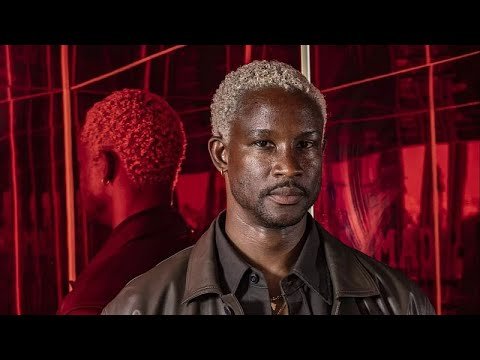
The Lagos ceremony transformed into a celebration of what Nigerian cinema can achieve when given space to explore complex themes without commercial pressure.
Democracy Day Re-Release and Audience Demand
The film returned to Nigerian cinemas on June 5, 2026 for a limited re-release timed with Democracy Day, honoring the 1993 election theme that forms the story's backbone. Theaters reported strong advance bookings from viewers who missed the initial run. The timing proved especially meaningful as Nigerians reflected on three decades of democratic progress since the annulled election that inspired the story.
The re-release was sparked by overwhelming public demand after the AMVCA sweep, with fans calling for wider access to the film that had dominated headlines. Organizers extended screenings in response to the outpouring.
Screenings also expanded to other African cities, including Addis Ababa at Videobet in June 2026, allowing Ethiopian audiences to engage with the Lagos-set narrative. The cross-border interest underscored the film's regional relevance.
The film remains available on the MUBI streaming platform in various territories, giving international viewers continued access beyond festival circuits. This distribution model has helped sustain conversations long after awards season.
Online audiences have debated the wins while celebrating the landmark achievement, with many praising the decision to center political memory alongside family drama. The discussions reflect a maturing film culture.
Director Akinola Davies Jr. offered a grounded perspective: "It's an imperfect film. But Nigeria is an imperfect place. So we just hope people get to watch it with an open heart." The quote captured the project's honest spirit.
What This Means for African Cinema
"My Father's Shadow" serves as a milestone proving that Nigerian cinema can compete at the highest global levels without sacrificing local specificity. Its path from Lagos to Cannes to London demonstrates viable routes for ambitious African projects.
The film bridges Nollywood's commercial energy with arthouse festival prestige, showing that thoughtful pacing and political context can attract both critics and mainstream viewers. This hybrid approach offers a template for future works.
It opens doors for other African filmmakers targeting international festivals by establishing that stories grounded in specific national histories can travel widely when executed with care. The Davies brothers' journey provides a practical roadmap.
Growing recognition of African stories on stages like Cannes, BAFTA, and the AMVCA reflects broader shifts in how global cinema values diverse voices. Streaming platforms such as MUBI play a key role in expanding reach beyond traditional theatrical windows.
Upcoming African film projects can learn from the emphasis on collaboration, cultural authenticity, and persistence through multiple award cycles. The success encourages risk-taking within the continent's evolving industry.
The film's journey captures Africa's cultural renaissance, where authentic storytelling continues to reshape global perceptions and remind audiences that the continent's narratives deserve center stage on their own terms. For Senegalese readers and African audiences everywhere, 'My Father's Shadow' represents a powerful affirmation that our stories, told on our own terms, can move the world.
By Amara Diop, Staff Writer
This article was produced with AI-assisted research and editorial support. Reporting is based on sources cited in the article.
What's Your Reaction?
 Like
0
Like
0
 Dislike
0
Dislike
0
 Love
0
Love
0
 Funny
0
Funny
0
 Wow
0
Wow
0
 Sad
0
Sad
0
 Angry
0
Angry
0

West Africa/Sahel Correspondent at Global1.News. Dakar-based journalist covering politics, security, climate, and development across Francophone and Anglophone West Africa. Tells the stories of a region undergoing profound transformation.













Comments (0)