
Cuba's Third Nationwide Blackout Exposes Deepening Energy Crisis
Cubas Third Nationwide Blackout Exposes Deepening Energy Crisis 1. Protests Erupt as Darkness Falls Across the Island In the sweltering heat of a Caribbean evening this week, the streets of Havana and Santiago de Cuba filled with the rhythmic clang of pots and pans. Thousands of Cubans took to the avenues, their voices rising in frustration as another nationwide power cut plung
Cubas Third Nationwide Blackout Exposes Deepening Energy Crisis
1. Protests Erupt as Darkness Falls Across the Island
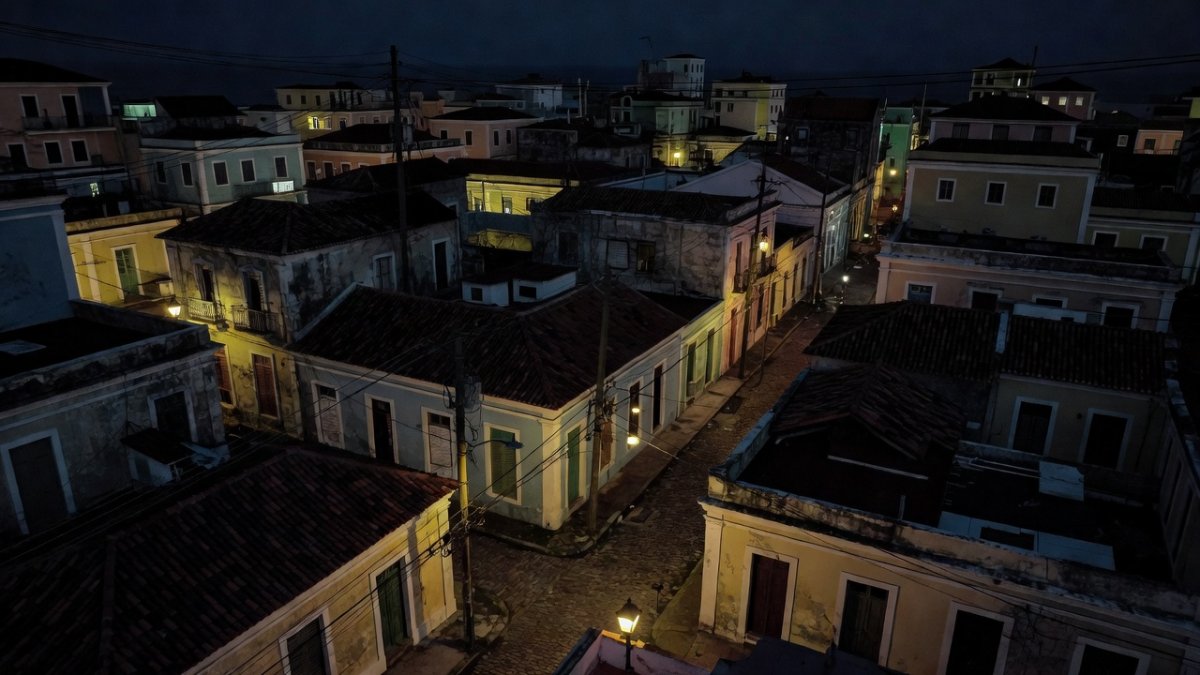
In the sweltering heat of a Caribbean evening this week, the streets of Havana and Santiago de Cuba filled with the rhythmic clang of pots and pans. Thousands of Cubans took to the avenues, their voices rising in frustration as another nationwide power cut plunged homes, hospitals, and factories into darkness. Fires flickered in makeshift barrels where residents gathered to cook what little food remained, the smoke curling into the humid night air. This marks the third nationwide blackout this year, striking on Monday and leaving large swaths of the island without electricity for days. The scale of the crisis is staggering: rural communities have endured up to 70 hours without power, while urban centers have faced rolling outages stretching to 30 hours. In Santiago de Cuba, the second-largest city, lights remained off well into Tuesday evening, turning normally vibrant neighborhoods into silent, sweltering voids. The protests, though largely peaceful, underscore a population pushed to its limits by repeated failures of the national grid. As climate journalist reporting from the region, I have witnessed how such events compound existing vulnerabilities in small island nations already grappling with intensifying storms and rising seas. The pot-banging demonstrations echo earlier waves of discontent, but this time the anger carries a sharper edge, directed at both domestic shortcomings and external pressures that have long constrained Cuba's energy options.
The visual of families huddled around open flames in the streets paints a stark picture of regression in a country once proud of its social achievements. Children play by candlelight while elders recount how previous generations navigated similar shortages during the Special Period of the 1990s. Yet the current crisis feels more acute because it arrives amid global conversations about climate resilience and sustainable development. Cuba's repeated blackouts are not isolated incidents but symptoms of a broader Latin American energy fragility that leaves millions exposed when imported fuel supplies falter. The protests this week served as both a release valve and a warning: without swift intervention, the social fabric risks further strain. International observers note that these demonstrations remain contained, yet the underlying desperation is palpable across the island's 11 million residents.
2. Timeline of the Third Outage: Rolling Cuts and Stark Disparities
The latest blackout began unfolding on Monday morning when the national electrical grid suffered a cascading failure, the third such nationwide event in 2025. Engineers reported initial problems at major thermoelectric plants, triggering automatic shutdowns that rippled across the interconnected system. By midday, power had vanished from provinces in the east and central regions, with Havana experiencing intermittent supply before total collapse by evening. Rolling blackouts were implemented in an attempt to stabilize the grid, but these proved insufficient as fuel shortages prevented generators from running at full capacity. Rural areas bore the brunt, with some communities reporting continuous darkness for up to 70 hours by midweek. Urban zones, while better connected to backup systems, still faced up to 30 hours without reliable electricity. Santiago de Cuba remained completely dark into Tuesday evening, its iconic cathedral square lit only by emergency lanterns and the occasional vehicle headlight.
Historical patterns show these outages have grown more frequent since the early 2020s, coinciding with aging infrastructure built decades ago. The disparity between rural and urban experiences highlights deep inequalities within Cuban society: remote farming communities lose irrigation pumps and refrigeration for days longer than city dwellers. Government statements confirmed the outage affected over 90 percent of the territory at its peak. Recovery efforts focused first on hospitals and water pumping stations, yet full restoration lagged due to limited spare parts and fuel. This week's timeline mirrors previous blackouts earlier in the year, each one eroding public confidence and amplifying calls for systemic change. The technical fragility of the grid, reliant on a handful of large plants, leaves little margin for error when any single component fails.
3. Daily Life Unravels Without Power: Food, Health, and Livelihoods at Risk
Without electricity, Cuban households confront immediate survival challenges that extend far beyond inconvenience. Refrigerators stand silent, forcing families to discard spoiled meat, milk, and produce that represent weeks of scarce wages. In rural zones where outages stretch to 70 hours, entire harvests risk loss as cold storage fails. Medical equipment dependent on continuous power, including oxygen concentrators and dialysis machines, forces patients into emergency transfers or home remedies that prove inadequate. Pharmacies close early when backup generators run out of diesel, leaving diabetics and those with chronic conditions without insulin or essential drugs. Small businesses, from corner bakeries to repair shops, shutter their doors, deepening an already severe economic contraction.
The human toll accumulates quietly in darkened homes where children struggle to complete homework by flashlight and elderly residents endure stifling nights without fans. Street vendors who rely on refrigerated goods report near-total losses, while informal markets see prices for non-perishables spike overnight. Hospitals operate on skeleton staff with limited lighting, postponing elective procedures and prioritizing only the most critical cases. These disruptions compound existing shortages of transport, food, and medicines that President Díaz-Canel himself acknowledged in recent addresses. The absence of power transforms routine tasks into exhausting ordeals, from boiling water for drinking to manually washing clothes. Across the island, the blackout has frozen daily rhythms, leaving residents to improvise solutions that highlight both resilience and profound systemic strain.
4. Political Fallout: Díaz-Canel's Appeal and Sharp US Retorts
President Miguel Díaz-Canel addressed the nation this week, acknowledging the "shortages of transport, food, medicines, lengthy power cuts lasting more than 20 hours" that have defined recent months. In a pointed statement, he urged citizens to "direct your pot-banging towards our northern neighbours," framing the crisis as largely external in origin. The remarks came amid growing domestic pressure, with protests spreading from provincial capitals to the capital itself. Díaz-Canel's government has maintained that the repeated grid failures stem from deliberate external constraints rather than solely internal mismanagement. Bruno Rodríguez, Cuba's foreign minister, described the situation as the result of "multi-dimensional, non-conventional warfare" waged by the United States.
Washington responded swiftly. US Ambassador to the United Nations Mike Waltz stated that Cuba must "change your ways and turn the lights back on," rejecting calls for immediate relief. The Trump administration has pursued fresh sanctions and an oil blockade, alongside filing murder charges against former leader Raúl Castro. Private diplomatic talks between the two countries have shown "no progress," according to officials familiar with the discussions. The political rhetoric has hardened on both sides, with Havana accusing the US of exploiting the crisis for regime-change goals and Washington insisting that internal reforms must precede any easing of pressure. This exchange has further polarized an already tense bilateral relationship, leaving little room for immediate humanitarian gestures that might alleviate the blackout's worst effects.
5. Sanctions and the Oil Blockade: Strangling Fuel Supplies
US sanctions intensified under the Trump administration have created a near-total blockade on oil imports, directly contributing to the fuel shortages that triggered Monday's outage. The seizure of Venezuelan leader Nicolás Maduro by US forces in January removed Cuba's primary supplier of subsidized crude, a lifeline that had sustained the island's thermoelectric plants for years. Trump publicly remarked that Cuba was "ready to fall" following the operation, signaling further isolation. Additional measures now threaten tariffs on any third country attempting to ship fuel to Havana, effectively deterring potential alternative suppliers from Brazil, Russia, or Algeria.
The cumulative effect has been a slow strangulation of the energy sector. Refineries sit idle for lack of feedstock, while aging power plants cannot be maintained without imported components restricted by sanctions. Private talks between US and Cuban officials have yielded no breakthroughs, leaving the blockade intact. These policies build on decades of economic pressure but have accelerated since 2025, coinciding with the three nationwide blackouts. The result is a grid that cannot recover quickly once failures begin, as spare fuel reserves remain critically low. Cuban officials argue the measures constitute collective punishment on the civilian population, while US policymakers maintain they target regime finances. Regardless of perspective, the sanctions have left Cuba's energy system uniquely exposed compared with other Caribbean nations.
6. Latin American Energy Vulnerability: Lessons from Venezuela and Haiti
Cuba's repeated blackouts mirror broader patterns of energy fragility across Latin America and the Caribbean. Venezuela's grid collapse in previous years followed similar fuel shortages and infrastructure decay, leaving millions without power for extended periods and triggering mass migration. Haiti has endured chronic grid failures for decades, with rural areas often experiencing weeks without electricity due to reliance on expensive imported diesel. Both cases illustrate the dangers of heavy dependence on foreign fuel supplies in regions prone to political instability and external sanctions. Cuba now finds itself in comparable straits, its thermoelectric plants starved of oil after the loss of Venezuelan shipments.
The Caribbean as a whole remains disproportionately exposed because most islands lack domestic fossil resources and have limited interconnection between grids. When global prices spike or political events disrupt shipments, entire populations suffer. Regional analysts note that countries with greater renewable penetration, such as Costa Rica or Uruguay, have weathered recent shocks more effectively. Cuba's situation is worsened by the US oil blockade and tariff threats against potential suppliers, which isolate it further than its neighbors. The pattern suggests that without diversified energy sources, small economies will continue facing cascading failures whenever external conditions deteriorate. This week's outage in Cuba serves as the latest reminder of how interconnected these vulnerabilities have become across the hemisphere.
7. Climate Resilience and the Path Forward: Solar Potential and Regional Cooperation
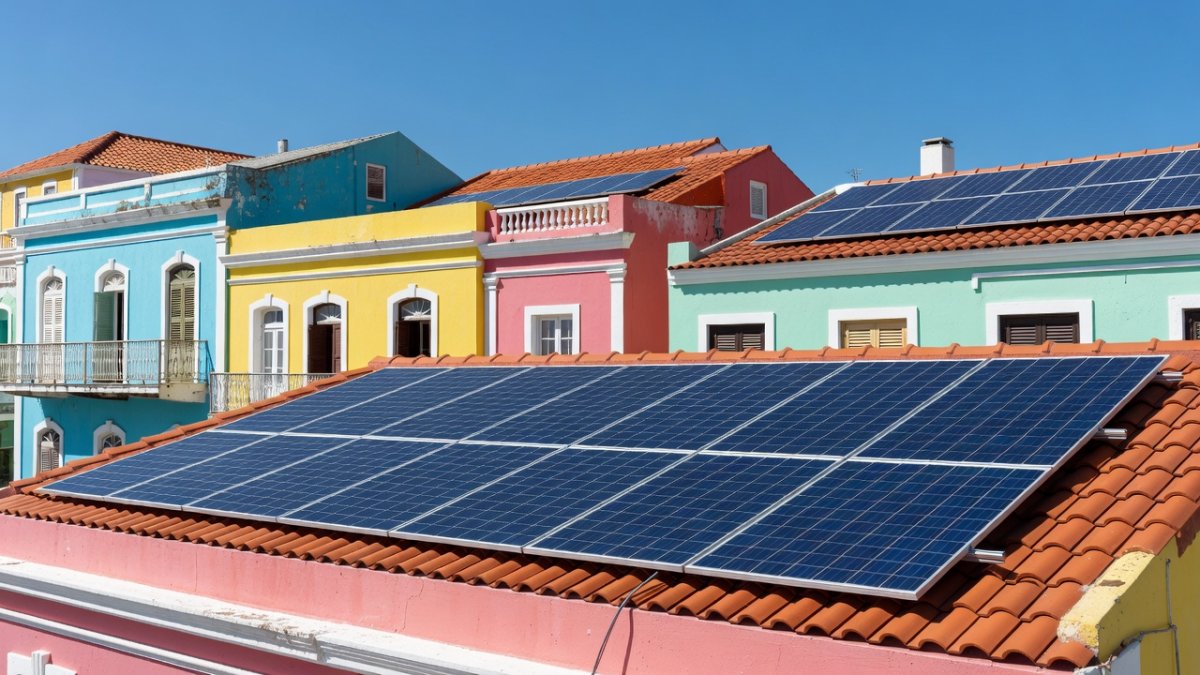
Despite the darkness, Cuba possesses significant untapped renewable potential, particularly in solar energy, that could form the backbone of future resilience. The island receives abundant sunshine year-round, yet large-scale photovoltaic deployment remains minimal due to financing constraints and sanctions limiting technology imports. Expanding distributed solar on rooftops and in rural cooperatives could reduce dependence on centralized plants vulnerable to single-point failures. Regional cooperation offers another avenue: joint procurement of renewable equipment among Caribbean nations or shared financing mechanisms could lower costs and bypass some bilateral restrictions.
Cautious hope rests on incremental steps already visible in pilot projects and private-sector experiments. If sanctions were eased and international climate finance accessed, Cuba could accelerate its transition, following models seen in other small island developing states. Broader Latin American energy integration, including cross-border renewable grids, might provide redundancy during crises. While the current blackout underscores immediate suffering, it also highlights the urgency of building systems that withstand both political shocks and intensifying climate impacts such as stronger hurricanes. The path forward requires political will on multiple fronts, yet the technical and natural resources exist to chart a more secure energy future for the island and its neighbors.
By Elena Vasquez, Staff Writer
This article was produced with AI-assisted research and editorial support. Reporting is based on sources cited in the article.
What's Your Reaction?
 Like
0
Like
0
 Dislike
0
Dislike
0
 Love
0
Love
0
 Funny
0
Funny
0
 Wow
0
Wow
0
 Sad
0
Sad
0
 Angry
0
Angry
0

Latin America Correspondent at Global1.News. Based in Mexico City, covering politics, economics, energy, and culture across the region. Brings an on-the-ground perspective to stories spanning from the Rio Grande to Patagonia.












Comments (0)