
US-Iran Strikes Escalate as Strait of Hormuz Becomes Flashpoint for Regional War
The United States and Iran have entered a dangerous new phase of direct military confrontation, with the latest exchange of strikes centered on the strategic Strait of Hormuz. The critical waterway — through which roughly 20 percent of the world's oil supply transits — has become both battleground and bargaining chip in a conflict that threatens to reshape Middle Eastern securi
The United States and Iran have entered a dangerous new phase of direct military confrontation, with the latest exchange of strikes centered on the strategic Strait of Hormuz. The critical waterway — through which roughly 20 percent of the world's oil supply transits — has become both battleground and bargaining chip in a conflict that threatens to reshape Middle Eastern security architecture.
Strait of Hormuz Under Fire: A New Phase in US-Iran Hostilities
The latest escalation between the United States and Iran has placed the Strait of Hormuz at the center of regional confrontation. On July 12, 2026, the US military conducted a third round of strikes against Iranian targets following an IRGC attack on the Cyprus-flagged container ship M/V GFS Galaxy. This incident, which left one crew member missing and disabled the vessel by fire, triggered a rapid cycle of military action that directly threatens 20 percent of global oil trade.
Breakdown of the Pakistan-Brokered Ceasefire
The current round of fighting follows the collapse of a 60-day memorandum of understanding mediated by Pakistan earlier this year. On July 8, President Trump declared the interim agreement “over,” ending a brief pause in direct exchanges. The MoU had aimed to de-escalate tensions after months of tit-for-tat incidents that define the ongoing 2026 Iran war. Its failure highlights the difficulty of sustaining even limited diplomatic arrangements when core security interests remain unresolved.
US Military Response and Iranian Counterstrikes
CENTCOM reported striking approximately 140 Iranian military targets using land- and sea-based fighter aircraft and drones. In response, the IRGC declared the Strait of Hormuz “closed until further notice” and launched ballistic missile and drone attacks on US facilities. These included Al Udeid Air Base in Qatar, Prince Hassan Air Base in Jordan, radar sites in Kuwait, and bases in Bahrain. The IRGC also claimed to have disabled a second vessel in the strait.
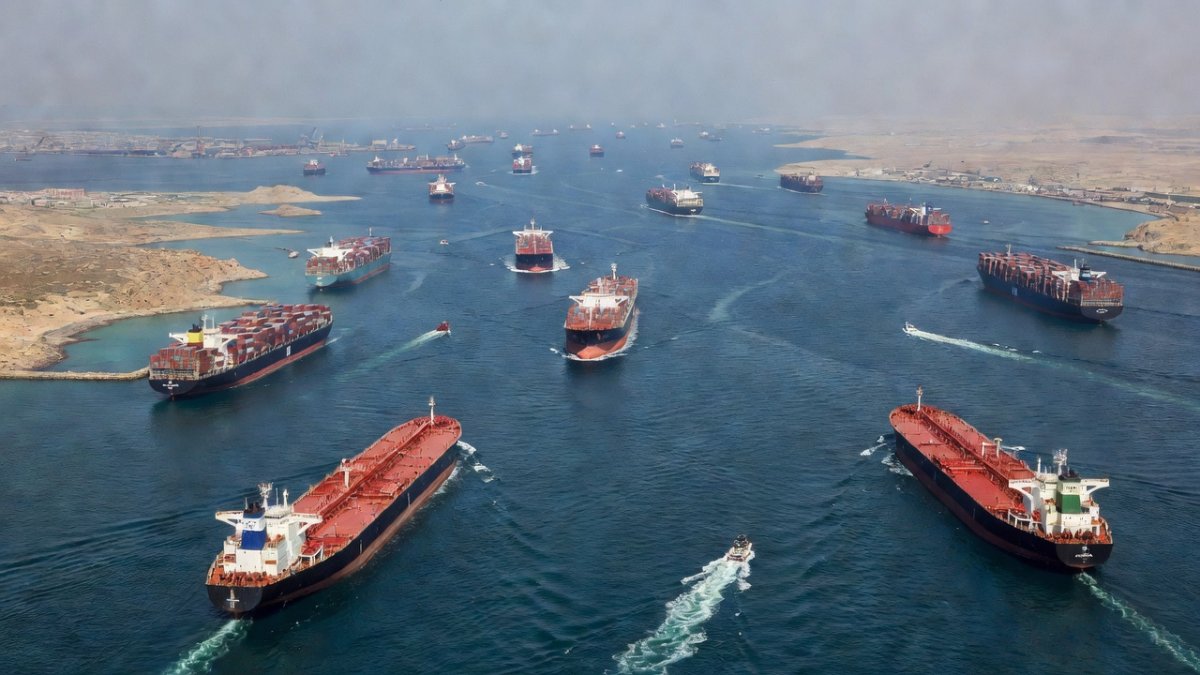
Despite the IRGC announcement, the United States maintains that the strait remains open, with some commercial traffic continuing to transit. This divergence in claims underscores the immediate contest over control of the vital waterway.
Strategic Calculations of Washington and Tehran
The United States seeks to deter further Iranian disruption of maritime traffic and to protect its regional military posture. By targeting IRGC assets, Washington aims to restore deterrence after repeated attacks on shipping. Iran, for its part, views closure of the strait as asymmetric leverage against superior US conventional power, using the threat to global energy supplies to raise costs for Washington and its Gulf partners.
Both sides operate with awareness of second-order effects. Sustained closure would accelerate Gulf states’ diversification away from reliance on the strait while inviting greater external naval presence. Iran risks further isolation and damage to its already strained economy, yet calculates that demonstrated resolve may strengthen its negotiating position in any future talks.
Energy Markets and Regional Repercussions
Brent crude oil prices rose more than 4 percent following the July 12 strikes, reflecting immediate market concern over supply security. The Strait of Hormuz remains the critical chokepoint for exports from Saudi Arabia, Iraq, Kuwait, and the UAE. Any prolonged disruption would affect Sunni Gulf monarchies’ fiscal stability and their ongoing economic diversification programs.
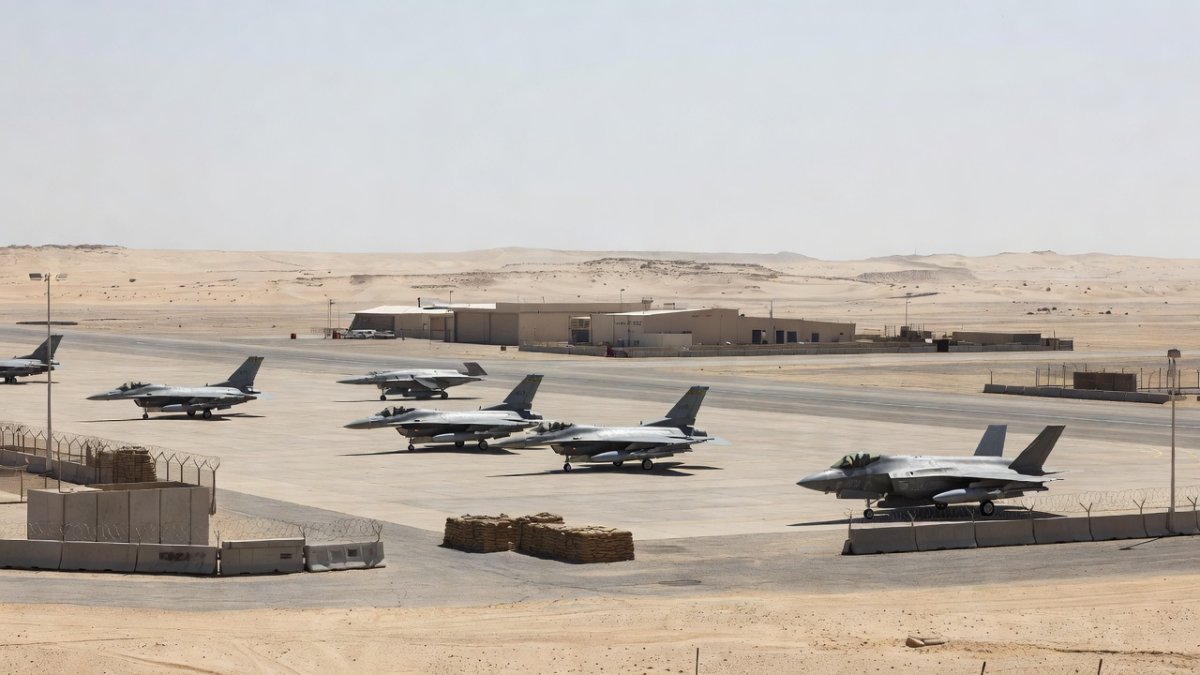
Video Analysis: US Military Releases Footage of New Strikes on Iran
Al Arabiya English has published footage released by the US military documenting the latest strikes. The visuals provide concrete evidence of the scale of operations now underway.
Outlook for Alliances and Stability
The current escalation risks drawing in additional actors and complicating Arab-Israeli normalization efforts. Gulf states must balance security cooperation with the United States against the danger of becoming direct targets. Turkey and other regional powers will watch closely for opportunities to expand influence. Absent a rapid return to de-escalation mechanisms, the 2026 Iran war threatens to reshape energy markets and security alignments across the Middle East for years to come.
By Malik Hassan, Staff WriterThis article was produced with AI-assisted research and editorial support. Reporting is based on sources cited in the article.
What's Your Reaction?
 Like
0
Like
0
 Dislike
0
Dislike
0
 Love
0
Love
0
 Funny
0
Funny
0
 Wow
0
Wow
0
 Sad
0
Sad
0
 Angry
0
Angry
0

Middle East Correspondent at Global1.News. Based in Beirut, covering politics, conflict, energy, and society across the Middle East. Brings context and depth to a region often reduced to headlines.










Comments (0)