
Can Turkiye Replace Norway as Malaysia's Naval Partner?
**Keywords:** Malaysia naval modernization, Türkiye defense exports, Norway NSM cancellation, South China Sea security, Turkish neo-Ottoman policy, Malaysia Türkiye partnership, Royal Malaysian Navy LCS, great power competition, Gulf state diversification, IRGC proxy networks Can Türkiye replace Norway as Malaysia's naval partner? The Norway-Malaysia Naval Missile Dispute Unfol
The Norway-Malaysia Naval Missile Dispute Unfolds
The cancellation of Norway's export license for the Naval Strike Missile system in early 2026 has exposed vulnerabilities in Malaysia's defense procurement strategy. Oslo revoked approval for the NSM missiles destined for the Royal Malaysian Navy's Littoral Combat Ships despite Malaysia having paid nearly 95 percent of the contract value. Norwegian officials cited updated export controls restricting sensitive technologies to closest allies. Malaysian leaders see this as a breach of trust that threatens both naval upgrades and the reliability of future agreements with European suppliers.
This episode highlights how political decisions in supplier nations can override signed contracts. Malaysia now seeks compensation while reassessing partners that combine technological capability with political predictability. The incident forces Kuala Lumpur to weigh long-term strategic trust against short-term hardware needs.
Malaysia's Pressing Maritime Security Challenges
The Royal Malaysian Navy faces ageing vessels, rising maintenance costs, and intensifying operational demands across the South China Sea, Strait of Malacca, and waters off eastern Sabah. Territorial disputes with China persist while smuggling and maritime intrusions require constant vigilance. Existing platforms struggle to meet requirements for networked, multi-role operations in contested environments.
The 13th Malaysia Plan offers a potential pathway to accelerate modernization. Yet success depends on selecting partners willing to deliver sustained support without abrupt political interruptions. Traditional suppliers such as the United States bring advanced systems but often attach high costs and conditionalities, while European options now carry demonstrated political risk.
Türkiye's Defense Transformation and Export Surge
Over the past decade Türkiye has shifted from heavy reliance on imports to becoming a major defense exporter. Turkish firms now produce corvettes, landing platform docks, unmanned surface vessels, and combat-proven drones such as the Bayraktar TB2. Defense exports reached record levels in 2025, with naval platforms forming a growing share of the portfolio.
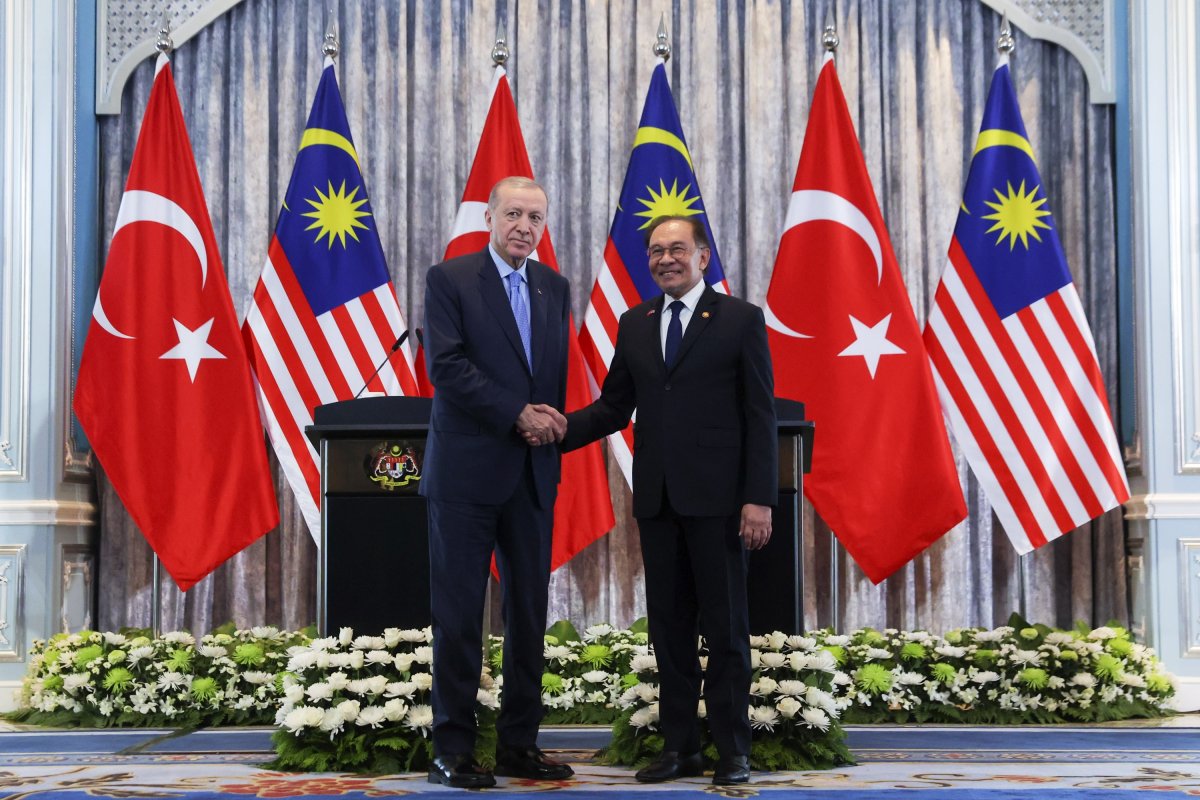
President Recep Tayyip Erdoğan's government has pursued this industrial transformation as part of a broader neo-Ottoman foreign policy aimed at expanding Turkish influence across the Middle East, Africa, and Southeast Asia. The approach emphasizes technology transfer and fewer political strings than those attached by Western suppliers. For Malaysia, these attributes address both capability gaps and reliability concerns exposed by the Norwegian decision.
Shared Interests in Multi-Aligned Foreign Policies
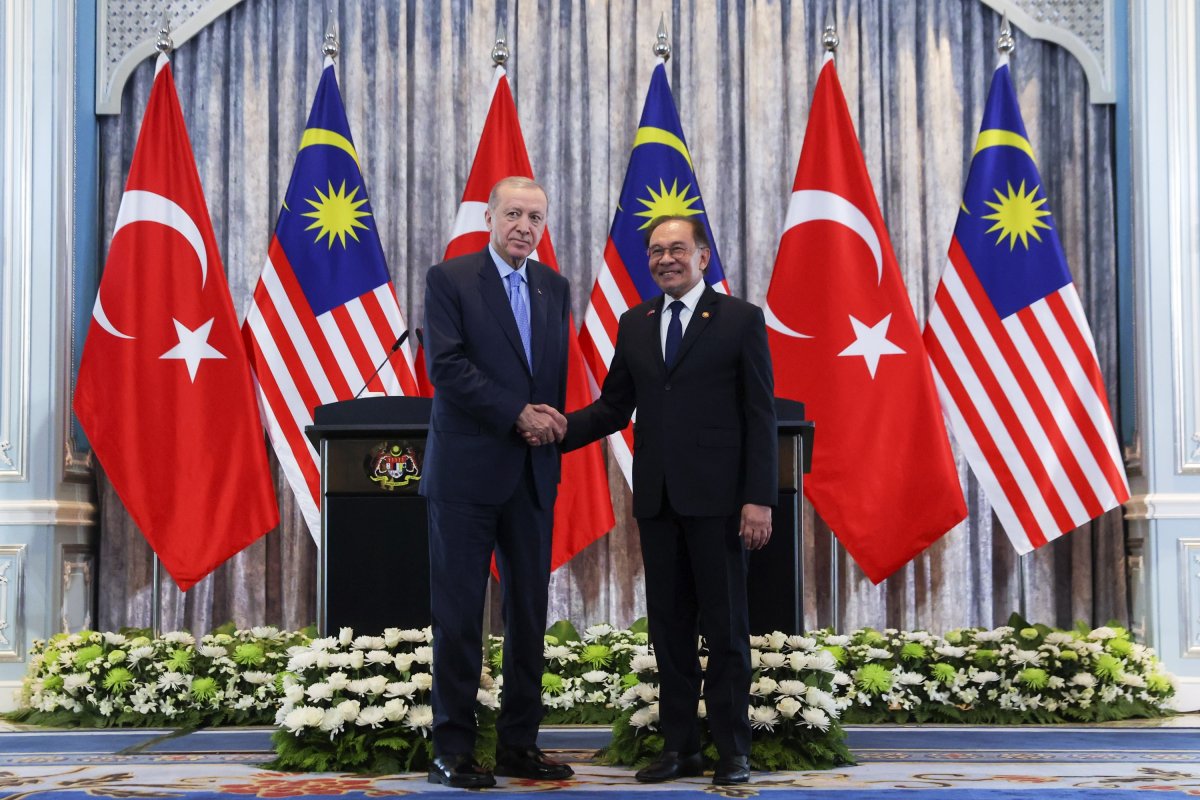
Malaysia and Türkiye share Muslim-majority identities and preferences for multi-aligned diplomacy that avoids exclusive dependence on any single power bloc. Joint naval exercises and defense industrial cooperation agreements signed in recent years have already strengthened ties. Both nations seek to preserve open sea lanes while navigating great power competition involving the United States, China, and Russia.
Turkish willingness to integrate systems into diverse naval architectures offers practical advantages for Malaysia's mixed fleet of Western, European, and other platforms. Interoperability becomes a strategic necessity rather than a technical afterthought when operating across the Strait of Malacca and South China Sea.
Geopolitical Ramifications in Great Power Competition
Norway's move reflects wider trends where export controls tighten amid intensifying global rivalries. Malaysia must now consider how partner choices affect its position between Chinese assertiveness in the South China Sea and American efforts to build regional coalitions. Türkiye's independent stance, including its balancing act between NATO obligations and outreach to Gulf states such as Saudi Arabia and Qatar, provides Malaysia with an alternative that reduces exposure to abrupt policy shifts from traditional suppliers.
Second-order effects could influence energy market stability and ASEAN cohesion. A deeper Malaysia-Türkiye naval partnership might encourage other Southeast Asian states to diversify away from European sources while prompting Gulf states engaged in Vision 2030-style diversification to study Turkish models of indigenous defense production.
Strategic Outlook for Malaysia-Türkiye Partnership
The question of replacing Norway extends beyond a single missile system. It concerns whether Malaysia can secure a partner offering combat-proven technology, reliable sustainment, and alignment on maritime security priorities. Türkiye's track record in operational theaters and its growing presence in Southeast Asian defense markets make it a compelling option. Success will hinge on concrete technology transfer agreements and sustained high-level engagement between Kuala Lumpur and Ankara. In an era of unpredictable alliances, such a partnership could reshape Malaysia's naval posture for decades while illustrating how Middle Eastern defense exporters are extending influence into the Indo-Pacific.
By Malik Hassan, Staff WriterThis article was produced with AI-assisted research and editorial support. Reporting is based on sources cited in the article.
What's Your Reaction?
 Like
0
Like
0
 Dislike
0
Dislike
0
 Love
0
Love
0
 Funny
0
Funny
0
 Wow
0
Wow
0
 Sad
0
Sad
0
 Angry
0
Angry
0

Middle East Correspondent at Global1.News. Based in Beirut, covering politics, conflict, energy, and society across the Middle East. Brings context and depth to a region often reduced to headlines.












Comments (0)