
Mumbai Heatwave 2026: Versova Beach Crisis & Delayed Monsoon
Mumbai recorded a searing 36 degrees Celsius on June 19, 2026 — 4.5 degrees above normal — as a delayed monsoon and relentless humidity forced hundreds of slum residents to sleep on Versova Beach at night. With India's Core Heatwave Zone expanding and wet-bulb temperatures approaching physiological survival limits, the crisis exposes deepening gaps in the country's heat action
Mumbai recorded a searing 36 degrees Celsius on June 19, 2026 — 4.5 degrees above normal — as a delayed monsoon and relentless humidity forced hundreds of slum residents to sleep on Versova Beach at night. With India's Core Heatwave Zone expanding and wet-bulb temperatures approaching physiological survival limits, the crisis exposes deepening gaps in the country's heat action plans, power infrastructure, and urban healthcare preparedness.
Mumbai Heatwave 2026: Versova Beach, Delayed Monsoon, and India's Growing Heat Health Emergency
Mumbai, Maharashtra - June 19, 2026 —
Mumbai Heatwave 2026: Record Temperatures and a Delayed Monsoon
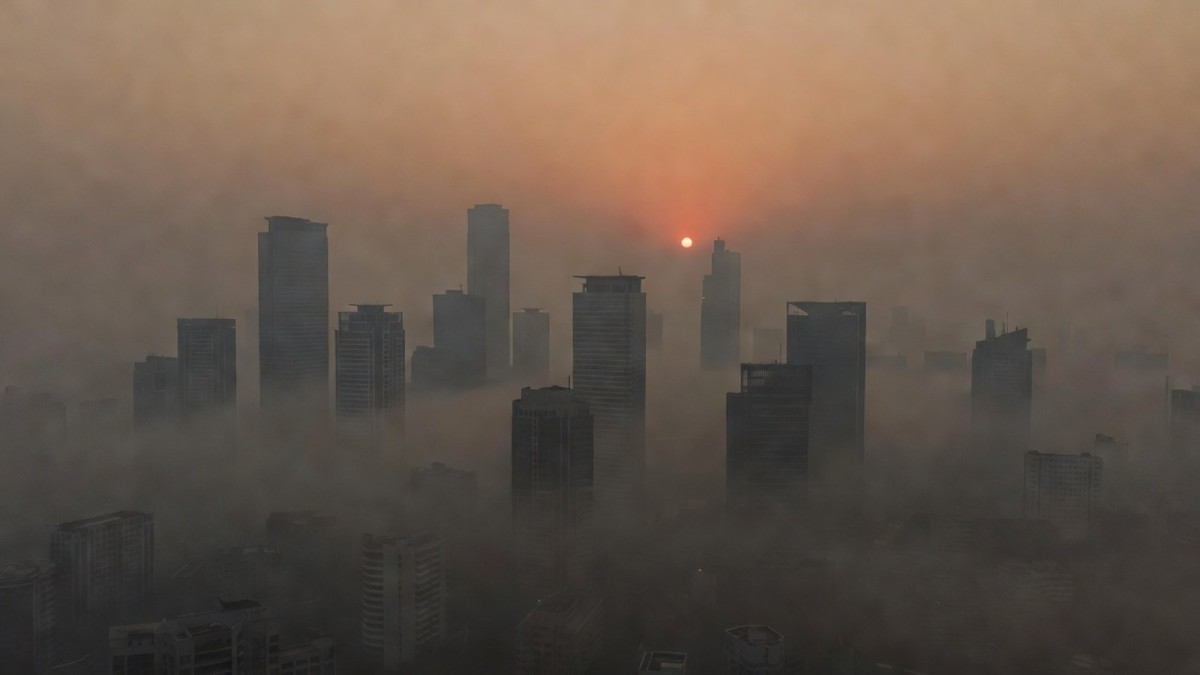
Mumbai recorded a scorching 36 degrees Celsius on June 19 2026 which stood 4.5 degrees above the seasonal normal according to India Meteorological Department observations and this anomaly triggered immediate hot-humid warnings across multiple Maharashtra districts including Thane Palghar and Raigad where humidity levels pushed the heat index well beyond 45 degrees Celsius. The Indian Meteorological Department had already issued color-coded alerts emphasizing that the southwest monsoon normally reaches the Kerala coast by June 10 yet remained conspicuously absent on June 19 leaving central and western India under persistent high-pressure systems that blocked moisture-laden winds. Forecasts released by IMD in early June projected below-normal rainfall for the season with a 60 percent probability of deficient precipitation in the core monsoon zone stretching from Rajasthan through Madhya Pradesh into Maharashtra. In Akola temperatures soared to 46.9 degrees Celsius marking one of the highest readings globally during May 2026 while cities such as Nagpur Chandrapur and Solapur also featured prominently on international heat rankings compiled by the World Meteorological Organization. The Core Heatwave Zone originally identified by the National Disaster Management Authority in 2016 has expanded northward and eastward incorporating additional districts in Vidarbha and Marathwada where the frequency of heatwave days has risen from an average of three per year in the 1960s to more than eight per year since 2010. Duration of consecutive heatwave spells has lengthened from two days to five or six days in recent decades reflecting broader shifts in atmospheric circulation patterns linked to anthropogenic warming. Urban centers like Mumbai experience compounded effects because of the urban heat island phenomenon where concrete infrastructure retains daytime heat and releases it slowly at night preventing natural cooling. Public health advisories from the state health department urged residents to avoid outdoor activity between 11 a.m. and 4 p.m. while municipal corporations activated emergency water distribution points along major commuter routes. Agricultural communities in drought-prone talukas of Ahmednagar and Beed reported early crop wilting due to soil moisture deficits that normally would have been replenished by pre-monsoon showers. The combination of record temperatures delayed monsoon onset and expanding heatwave geography underscores an escalating climate health emergency that Indian policymakers must address through updated early-warning systems and inter-state coordination mechanisms managed by the Ministry of Earth Sciences.

Versova Beach: A Climate Refuge and a Public Health Warning
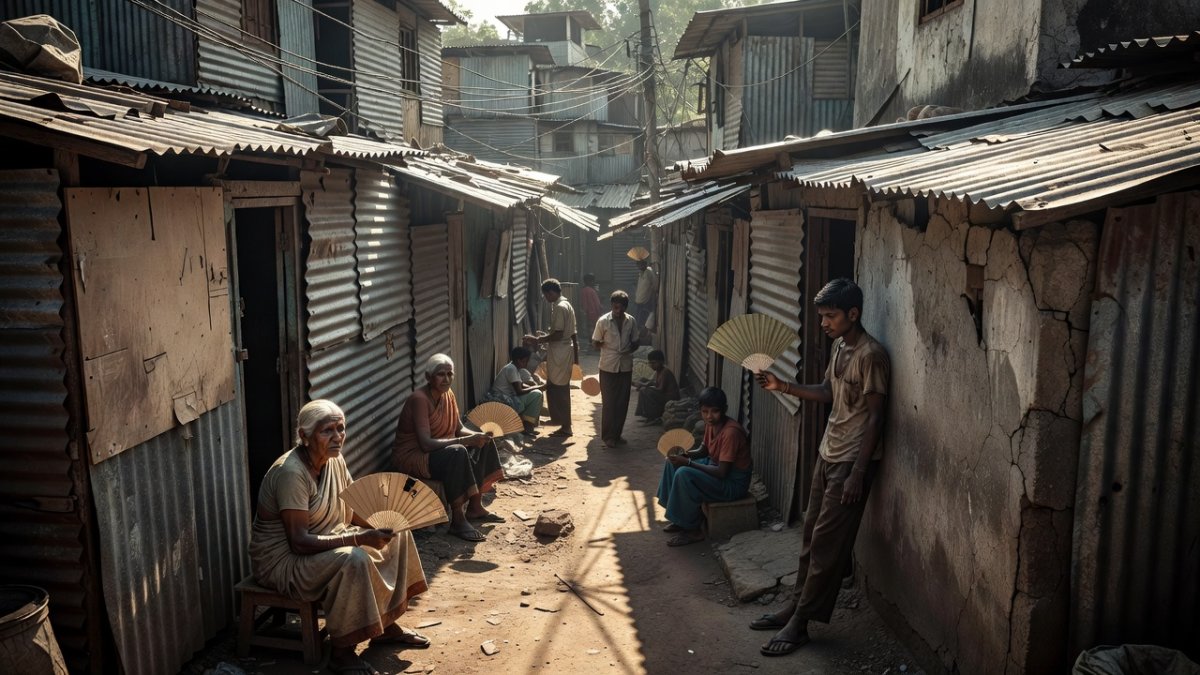
Residents of informal settlements near Versova shoreline in Mumbai have resorted to sleeping on the beach at night to escape indoor temperatures that remain above 34 degrees Celsius even after sunset because their densely packed one-room homes lack cross-ventilation and feature tin roofs that absorb and radiate heat throughout the night. The Brihanmumbai Municipal Corporation has documented that more than 120,000 people live in these Versova-adjacent slums where narrow lanes prevent airflow and frequent power outages lasting four to six hours eliminate any possibility of using ceiling fans or air coolers. Urban heat island effects documented by the Indian Institute of Tropical Meteorology magnify nighttime temperatures by an additional two to three degrees Celsius compared with rural coastal areas creating a chronic thermal stress environment that disproportionately affects daily wage laborers construction workers and domestic helpers who cannot afford alternative housing. The BMC response has included deployment of mobile medical vans offering oral rehydration salts and basic heatstroke screening yet these measures remain reactive rather than preventive because permanent cooling shelters have not been established despite repeated recommendations from the Maharashtra State Disaster Management Authority. Social and economic dimensions reveal that women and children bear the heaviest burden as they spend extended hours indoors managing household chores without access to refrigeration for medicines or safe drinking water while men often work night shifts in unventilated factories that compound daytime heat exposure. Economic losses from reduced productivity have been estimated by the Tata Institute of Social Sciences at 12 percent of daily earnings for households dependent on informal sector jobs during peak heat periods. Community leaders have petitioned the municipal corporation for installation of misting systems and shaded community spaces along the beachfront yet bureaucratic delays persist amid competing priorities for flood mitigation infrastructure ahead of the anticipated monsoon. This situation at Versova beach illustrates how climate change intersects with existing inequalities in Indian cities where the urban poor lack the adaptive capacity available to middle-class residents who can retreat to air-conditioned apartments or travel to hill stations during extreme weather events.
The Health Toll: Heatstroke, Dehydration, and Cardiovascular Risk
Telangana recorded 16 confirmed heat-related deaths across seven districts during May 2026 when daytime temperatures consistently exceeded 44 degrees Celsius prompting the state health department to activate heatstroke wards in district hospitals equipped with ice packs and intravenous fluid stations. Wet-bulb temperatures in parts of coastal Andhra Pradesh and interior Maharashtra approached 31 degrees Celsius nearing the physiological survival threshold beyond which the human body cannot cool itself through perspiration leading to rapid onset of heatstroke characterized by core body temperatures above 40 degrees Celsius confusion seizures and multi-organ failure. Symptoms of dehydration including dizziness muscle cramps and dark urine have surged in outpatient departments of government hospitals in Mumbai Pune and Nagpur with the Indian Council of Medical Research reporting a 40 percent increase in heat-related admissions compared with the same period in 2023. Cardiovascular strain is particularly acute among elderly residents and young children whose thermoregulatory systems are less efficient resulting in elevated rates of myocardial infarction and stroke during prolonged heat episodes. India’s healthcare system remains inadequately prepared for potential mass casualty events because most primary health centers lack dedicated heat illness protocols or sufficient stocks of intravenous saline and cooling equipment while referral pathways to tertiary centers become overwhelmed during simultaneous outbreaks across multiple states. Vulnerable populations residing in informal settlements face compounded risks due to pre-existing conditions such as diabetes hypertension and chronic kidney disease that are exacerbated by fluid loss and electrolyte imbalance. The National Programme for Climate Change and Human Health under the Ministry of Health and Family Welfare has issued guidelines for surveillance yet implementation varies widely across states with Maharashtra lagging behind Gujarat and Odisha in real-time reporting of heat morbidity. Long-term consequences include permanent neurological damage among survivors of severe heatstroke and increased susceptibility to future heat events underscoring the urgent need for integrated public health strategies that combine meteorological forecasting with community-level outreach and hospital capacity building.
Power Grids Under Pressure: Maharashtra's Energy Crisis
Surging power demand across Maharashtra during the 2026 heatwave pushed the state grid to record peaks exceeding 28,000 megawatts as households and commercial establishments ran air conditioners and coolers continuously to mitigate indoor temperatures above 35 degrees Celsius. The Maharashtra State Electricity Distribution Company Limited reported frequent load shedding in suburban Mumbai and rural districts because transmission infrastructure built decades ago cannot accommodate simultaneous residential and industrial demand spikes. Unreliable supply lasting six to eight hours daily compounds the health crisis by disabling fans cooling devices and refrigeration units needed to store insulin and other temperature-sensitive medicines leading to spoilage and treatment interruptions for diabetic and hypertensive patients. Industrial zones in Thane-Belapur and Pune compete directly with residential consumers for limited power allocation forcing factories to curtail operations and lay off contract workers during peak afternoon hours. Infrastructure investment gaps remain evident despite the central government’s Revamped Distribution Sector Scheme allocating thousands of crores for smart metering and feeder separation because implementation in Maharashtra has been slowed by land acquisition disputes and contractor delays. Comparisons with neighboring states such as Gujarat which has invested heavily in decentralized solar microgrids reveal that Maharashtra’s centralized coal-dependent model leaves it more vulnerable to cascading failures during extreme weather. The resulting energy crisis forces low-income families to choose between purchasing expensive diesel generator fuel or enduring heat exposure that elevates risks of heatstroke and dehydration. Policy analysts at the Prayas Energy Group have recommended accelerated deployment of rooftop solar combined with battery storage to reduce peak demand pressure yet regulatory hurdles and high upfront costs continue to limit adoption among slum households. This energy-health nexus demonstrates how climate-driven heatwaves expose systemic weaknesses in India’s power sector that require coordinated action between the Ministry of Power and state utilities to ensure equitable access to cooling as a basic public health necessity.
Heat Action Plans: From Ahmedabad's Pioneer Model to National Implementation Gaps
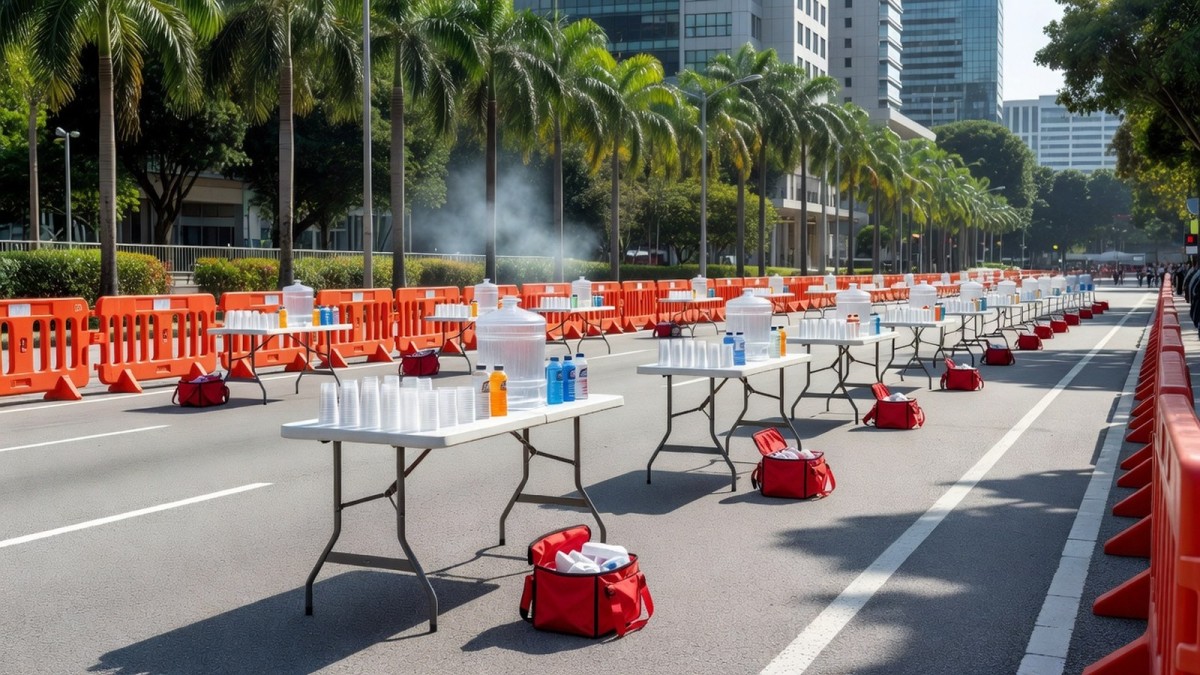
Ahmedabad pioneered India’s first Heat Action Plan in 2013 following the 2010 heatwave that killed more than 1,300 people prompting the Ahmedabad Municipal Corporation to establish early-warning systems public awareness campaigns and designated cooling centers in community halls and temples. The plan’s success in reducing heat-related mortality by nearly 40 percent inspired the National Disaster Management Authority to issue national guidelines in 2016 encouraging all states to develop similar frameworks yet only 23 states have operational plans as of 2026 with significant variation in quality and coverage. The Brihanmumbai Municipal Corporation faces mounting pressure to establish permanent cooling centers equipped with water misting stations and medical staff after repeated heat-related incidents in Versova and Dharavi yet budgetary allocations remain insufficient for year-round operation. Implementation gaps at the municipal level include inadequate inter-departmental coordination between health engineering and disaster management wings as well as limited community engagement that leaves migrant workers unaware of available services. Successful elements from Ahmedabad’s model such as color-coded alerts disseminated through SMS and local radio have been replicated in Odisha and Telangana but Maharashtra’s version lacks robust evaluation mechanisms to measure reductions in morbidity. The National Disaster Management Authority continues to advocate for integration of heat action plans into urban development master plans yet municipal bodies often prioritize flood control and road infrastructure over heat mitigation. What works includes targeted outreach to construction sites and schools while what fails involves top-down directives without local adaptation or sustained funding. Strengthening these plans requires legislative backing through amendments to the Disaster Management Act 2005 and dedicated budget lines under the National Health Mission to transform heat governance from episodic response to sustained public health infrastructure across Indian cities.
Climate Drivers: El Niño, Monsoon Blocking, and India's Warming Trajectory
El Niño conditions in the Pacific Ocean combined with anomalous high-pressure systems over the Bay of Bengal have blocked the normal northward progression of the monsoon trough during June 2026 resulting in deficient rainfall across the western coast and central India. Projections from the Indian Institute of Tropical Meteorology indicate that 2026 could rank among the five hottest years on record for the country with mean temperatures elevated by 0.8 degrees Celsius above the 1981-2010 baseline. The Core Heatwave Zone encompassing Rajasthan Madhya Pradesh and Maharashtra continues to experience the most pronounced increases in both frequency and intensity of extreme heat events. Rising humidity levels associated with warming oceans amplify the danger through the wet-bulb effect where combined temperature and moisture prevent effective evaporative cooling pushing physiological stress beyond human tolerance limits in densely populated urban corridors. The sequence of severe heatwaves from 2024 through 2026 signals a potential climate tipping point where feedback loops involving land-atmosphere interactions accelerate warming trends beyond previous model predictions. India’s vulnerability as a tropical nation with more than 1.4 billion residents many living in poorly ventilated housing and working in outdoor occupations places it at the forefront of global heat-health challenges. The Ministry of Environment Forest and Climate Change has updated national adaptation plans to include heat-specific components yet funding remains fragmented across multiple schemes. International collaboration through the Global Heat Health Information Network offers technical support for improved forecasting yet domestic capacity for downscaled climate projections at city level remains limited. Addressing these drivers requires accelerated decarbonization under India’s updated Nationally Determined Contributions alongside nature-based solutions such as large-scale urban afforestation to moderate local temperatures and restore monsoon dynamics over the coming decades.

The Bottom Line: Protecting India's Urban Poor from a Chronic Heat Threat
The disproportionate burden of the 2026 heatwave falls on India’s urban poor who lack access to reliable electricity air conditioning or shaded public spaces and therefore experience elevated rates of heat-related illness and economic disruption. Heat must be treated as a chronic public health threat rather than an episodic emergency requiring year-round surveillance integration into primary healthcare and sustained investment in adaptive infrastructure. Policy recommendations include guaranteeing reliable 24-hour power supply to informal settlements through targeted subsidies for solar-powered community cooling hubs establishing mandatory ventilation and insulation standards for new informal housing under the Pradhan Mantri Awas Yojana and expanding urban greening initiatives such as the Nagar Van Yojana to create pocket forests that lower ambient temperatures by two to four degrees Celsius. Healthcare systems must incorporate standardized heat illness protocols including rapid cooling pathways and follow-up care for cardiovascular complications into the National Programme for Prevention and Control of Non-Communicable Diseases. Forward-looking measures also encompass heat-resilient urban planning that prioritizes cool roofs reflective pavements and shaded pedestrian pathways in municipal development plans. International examples from Singapore and Australia demonstrate that proactive governance can reduce heat mortality by more than half when combined with community education and early-warning systems. India’s path forward demands convergence between the Ministry of Housing and Urban Affairs the Ministry of Health and Family Welfare and state disaster management authorities to ensure that the most vulnerable citizens are protected from escalating climate threats. Without decisive action the recurring cycle of heatwaves will continue to claim lives erode productivity and widen existing inequalities across Indian cities.
— By Dr. Raj Patel, Staff Writer
This article was produced with AI-assisted research and editorial support. Reporting is based on sources cited in the article.
What's Your Reaction?
 Like
0
Like
0
 Dislike
0
Dislike
0
 Love
0
Love
0
 Funny
0
Funny
0
 Wow
0
Wow
0
 Sad
0
Sad
0
 Angry
0
Angry
0

India/South Asia Correspondent at Global1.News. Analytical voice with a background in science and health journalism. Based in New Delhi, covering Indian politics, education, healthcare, technology, and policy. Breaks down complex data into clear, actionable reporting.











Comments (0)