
CBSE Class 10 Second Board Result 2026: Student Mental Health Analysis
The Weight of Anticipation: 6.8 Lakh Students and Result Season Stress Approximately 6.8 lakh students who sat for the CBSE Class 10 second board and improvement examinations between May 15 and May 21, 2026, now await results scheduled for release between June 21 and 27. These examinations, conducted across more than 27,000 affiliated schools in India and 240 schools in 28 fore

The Weight of Anticipation: 6.8 Lakh Students and Result Season Stress
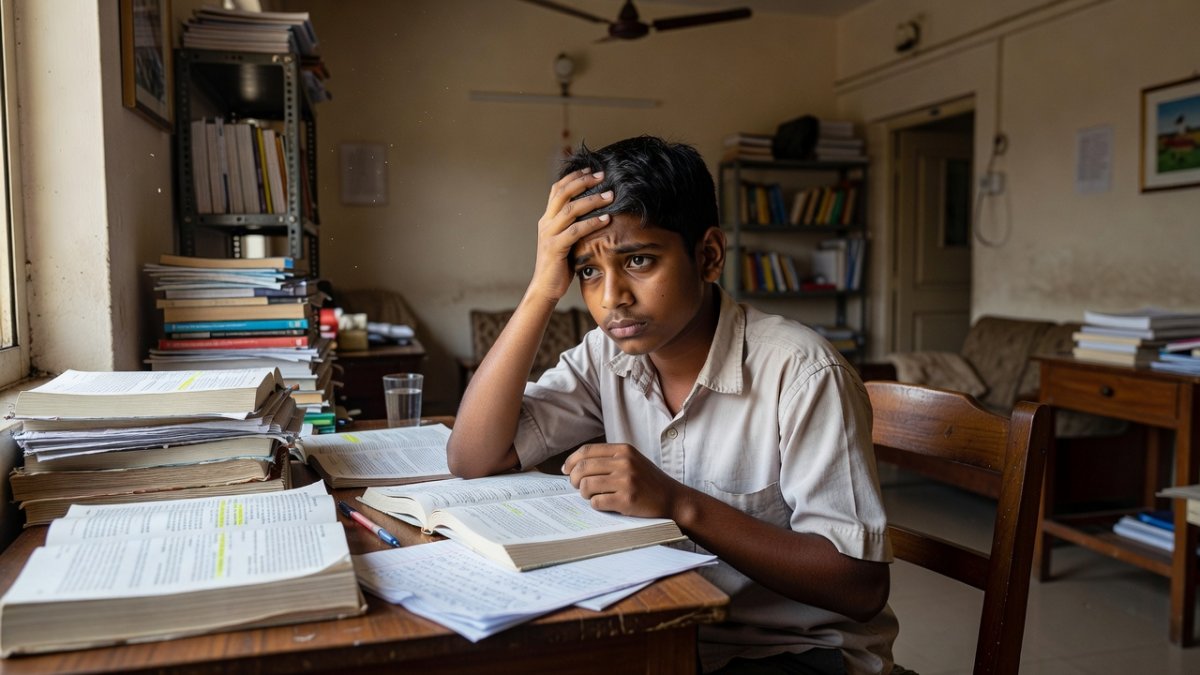
Approximately 6.8 lakh students who sat for the CBSE Class 10 second board and improvement examinations between May 15 and May 21, 2026, now await results scheduled for release between June 21 and 27. These examinations, conducted across more than 27,000 affiliated schools in India and 240 schools in 28 foreign countries, represent a critical juncture for adolescents aged 15-16. In the context of India's examination-driven education system, the period leading to result announcements often triggers measurable spikes in anxiety and sleep disturbances, as documented in adolescent mental health studies from institutions in New Delhi.
Adolescent Mental Health Under Examination Pressure
Board examinations impose sustained psychological demands on 15-16 year olds, with minimum passing thresholds set at 33% in each subject. Research links prolonged uncertainty during result waiting periods to elevated cortisol levels, reduced academic motivation, and increased risk of depressive symptoms. With roughly 45 lakh students participating in all CBSE examinations in 2026, the subset of 6.8 lakh improvement candidates faces compounded stress from prior performance shortfalls. This pattern reflects broader trends in Indian secondary education, where high-stakes testing intersects with limited school-based counselling infrastructure across 28 states and union territories.
Systemic Health Implications of India's Board Examination Framework
India's centralised examination model, overseen by the Ministry of Education and supported by NCERT curricula, prioritises performance metrics that can overshadow holistic development. For the 6.8 lakh students checking results via official portals, the psychological impact extends beyond individual scores to family expectations and future academic streaming. Data indicate that repeated examination cycles correlate with higher rates of burnout among urban and semi-urban adolescents, underscoring the need for integrated mental health protocols within the CBSE ecosystem.
Digital Platforms as Anxiety-Reduction Tools
CBSE has streamlined result dissemination through cbse.gov.in, cbse.nic.in, DigiLocker at digilocker.gov.in, and the UMANG app. These platforms enable instant, paperless access, thereby shortening the period of uncertainty that exacerbates examination-related stress. By integrating with Aadhaar-linked accounts, DigiLocker and UMANG reduce logistical friction for families in remote districts, offering a measurable public-health benefit through decreased anticipatory anxiety. This technological intervention aligns with national digital education initiatives aimed at supporting adolescent well-being during result cycles.
Evidence-Based Coping Approaches for Students and Families
Health authorities recommend structured routines, peer support networks, and access to school counsellors in the weeks preceding result announcements. Parents are advised to frame outcomes as one data point rather than definitive measures of capability. For the cohort of 6.8 lakh students, proactive engagement with mental health resources—such as helplines promoted by state education departments—can mitigate acute stress responses. Longitudinal studies suggest that such interventions improve resilience and academic persistence in subsequent years.
Policy Directions for Healthier Examination Ecosystems
The 2026 examination cycle highlights opportunities for reform, including expanded mental health screening within CBSE-affiliated schools and integration of stress-management modules into the standard curriculum. As results approach between June 21 and 27, coordinated efforts by the Ministry of Education, CBSE, and health agencies could establish benchmarks for student well-being alongside academic performance. Such measures would address the documented health burden on India's adolescent population while maintaining the integrity of the national examination system.
— By Dr. Raj Patel, Staff WriterThis article was produced with AI-assisted research and editorial support. Reporting is based on sources cited in the article.
What's Your Reaction?
 Like
0
Like
0
 Dislike
0
Dislike
0
 Love
0
Love
0
 Funny
0
Funny
0
 Wow
0
Wow
0
 Sad
0
Sad
0
 Angry
0
Angry
0

India/South Asia Correspondent at Global1.News. Analytical voice with a background in science and health journalism. Based in New Delhi, covering Indian politics, education, healthcare, technology, and policy. Breaks down complex data into clear, actionable reporting.











Comments (0)