
Tragedy at Ponte do Esqueleto — The Fatal Risks of Unregulated Extreme Sports in Brazil
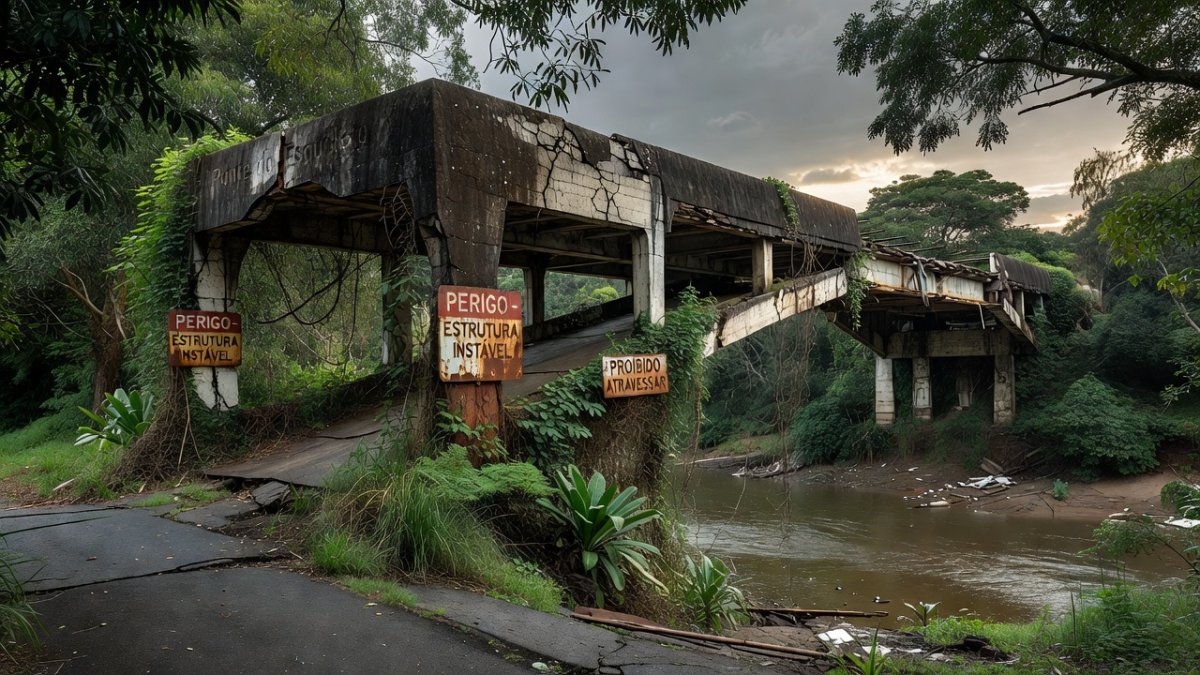
The Fatal Jump at Ponte do Esqueleto Maria Eduarda Rodrigues de Freitas, 21, died after instructors failed to attach a rope before helping her jump from an abandoned bridge in São Paulo state. The incident occurred on Saturday at Ponte do Esqueleto on the border of Limeira and Cordeirópolis. Footage that circulated over the weekend showed her being carried to the edge before be
The Fatal Jump at Ponte do Esqueleto
Maria Eduarda Rodrigues de Freitas, 21, died after instructors failed to attach a rope before helping her jump from an abandoned bridge in São Paulo state. The incident occurred on Saturday at Ponte do Esqueleto on the border of Limeira and Cordeirópolis. Footage that circulated over the weekend showed her being carried to the edge before being released, resulting in a 40m fall. Emergency services pronounced her dead at the scene.
Rope-jumping differs from bungee jumping because it relies on low-stretch climbing ropes that turn the descent into a horizontal pendulum swing. Local reports indicate the activity took place without proper safety attachments in place. The bridge has stood abandoned for years under federal responsibility.
Details of the Location and Event Setup
Ponte do Esqueleto sits in the interior of São Paulo state, spanning the boundary between the municipalities of Limeira and Cordeirópolis. The structure falls under the authority of Brazil's federal government through the Secretariat of Federal Assets. The City Hall of Limeira has stated it had already been pursuing administrative measures to address the site's condition prior to the accident.
Participants arrived at the site for a rope-jumping session organized by individuals later identified as belonging to a private company or informal practitioner groups. No federal safety barriers or access restrictions were actively enforced at the time, allowing the activity to proceed on the disused infrastructure.
Arrests and Ongoing Police Investigation
Three men have been taken into custody in connection with the death. Authorities are examining whether the individuals face charges of homicide with eventual intent, a classification applied when a person does not intend to kill but accepts the risk of death occurring. Investigators continue to review witness statements, video evidence, and the operational practices of the group involved.
Police inquiries focus on the decision to proceed with the jump without securing the rope and on the broader question of whether adequate risk assessments were performed. The case remains active as officials determine the precise sequence of events leading to the fall.
Federal and Local Government Responses
Brazil's Secretariat of Federal Assets issued a statement confirming it stands ready to assist investigators. The agency noted its willingness to cooperate fully with inquiries into the management of the bridge. Meanwhile, the City Hall of Limeira announced plans to file a lawsuit against the federal government, citing inadequate oversight of the abandoned structure.
Local officials emphasized that repeated demands for federal action on the site had gone unaddressed in recent periods. The bridge's status as federal property places primary maintenance and security duties at the national level, creating friction with municipal efforts to secure the area.
The Growth of Unregulated Extreme Sports in Brazil
Rope-jumping has gained followers across Brazil as an alternative to more established adventure activities. In São Paulo state and neighboring regions, informal gatherings and small commercial operations have expanded in recent years, often using disused infrastructure such as bridges and viaducts. Many of these sites lack formal permits or safety certifications.
Participants and organizers frequently operate outside established regulatory frameworks that govern licensed adventure tourism. Reports from interior São Paulo municipalities indicate growing numbers of such events on abandoned federal or state properties where oversight remains limited. This pattern raises questions about enforcement capacity at both state and federal levels.
Calls for Stronger Safety Regulations and Oversight
The tragedy has prompted renewed discussion among local authorities in Limeira and Cordeirópolis about the need for clearer rules governing extreme sports on public infrastructure. Municipal leaders argue that federal agencies must implement stricter access controls and regular inspections of abandoned assets to prevent similar incidents.
Advocates for regulatory reform point to the absence of mandatory licensing for rope-jumping operations and the lack of standardized safety protocols as contributing factors. Discussions in São Paulo state legislative circles have begun to explore potential legislation that would require permits, insurance, and equipment checks for such activities, though no specific measures have advanced to implementation at this stage.
Community members in the affected region have expressed concern over the continued accessibility of hazardous sites. They note that the combination of federal ownership and limited local enforcement has left gaps that informal operators can exploit. Further investigations are expected to clarify responsibilities and may influence future policy adjustments regarding abandoned infrastructure across Brazil.
By Elena Vasquez, Staff WriterThis article was produced with AI-assisted research and editorial support. Reporting is based on sources cited in the article.
What's Your Reaction?
 Like
0
Like
0
 Dislike
0
Dislike
0
 Love
0
Love
0
 Funny
0
Funny
0
 Wow
0
Wow
0
 Sad
0
Sad
0
 Angry
0
Angry
0

Latin America Correspondent at Global1.News. Based in Mexico City, covering politics, economics, energy, and culture across the region. Brings an on-the-ground perspective to stories spanning from the Rio Grande to Patagonia.














Comments (0)