
Lee Jae-myung's European Tour: Digital Trade, Defense Cooperation, and G7 Diplomacy Reshape Korea's Partnerships
President Lee Jae-myung embarked on a ten-day European tour on 9 June 2026, his first visit to the continent since taking office, producing a Digital Trade Agreement and Green Partnership with the European Union while advancing technology and defense cooperation with Italy ahead of the G7 summit in France. The itinerary, spanning Brussels, Rome, Vatican City, and Évian-les-Bain
President Lee Jae-myung embarked on a ten-day European tour on 9 June 2026, his first visit to the continent since taking office, producing a Digital Trade Agreement and Green Partnership with the European Union while advancing technology and defense cooperation with Italy ahead of the G7 summit in France. The itinerary, spanning Brussels, Rome, Vatican City, and Évian-les-Bains, represents the most consequential sequence of Korean summit diplomacy since President Lee's inauguration in June 2025 and marks a deliberate effort to rebalance Seoul's diplomatic portfolio at a time of heightened geopolitical competition between the United States and China.
Lee Jae-myung's European Tour: Digital Trade, Defense Cooperation, and G7 Diplomacy Reshape Korea's European Partnerships
Seoul, South Korea — 11 June 2026 — President Lee Jae-myung is navigating a carefully sequenced diplomatic itinerary that reflects the strategic priorities of his administration: securing supply-chain resilience, deepening technology partnerships, and maintaining a unified front against North Korean nuclear ambitions. The tour comes at a moment when South Korea's traditional reliance on the US alliance and China trade is being tested by global supply-chain realignments and Washington's intensifying technology competition with Beijing, making European partnerships increasingly valuable as a third pillar of Korean foreign policy.
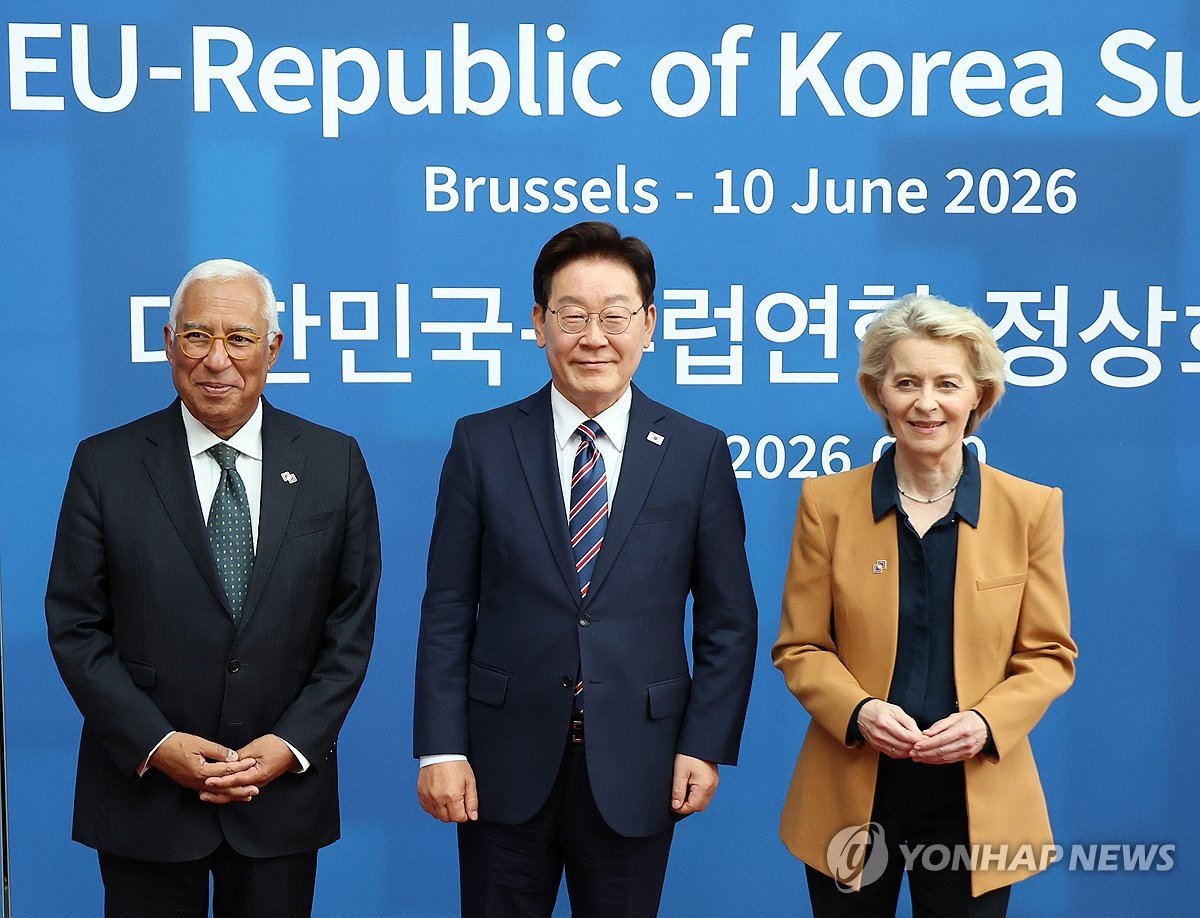
EU-Republic of Korea Summit: Digital Trade and Green Partnership
The centerpiece of the Brussels leg was the 11th EU-Republic of Korea Summit on 10 June, where President Lee met with European Council President Antonio Costa and European Commission President Ursula von der Leyen. The summit produced two framework agreements designed to modernise the bilateral economic relationship, which already ranks as one of the EU's most significant Asian partnerships — two-way trade between South Korea and the EU reached approximately €124 billion in 2025.
A Digital Trade Agreement (DTA) was signed, establishing rules for cross-border data flows, electronic commerce, and digital services. This agreement updates the 2011 EU-Korea Free Trade Agreement for the digital economy, addressing issues such as data localisation, digital authentication, and artificial intelligence governance that were not contemplated when the original FTA was negotiated. For Korean technology firms — particularly Samsung Electronics, SK Hynix, and Naver — the DTA provides regulatory predictability in the European market, which has been developing its own comprehensive digital regulatory framework through the Digital Services Act and the AI Act.
The EU and South Korea also launched the EU-Republic of Korea Green Partnership, targeting cooperation on decarbonisation technologies, critical minerals for battery production, and joint climate research. South Korea is the world's fifth-largest importer of critical minerals and a major producer of lithium-ion batteries, making the Green Partnership strategically important for securing supply chains that both Brussels and Seoul have identified as vulnerable to geopolitical disruption. The partnership will establish working groups on clean energy, circular economy, and sustainable finance, with an initial work programme expected to be adopted before the end of 2026.
Both sides issued a joint statement reaffirming that North Korea will "never" be recognised as a nuclear-weapon state. The statement directly condemned military cooperation between Pyongyang and Moscow, calling it illegal and a factor enabling Russia to continue its war in Ukraine. The language echoes the joint communiqué issued after the US-Japan trilateral meeting in Tokyo earlier this week, underscoring a coordinated trans-Indo-Pacific diplomatic posture toward North Korea's weapons programmes. South Korean Ministry of Foreign Affairs officials characterised the EU's alignment on this position as diplomatically significant, given that the EU maintains diplomatic relations with North Korea and operates a delegation in Pyongyang.
Belgium Bilateral Engagements
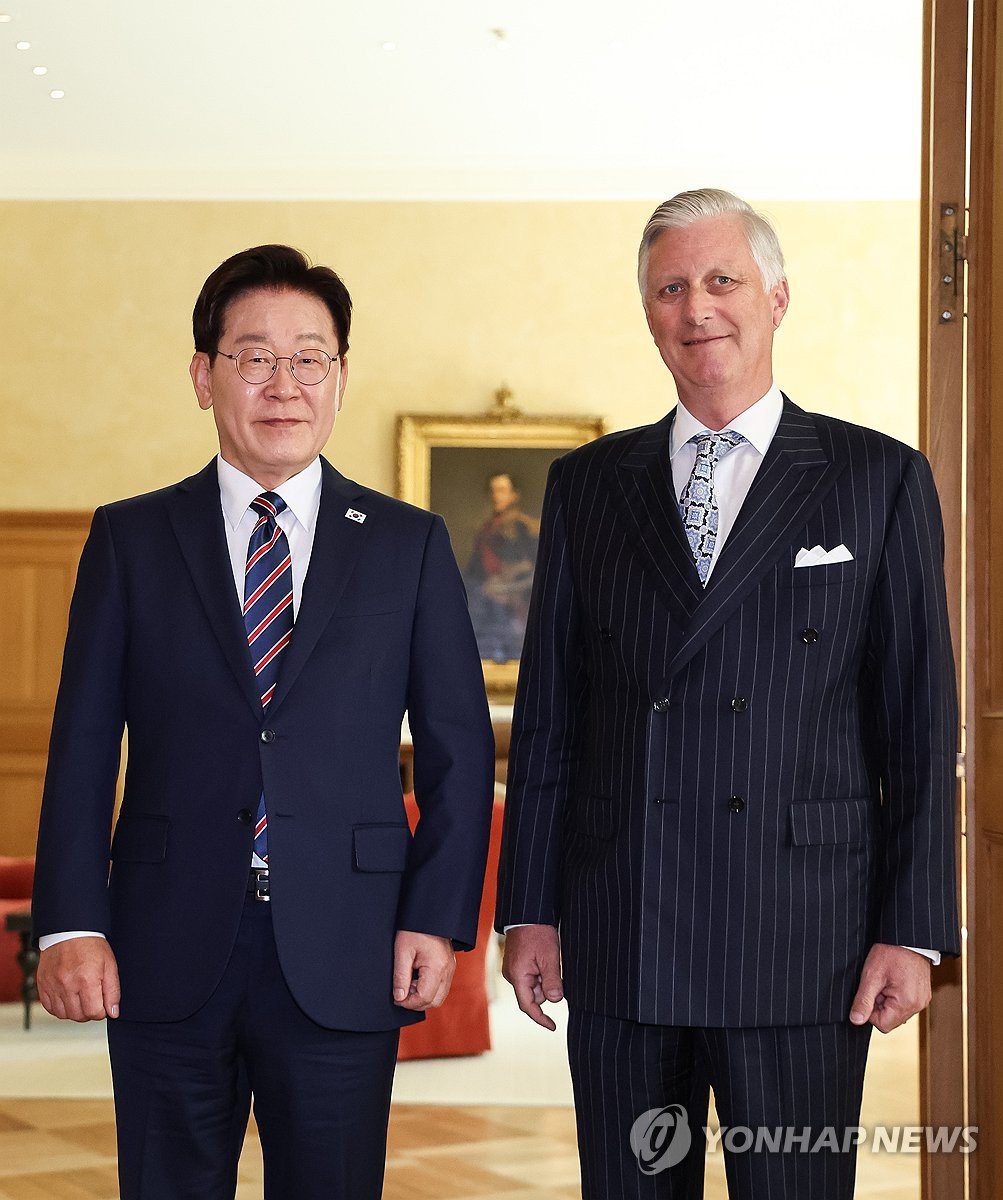
Prior to the EU summit, President Lee held separate bilateral talks with Belgian Prime Minister Bart De Wever and met King Philippe at the Château de Laeken, the Belgian monarch's official residence. Discussions centered on semiconductor supply chains — Belgium is home to IMEC, one of the world's leading nanoelectronics research centers — nuclear energy cooperation, and cultural exchange programmes. Belgium, which holds significant influence in EU decision-making processes, serves as an influential interlocutor for Seoul on European regulatory matters, particularly in the technology and energy sectors.
State Visit to Italy: Technology and Defense Industrial Cooperation
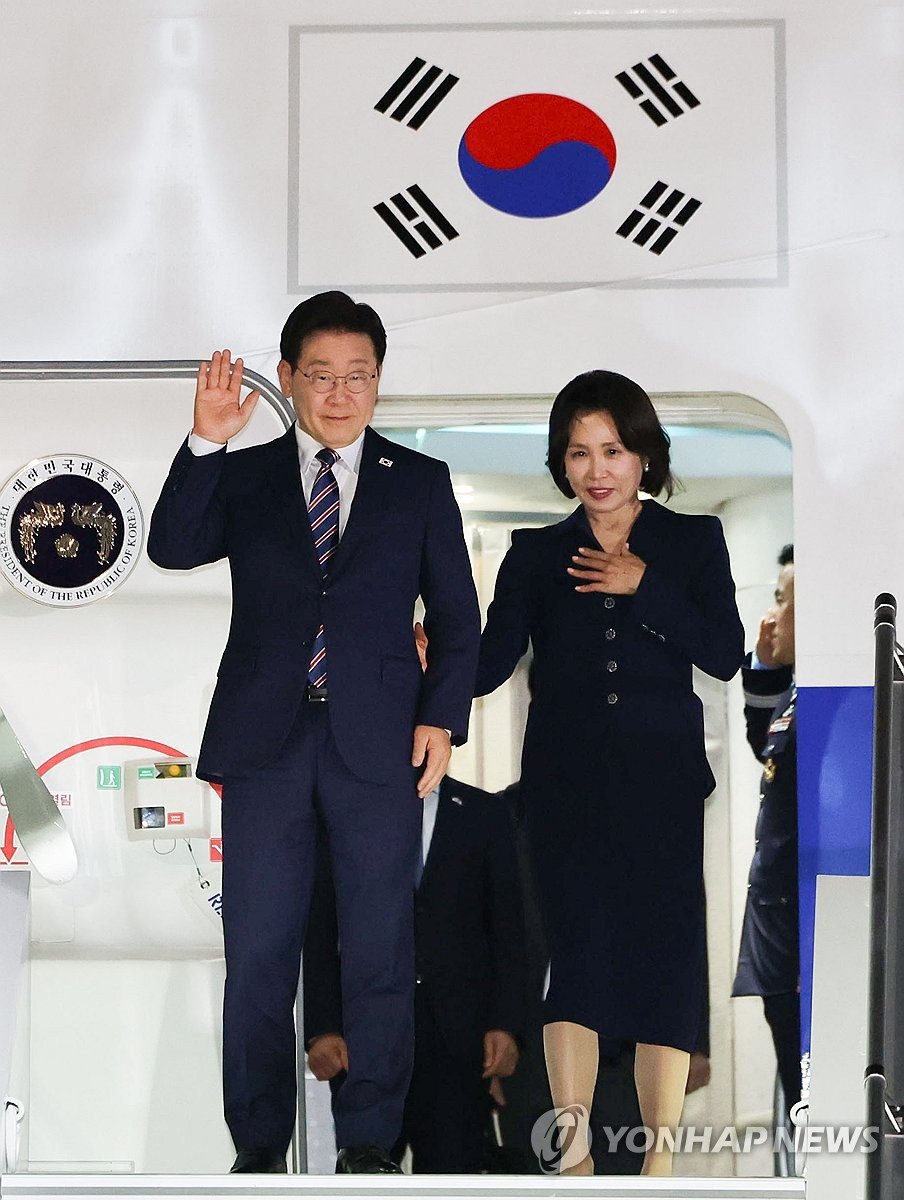
Following the Brussels engagements, President Lee arrived in Rome on 10 June for a state visit hosted by Italian President Sergio Mattarella at the invitation extended during Prime Minister Giorgia Meloni's visit to Seoul in January 2026. The visit, which runs through 13 June, includes summit meetings with President Mattarella and Prime Minister Meloni, as well as a cultural programme in Florence that underscores the long-standing academic and design linkages between the two countries.
South Korea and Italy celebrated the 142nd anniversary of diplomatic relations in 2026, and the bilateral relationship has deepened considerably in recent years. The January 2026 summit in Seoul produced agreements on artificial intelligence, semiconductor cooperation, and space technology, and the current state visit is expected to build on those foundations. The bilateral agenda now centres on AI governance, semiconductor supply-chain resilience, space technology, shipbuilding, and defense-industrial collaboration.
Italy, with its advanced naval shipbuilding capabilities — including the Fincantieri shipbuilding group — and Leonardo's aerospace and defense systems, offers complementary strengths to Korea's own defense industrial base, which includes Hanwha Aerospace, Hyundai Heavy Industries, and Korea Aerospace Industries. Joint development of naval systems, satellite components, and cybersecurity frameworks features prominently in the discussions. Prime Minister Meloni characterised the relationship as one between "mature and technologically advanced democracies" during her Seoul visit, noting that the affinity between the two nations represents "an extraordinary added value" in a world where geopolitical and economic uncertainty has become the norm.
Vatican Diplomacy and the Korean Peninsula Peace Process
During the Rome segment, President Lee is scheduled to meet Pope Leo XIV at the Vatican on 14 June. This encounter continues a longstanding tradition of Korean leaders seeking Papal support for peace initiatives on the Korean Peninsula. Pope Francis visited South Korea in 2014 for the beatification of Paul Yun Ji-chung and 123 other Korean martyrs, and the Vatican has maintained consistent interest in Korean Peninsula affairs, particularly through its diplomatic channels and humanitarian aid programmes that reach North Korea.
President Lee is expected to request the Pope's support for a renewed peace framework, building on the Holy See's historical role in facilitating humanitarian exchanges and raising awareness of North Korean human rights conditions in European diplomatic circles. The meeting also carries domestic political significance in South Korea, where the Catholic Church counts approximately 5.6 million adherents — just over 11 percent of the population — making it one of the country's largest religious communities.
G7 Summit in France: A Platform for Multilateral Coordination
From 14 to 16 June, President Lee will attend the G7 summit in Évian-les-Bains, France, as a partner-country representative — a status South Korea has maintained since being invited to the 2020 G7 summit and subsequently participating as a regular invitee. The summit agenda includes global economic governance, critical minerals security, responses to Russia's war in Ukraine, and reform of multilateral institutions including the United Nations Security Council and international financial institutions.
South Korea's presence at the G7 provides a platform to coordinate positions on North Korea ahead of potential UN Security Council discussions later this year and to advocate for supply-chain diversification measures that affect Korean semiconductor and battery manufacturers. The G7 participation also offers an opportunity for President Lee to hold sideline meetings with other attending leaders, including potential trilateral or quadrilateral formats that could produce additional joint statements on regional security concerns in the Indo-Pacific.
Of particular interest to Korean policymakers is the G7's evolving stance on critical minerals and clean energy supply chains. South Korea is the world's leading producer of memory semiconductors and one of the top three manufacturers of electric vehicle batteries, making it directly affected by any G7-led initiatives to secure critical mineral supplies or establish alternative supply chains to reduce dependence on China. The Partnership for Global Infrastructure and Investment (PGII), a G7-led initiative, offers potential avenues for Korean participation in infrastructure development projects that align with Seoul's Indo-Pacific strategy.
Strategic Significance for Korean Foreign Policy
President Lee's European tour represents the first full-scale multilateral summit diplomacy undertaken by his administration since taking office in June 2025. The sequencing — EU institutions first, then bilateral engagements in Italy and the Vatican, capped by G7 participation — reflects a deliberate strategy of embedding Korean economic interests within broader transatlantic frameworks rather than relying solely on the US-ROK alliance and the Korea-China economic relationship.
The emphasis on digital trade, green technology, semiconductors, and defense-industrial cooperation aligns with domestic Korean priorities of technological self-reliance and export diversification beyond traditional chaebol-dominated markets. South Korea faces structural economic challenges — including an aging population, slowing productivity growth, and export concentration in a narrow range of sectors — that make diversification of economic partnerships a strategic imperative. Europe, as a bloc of 27 economies with advanced technology sectors and complementary industrial capabilities, offers opportunities for Korean firms that cannot be matched by any single bilateral relationship.
From a Northeast Asian geopolitical perspective, the tour reinforces South Korea's positioning as a bridge between the transatlantic alliance system and the Indo-Pacific security architecture. By securing European condemnation of North Korean nuclear ambitions and North Korea-Russia military cooperation within formal summit communiqués, Seoul strengthens the normative and diplomatic foundations of its own denuclearisation strategy. The EU's willingness to align with South Korean positions on North Korea is particularly notable given that China — North Korea's primary economic and diplomatic patron — has pushed back against international pressure on Pyongyang.
Looking Ahead
The immediate diplomatic deliverables — the DTA, the Green Partnership, and the series of bilateral agreements expected from the Italy state visit — will require ratification procedures and implementation mechanisms that will occupy Korean and European officials through the remainder of 2026. The DTA in particular will need to be vetted against the EU's existing digital regulatory framework, including the Digital Services Act and the AI Act, a process that could take 12 to 18 months.
President Lee's attendance at the G7 summit will test whether the partner-country format can evolve into a more permanent arrangement for Korean participation in global economic governance. South Korea has expressed interest in full G7 membership, and continued participation at the partner level keeps that door open while demonstrating Seoul's value as a contributor to global economic and security discussions. Meanwhile, the Vatican meeting opens a humanitarian diplomatic channel that could prove valuable should inter-Korean dialogue resume, particularly if North Korea shows willingness to accept international humanitarian assistance in the context of ongoing food security challenges.
For now, President Lee has accomplished the immediate objective of his tour: situating South Korea's strategic interests squarely within the agenda of Europe's most consequential diplomatic gatherings and demonstrating that Seoul's foreign policy reach extends beyond the bilateral alliance with Washington and the complex economic relationship with Beijing. As one senior official at the Ministry of Foreign Affairs noted, the tour establishes a foundation for European engagement that can be built upon throughout the remainder of President Lee's term.
By Prof. David Park, Staff Writer
This article was produced with AI-assisted research and editorial support. Reporting is based on sources cited in the article.
What's Your Reaction?
 Like
0
Like
0
 Dislike
0
Dislike
0
 Love
0
Love
0
 Funny
0
Funny
0
 Wow
0
Wow
0
 Sad
0
Sad
0
 Angry
0
Angry
0
East Asia/Technology Correspondent at Global1.News. Seoul-based voice covering Korean politics, technology, business, and culture. Analyzes how technology and geopolitics intersect across East Asia.










Comments (0)