
Lancet: Statins Close Obesity Heart Risk Gap in Adults Over 40
A landmark study published in The Lancet has delivered a surprising finding: adults over 40 living with obesity now record blood pressure and cholesterol levels comparable to those of normal-weight peers — thanks largely to wider use of statins and blood pressure medications. For India, home to 254 million people with generalized obesity and 351 million affected by abdominal ob
A landmark study published in The Lancet has delivered a surprising finding: adults over 40 living with obesity now record blood pressure and cholesterol levels comparable to those of normal-weight peers — thanks largely to wider use of statins and blood pressure medications. For India, home to 254 million people with generalized obesity and 351 million affected by abdominal obesity, the implications for public health policy and pharmaceutical access are substantial.
Lancet Study Finds Statins and BP Medications Close Heart Risk Gap for Over-40s With Obesity — But Younger Adults Left Behind
New Delhi, India – July 3, 2026 —
The Lancet Study Redefines Obesity-Related Cardiovascular Risk
A landmark study published July 1-2, 2026 in The Lancet analyzed data from nearly 1 million people across 110 health surveys conducted between 1990 and 2024 in seven high-income countries including the UK, US, Japan, Finland and South Korea. Led by researchers at Imperial College London, the findings reveal that adults aged 40-79 with obesity now record blood pressure and cholesterol levels similar to or sometimes better than those of normal-weight peers.

Statins and Blood Pressure Medications Drive the Convergence
Wider use of cholesterol-lowering statins and blood pressure medications explains the trend. Adults over 40 with obesity have benefited most from these therapies, closing historical gaps in key cardiovascular markers. The study confirms this medication effect is pronounced in the 40-79 age group across the surveyed nations.
Younger Adults Under 40 Show No Comparable Improvement
The positive shift does not extend to younger adults. For those under 40, the gap in blood pressure and cholesterol between individuals with obesity and normal-weight peers has changed very little over the decades. This age-specific divergence highlights the need for targeted prevention strategies before middle age.
India's Obesity Epidemic and Direct Relevance to National Health
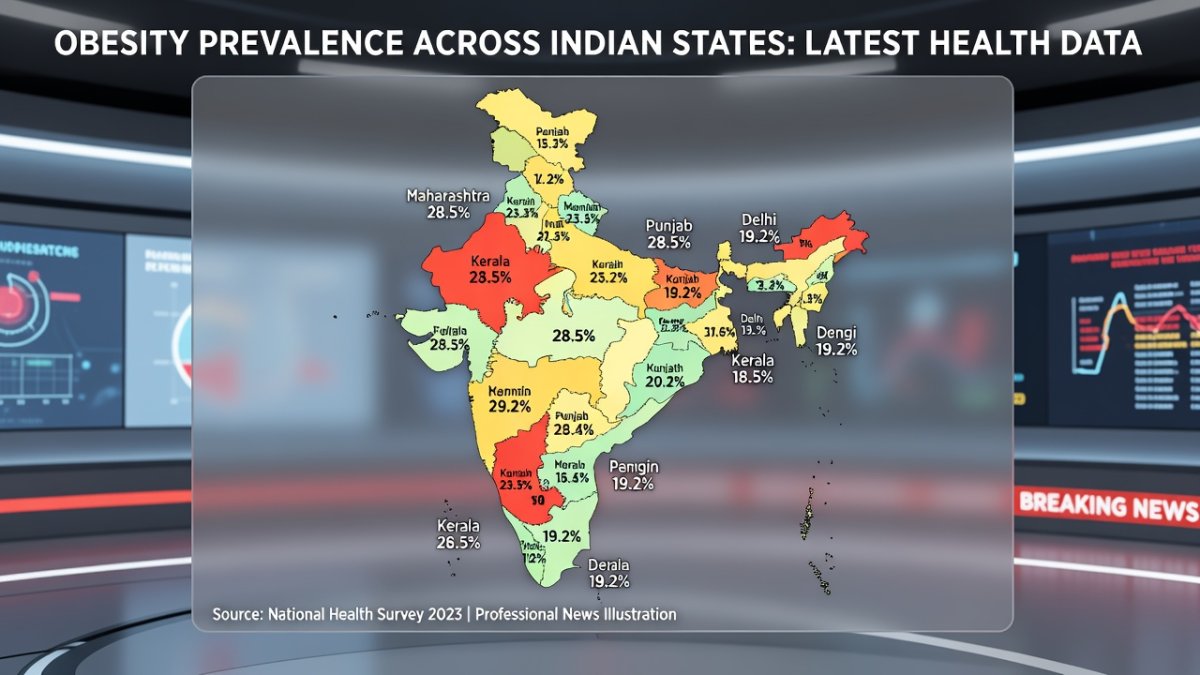
Nearly 29% of Indian adults have generalized obesity while another 40% have abdominal obesity, translating to 254 million people living with generalized obesity and 351 million affected by abdominal obesity. These figures place enormous pressure on India's healthcare framework, particularly in urban centers such as New Delhi and major state capitals. The Lancet findings carry immediate implications for Indian patients and taxpayers who fund expanding public health programs.
Dr. Rajnish Sardana, Senior Cardiologist at Sitaram Bhartia Institute of Medical Sciences in New Delhi, noted the behavioral risk: "It is akin to people driving cars with better safety features having more accidents than people driving cars with fewer safety features, because the latter are more careful."
Policy Implications for Indian Healthcare and Pharma Sector
India's obesity drug market is entering a new phase as Novo Nordisk's semaglutide patent expires, allowing Indian pharma companies to launch lower-cost versions. This development aligns with broader efforts by institutions such as ICMR and AIIMS to integrate medication access with lifestyle interventions. The convergence observed in older adults suggests that expanded statin and antihypertensive coverage could reduce future cardiovascular events among India's middle-aged population, easing the burden on district-level health infrastructure.
Strategic Recommendations for Patients, Clinicians and Policymakers
Indian clinicians should prioritize medication adherence alongside lifestyle counseling for adults over 40, while public health campaigns must intensify focus on the under-40 cohort where gaps persist. Taxpayers stand to benefit from reduced long-term treatment costs if early intervention prevents complications. The study underscores the value of data-driven policy that connects pharmaceutical innovation with equitable access across states.
— By Dr. Raj Patel, Staff WriterThis article was produced with AI-assisted research and editorial support. Reporting is based on sources cited in the article.
What's Your Reaction?
 Like
0
Like
0
 Dislike
0
Dislike
0
 Love
0
Love
0
 Funny
0
Funny
0
 Wow
0
Wow
0
 Sad
0
Sad
0
 Angry
0
Angry
0

India/South Asia Correspondent at Global1.News. Analytical voice with a background in science and health journalism. Based in New Delhi, covering Indian politics, education, healthcare, technology, and policy. Breaks down complex data into clear, actionable reporting.















Comments (0)