
Japan and China Clash Over Military Expansion at Shangri-La Dialogue
The Exchange at the Shangri-La Dialogue At the Shangri-La Dialogue in Singapore, Japan's defence minister Shinjiro Koizumi directly addressed Beijing's accusations of Japanese "new militarism." He countered that China's substantial arsenal of nuclear weapons and strategic bombers represents a more pressing issue for regional stability. Koizumi emphasized Japan's commitment to t
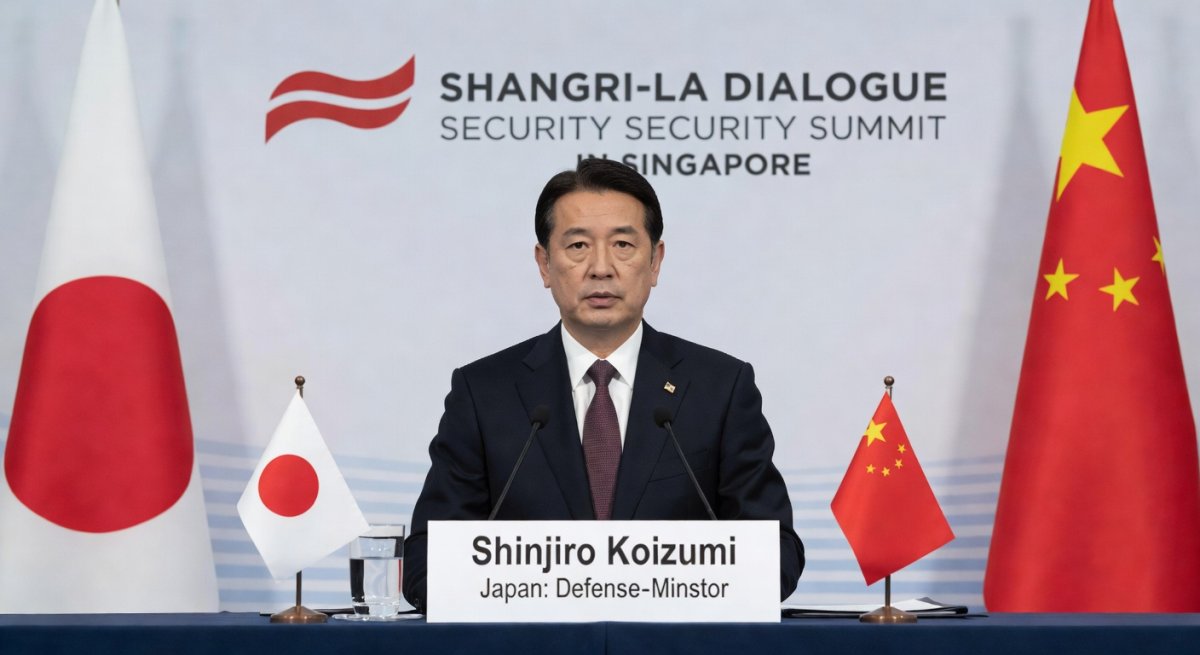
The Exchange at the Shangri-La Dialogue
At the Shangri-La Dialogue in Singapore, Japan's defence minister Shinjiro Koizumi directly addressed Beijing's accusations of Japanese "new militarism." He countered that China's substantial arsenal of nuclear weapons and strategic bombers represents a more pressing issue for regional stability. Koizumi emphasized Japan's commitment to transparency and dialogue while rejecting the label of remilitarization as inconsistent with Tokyo's defensive objectives.
Historical Context in Bilateral Relations
The exchange reflects longstanding frictions rooted in Japan's wartime actions in China during World War Two. China's national defence ministry spokesman Jiang Bin had previously urged the international community to address what he described as Japan's accelerating remilitarization. Koizumi's father, former prime minister Junichiro Koizumi, had issued multiple apologies during his tenure, yet the question of sufficient atonement continues to surface in official interactions between the two nations.
Japan's Defense Budget Trajectory
Under Prime Minister Sanae Takaichi, Japan has recorded twelve consecutive years of increased defense spending. The cabinet-approved budget exceeding 9 trillion yen moves the country toward its 2 percent of GDP target. These resources support acquisitions such as surface-to-ship missiles and unmanned drones for land and underwater deployment, alongside revisions to security documents scheduled by the end of the year and adjustments to arms export regulations.
China's Position on Regional Military Developments
Beijing has expressed concern over Japan's potential involvement in contingencies involving Taiwan, particularly following Takaichi's statements on self-defense measures. Chinese officials maintain that Japan's military expansion lacks sufficient transparency and contributes to broader strategic uncertainties. Koizumi responded by noting Japan's open channels for communication while highlighting the disparity in capabilities between the two countries.
Domestic and Regional Ramifications
Within Japan, Takaichi's initiatives have prompted both support for enhanced deterrence and protests from those wary of departing from postwar pacifism, including large-scale demonstrations in recent months. Across the region, the debate at the Shangri-La Dialogue underscores how historical grievances intersect with contemporary capability developments, influencing security calculations among states that experienced Japanese occupation during World War Two.
This article was produced with AI-assisted research and editorial support. Reporting is based on sources cited in the article.
What's Your Reaction?
 Like
0
Like
0
 Dislike
0
Dislike
0
 Love
0
Love
0
 Funny
0
Funny
0
 Wow
0
Wow
0
 Sad
0
Sad
0
 Angry
0
Angry
0

World Politics Analyst at Global1.News. Based in Beijing, covering US-China relations, global trade, and geopolitical strategy. Brings deep analytical perspective to the power dynamics shaping international affairs.













Comments (0)