
COFEPRIS Warns of Deadly Fake Gran Centenario Tequila in Guanajuato
COFEPRIS Issues Urgent Health Alert Over Counterfeit Tequila On Monday July 14, 2026, COFEPRIS released a formal health alert warning the public about the falsification and adulteration of Gran Centen
COFEPRIS Issues Urgent Health Alert Over Counterfeit Tequila
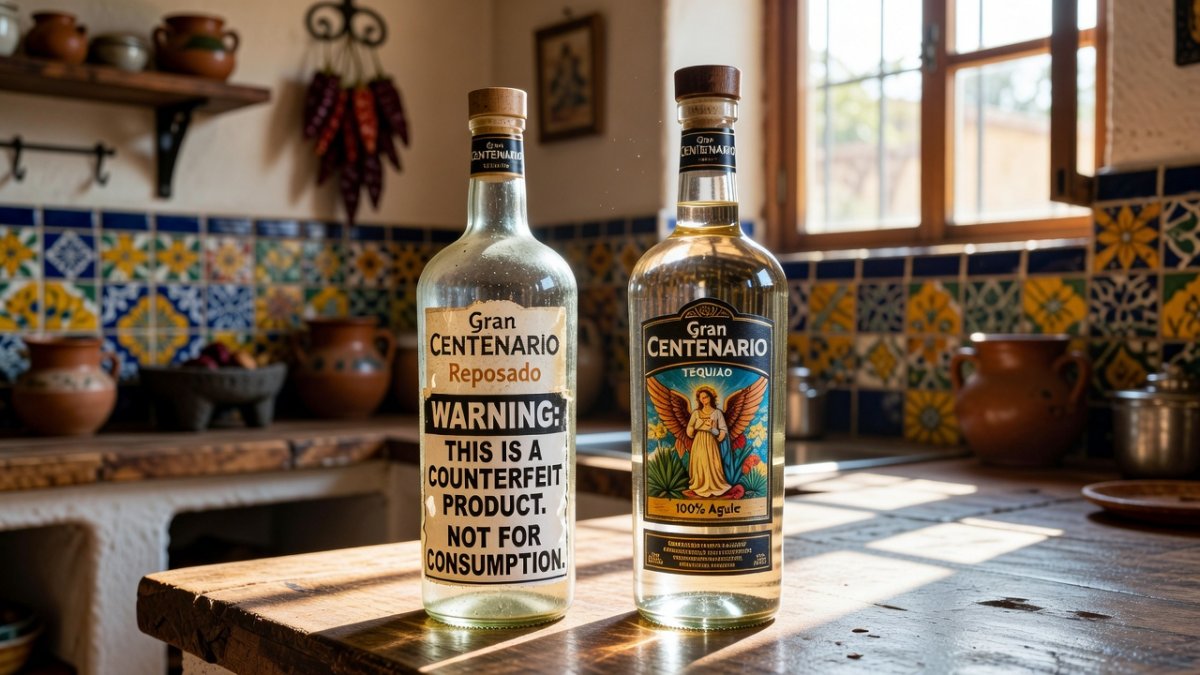
On Monday July 14, 2026, COFEPRIS released a formal health alert warning the public about the falsification and adulteration of Gran Centenario Añejo reposado tequila. The alert specifically targets 950ml bottles carrying batch number L 061 24. This action followed close coordination with Casa Cuervo S.A. de C.V., which helped verify the scope of the counterfeit operation and confirm the presence of dangerous adulterants.
The discovery process began when health officials received reports of severe methanol poisoning symptoms among consumers in Guanajuato. Laboratory analysis revealed that the fake bottles contained high levels of methanol instead of the expected ethanol. COFEPRIS immediately mobilized its inspection teams to trace the distribution of the affected batch across both physical and digital marketplaces.
Physical indicators of the counterfeit product include a front label that lacks the proper relief and embossing found on authentic bottles. The cap also shows clear signs of detachment or improper sealing, suggesting tampering during the repackaging process. These details were shared widely so that consumers could perform quick visual checks before purchase or consumption.
The Guanajuato state government and municipal authorities in affected areas received direct notifications from COFEPRIS to support local enforcement efforts. This rapid information sharing reflects the Sheinbaum administration’s emphasis on protecting public health through swift intergovernmental collaboration.
Tragedy in Salamanca — The Human Toll
At least five confirmed deaths have occurred in Salamanca, Guanajuato, after residents consumed the adulterated tequila. An additional death in nearby Irapuato remains under investigation by local authorities. Between 28 and 35 people have been hospitalized with classic symptoms of methanol poisoning, including vision problems, severe abdominal pain, and respiratory distress.
Families across these colonias are now grieving loved ones who gathered for what they believed was a safe celebration using a trusted national brand. The shock runs deep because Gran Centenario has long been associated with family milestones and community gatherings. Relatives describe the sudden onset of illness that turned joyful occasions into medical emergencies within hours.
Community members in Salamanca have begun supporting one another through informal networks of care, sharing information about symptoms and hospital visits. The emotional weight is compounded by the realization that criminal networks exploited a product many families considered reliable. This sense of betrayal has left lasting scars on tight-knit neighborhoods.
Local health centers have seen an influx of worried residents seeking reassurance and testing. The human cost extends beyond the immediate fatalities to include long-term health complications for survivors who may face permanent organ damage.
How Counterfeit Alcohol Reaches Mexican Consumers
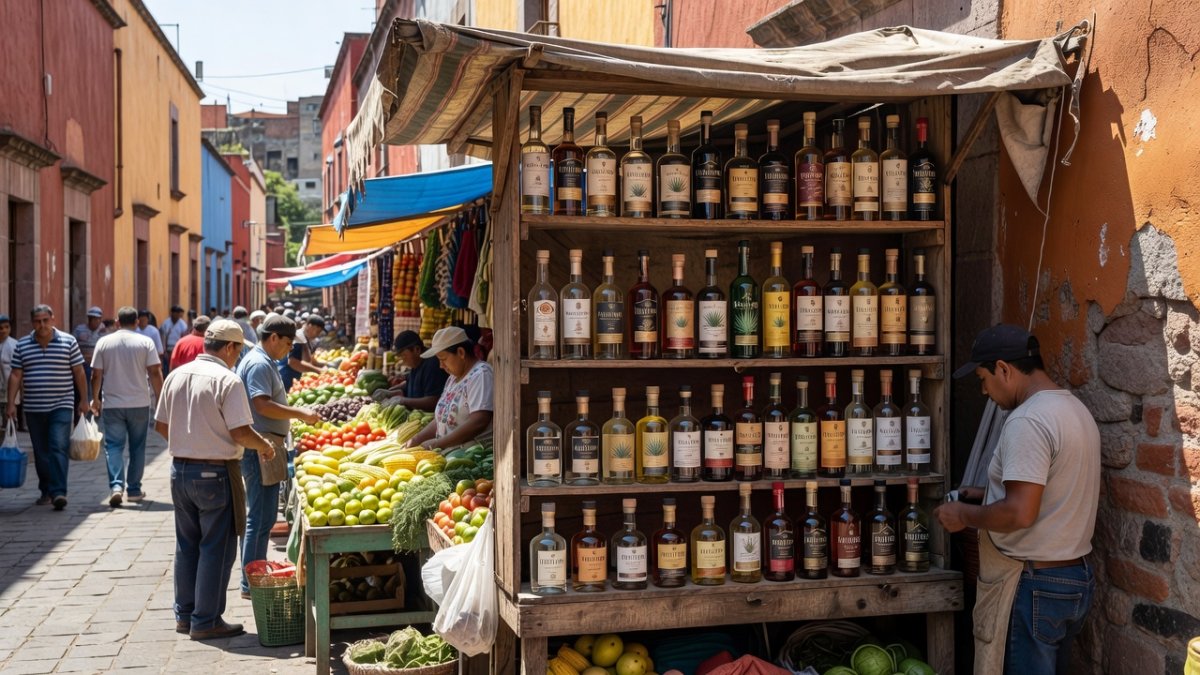
Counterfeit bottles reached consumers primarily through the Central de Abastos market in León and various online sales platforms. Criminal networks have become adept at replicating packaging, labels, and even batch codes to deceive buyers who shop in informal settings. These operations exploit the high volume of traffic at tianguis and large wholesale markets where oversight can be inconsistent.
Guanajuato’s supply chain presents particular vulnerabilities because products move quickly between producers, distributors, and small retailers. Once fake bottles enter the informal market, they can spread rapidly across municipal boundaries before authorities detect the problem. Online marketplaces further complicate regulation by allowing sellers to operate with limited physical traceability.
COFEPRIS has noted that the speed of digital sales often outpaces traditional inspection methods. Families who purchase alcohol for celebrations may unknowingly select these products when seeking lower prices or convenient delivery options. The combination of physical markets and online channels creates multiple entry points for dangerous counterfeits.
State and municipal authorities in Guanajuato have increased patrols at key distribution points following the alert. However, the sheer scale of informal commerce means that complete elimination of these channels requires sustained, coordinated effort across several agencies.
COFEPRIS and Consumer Protection in Mexico
COFEPRIS holds the federal mandate to protect citizens against sanitary risks, including adulterated food and beverages. The agency maintains a strong track record of issuing timely alerts when laboratory evidence confirms public health threats. In this case, the collaboration with Casa Cuervo allowed for rapid verification of the counterfeit operation.
Coordination extends to the FGR and SEGOB when criminal elements are involved in large-scale falsification. The Sheinbaum administration has prioritized strengthening these inter-agency links to ensure that health alerts translate into effective enforcement on the ground. State health authorities in Guanajuato played a key role in confirming the cluster of poisoning cases that triggered the federal response.
Health alerts in Mexico follow a structured path from initial detection through laboratory confirmation to public dissemination. COFEPRIS publishes detailed product descriptions, batch numbers, and visual indicators so that ordinary citizens can take immediate protective action. This transparency helps build public trust in the regulatory system.
Continued investment in surveillance at both federal and state levels remains essential. The current incident demonstrates how effective communication between COFEPRIS and local governments can limit further harm when dangerous products enter the market.
How to Identify Authentic Tequila — A Consumer's Guide
Mexican consumers should carefully examine the front label of any Gran Centenario bottle for proper relief and embossing before purchase. The absence of these tactile features is a strong warning sign of counterfeiting. Checking the cap for signs of previous detachment or poor sealing provides an additional layer of protection.
Buyers are advised to purchase only from authorized retailers and to avoid unusually low prices that may indicate counterfeit stock. When shopping at markets such as Central de Abastos, consumers should request proof of origin and compare batch numbers against official COFEPRIS warnings. Reporting any suspicious products directly to COFEPRIS helps authorities track emerging threats.
Households that already possess bottles from batch L 061 24 should immediately cease consumption and contact local health authorities for guidance on safe disposal. COFEPRIS maintains channels for consumers to verify product authenticity through official communications and regional offices.
Community education campaigns can further empower families to recognize warning signs. Sharing accurate information through neighborhood networks helps protect vulnerable populations who may have limited access to digital alerts.
The Wider Crisis of Adulterated Alcohol in Mexico
Incidents involving adulterated alcohol have recurred across multiple Mexican states in recent years, highlighting a persistent public health challenge. Criminal organizations target high-value spirits such as tequila because the profit margins are substantial and the technical barriers to replication are relatively low. These operations undermine legitimate producers and endanger consumers.
Mexico’s tequila industry supports thousands of jobs, particularly in Jalisco and neighboring states. When counterfeit products damage the reputation of established brands, the economic ripple effects reach farmers, distillers, and distributors who depend on consumer confidence. The current case in Guanajuato illustrates how localized tragedies can affect national industries.
Previous episodes have prompted stronger regulatory frameworks, yet enforcement gaps remain in informal markets. The economics of counterfeit alcohol favor criminals who can produce and distribute fakes at a fraction of the cost of genuine products. This reality places continuous pressure on agencies like COFEPRIS to adapt their monitoring strategies.
Protecting Mexico’s cultural exports requires both aggressive pursuit of counterfeiters and sustained public awareness. The involvement of multiple states and federal entities underscores the need for a comprehensive national approach to this ongoing threat.
What This Means for Mexican Families and Communities
The counterfeit tequila incident has eroded trust in local markets where families have long purchased goods for celebrations and daily life. Small businesses in Salamanca and Irapuato now face reduced foot traffic as residents become more cautious about all alcohol purchases. This economic pressure adds stress to communities already coping with loss.
Family gatherings centered around shared meals and drinks form a cornerstone of Mexican social life. The knowledge that a familiar brand could be lethal has introduced fear into these intimate moments. Parents and grandparents are now more vigilant, often double-checking products before serving guests.
Residents experiencing symptoms should seek immediate care at IMSS or ISSSTE facilities or local clinics. Early intervention can prevent permanent harm from methanol exposure. Community leaders are encouraging neighbors to report any suspicious symptoms without delay so that health authorities can respond quickly.
Rebuilding confidence will require transparent communication from COFEPRIS and continued enforcement against counterfeit networks. Mexican families remain resilient, drawing on cultural traditions of mutual support to navigate this difficult period while advocating for stronger protections in the future.
Tags: COFEPRIS, Gran Centenario, counterfeit tequila, Guanajuato, methanol poisoning, health alert, consumer safety, Sheinbaum administration, IMSS, ISSSTE
By Rosa Martinez, Staff Writer
This article was produced with AI-assisted research and editorial support. Reporting is based on sources cited in the article.
What's Your Reaction?
 Like
0
Like
0
 Dislike
0
Dislike
0
 Love
0
Love
0
 Funny
0
Funny
0
 Wow
0
Wow
0
 Sad
0
Sad
0
 Angry
0
Angry
0

Latin America/Andes Correspondent at Global1.News. Based in Bogota, covering politics, environment, energy, and social movements across the Andean region. Passionate about environmental journalism and communities protecting their land.













Comments (0)