
Tropical Storm Jangmi Slams Japan — 23 Injured as Kanagawa Faces Extreme Rain Band Alert
Landfall Impact Details Folks, Tropical Storm Jangmi, formerly Typhoon 6, slammed into Japan after downgrading from full typhoon strength right before landfall. This storm barreled through regions from Okinawa straight into the Tokai areas, bringing torrential rains that turned streets into rivers overnight. The Japan Meteorological Agency tracked every move, and NHK confirmed
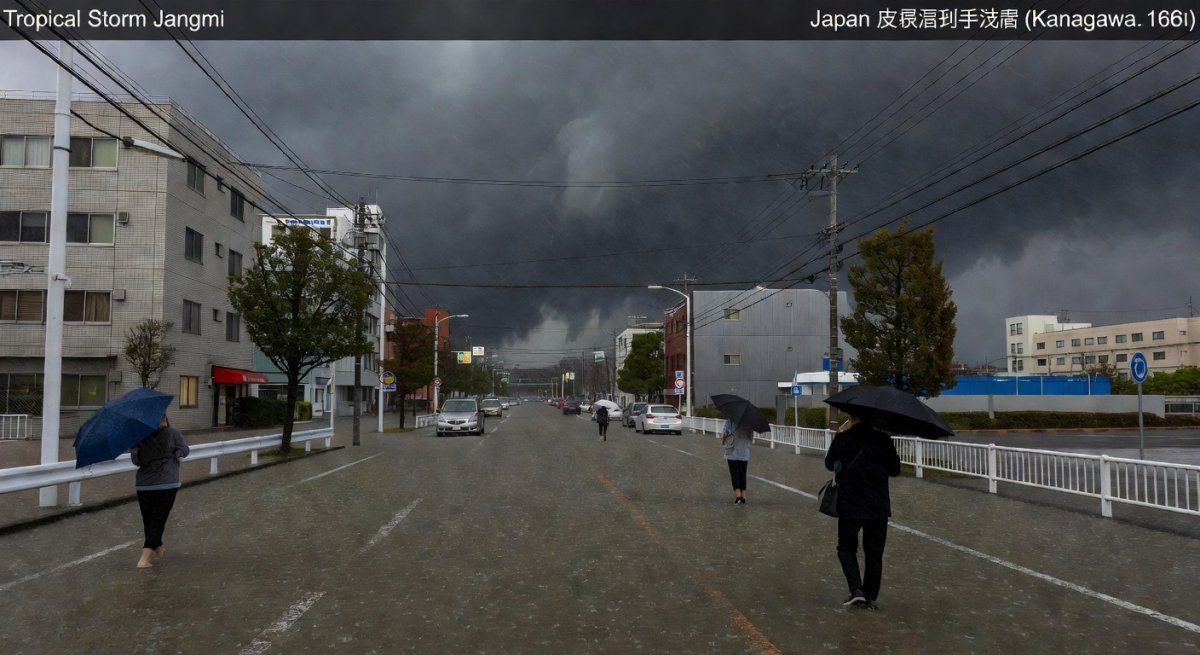
Landfall Impact Details
Folks, Tropical Storm Jangmi, formerly Typhoon 6, slammed into Japan after downgrading from full typhoon strength right before landfall. This storm barreled through regions from Okinawa straight into the Tokai areas, bringing torrential rains that turned streets into rivers overnight. The Japan Meteorological Agency tracked every move, and NHK confirmed the chaos unfolding across the nation. You cannot ignore how this system shifted from a roaring typhoon to a tropical storm yet still packed enough punch to disrupt everything in its path. Landfall hit during peak vulnerability, with flood alerts blazing across multiple prefectures as the system dumped water relentlessly. This is not some distant headline—this is Japan getting hammered again, and the details scream urgency. Wake up and pay attention because the impact stretched far beyond the coast, soaking everything from southern islands to central hubs. The downgrade might have fooled some into thinking it was mild, but the reality hit hard with widespread disruptions that NHK reported in real time. Jangmi proved that even a weakened storm can wreak havoc when it makes landfall on already saturated ground.
Kanagawa Linear Rain Band Warning Specifics
Listen up—Kanagawa Prefecture faced the most serious linear rain band alert from the Japan Meteorological Agency, triggering over 100,000 Google Trends searches as people scrambled for updates. JMA issued emergency warnings specifically for this area, highlighting the deadly potential of these narrow, intense rain bands that can dump months of rain in hours. This was not a routine alert; it demanded immediate action as flood risks skyrocketed. The agency pulled no punches in describing the threat, and residents in Kanagawa knew they were ground zero. Multiple other prefectures also saw flood alerts activated, but Kanagawa stood out with that top-tier warning that had everyone glued to screens. NHK broadcast the details nonstop, emphasizing how these linear rain bands form rapidly and move with deadly precision. You need to understand that this alert level means life-threatening conditions could develop within minutes. The Google Trends spike shows just how many tuned in, proving the public felt the weight of JMA's words. Kanagawa's situation exposed how these warnings can mobilize an entire region, yet the storm's arrival still caught some off guard despite the advance notice.
Injury Toll and Human Cost
NHK confirmed 23 people injured across six prefectures, a toll that hits hard when you realize these are real lives upended by Tropical Storm Jangmi. From Okinawa through the Tokai regions, the storm's remnants left victims dealing with everything from flood-related falls to wind-driven debris strikes. Six prefectures reported these injuries, underscoring how widespread the danger became even after the system weakened to tropical storm status. The human cost extends beyond numbers—families displaced, workers unable to reach jobs, and communities picking up the pieces. This is during Japan's tsuyu rainy season, making every injury a reminder of how vulnerable people remain when storms align with already wet conditions. JMA's warnings came too late for some, and the 23 injured represent just the reported cases; many more likely suffered in silence. You cannot dismiss this as minor when NHK's confirmation paints a picture of nationwide strain. The six prefectures involved show the storm's reach, turning what could have been a glancing blow into a painful reality for dozens. Preparedness failures amplify this human cost every single time.
Transportation Chaos
Transportation ground to a halt as flights were grounded at multiple airports and train services canceled across affected zones. Tropical Storm Jangmi, downgraded before landfall, still managed to paralyze travel from Okinawa to Tokai and beyond, stranding thousands during peak tsuyu season. JMA's alerts for Kanagawa and flood warnings elsewhere forced operators to prioritize safety, but the result was total disruption that NHK covered extensively. Imagine planning a trip only to watch your flight vanish from the board or your train route shut down without warning. Multiple airports halted operations, while train lines across the six prefectures with injuries went dark to avoid disaster. This chaos exposed how one storm can ripple through the entire network, leaving commuters and travelers scrambling. The downgrade from typhoon to tropical storm did nothing to ease the transportation nightmare, proving that even reduced intensity brings major fallout. You rely on these systems daily, yet here they crumbled under pressure from relentless rain and high winds. NHK's reports highlighted canceled services lasting well into the aftermath, turning routine commutes into ordeals.
What JMA Warnings Mean
The Japan Meteorological Agency does not issue emergency linear rain band warnings lightly, especially the most serious level seen in Kanagawa. These alerts signal that narrow bands of extreme rainfall could form quickly, leading to flash floods and landslides within minutes. With over 100,000 Google Trends searches spiking for Kanagawa, the public clearly grasped the gravity. JMA's system exists to save lives, yet it demands you act fast—evacuate low areas, avoid travel, and monitor NHK updates constantly. Flood alerts active across multiple prefectures reinforced the message that this was no drill. During tsuyu, these warnings carry extra weight because the ground is already saturated. The agency's tracking of Jangmi from typhoon to tropical storm showed precision, but interpretation matters: warnings mean danger is imminent, not hypothetical. You must treat every JMA bulletin as a direct order to protect yourself and your family. Ignoring them turns potential close calls into the kind of injuries NHK later confirmed across six prefectures.
Japan's Rainy Season Context
Japan's tsuyu rainy season sets the stage for disasters like Tropical Storm Jangmi, turning normal downpours into catastrophic events. The storm's landfall during this period amplified every risk, with already soaked soil unable to absorb more water from the downgraded system. Affecting areas from Okinawa through Tokai, Jangmi exploited tsuyu's vulnerabilities perfectly. NHK reports during this season always stress heightened alert levels, and the six prefectures with injuries prove why. Flood alerts across multiple prefectures become routine yet deadly when combined with linear rain bands. JMA knows tsuyu well, issuing Kanagawa's top-tier warning because the season primes regions for disaster. This is not new—Japan faces this annually—but each storm like Jangmi reminds us the pattern grows more punishing. You live through tsuyu every year, yet the transportation cancellations and 23 injuries show how little margin for error exists. The context of rainy season makes every JMA alert non-negotiable.
Climate Change Connection
Japan's extreme weather patterns are intensifying, and Tropical Storm Jangmi fits right into the climate change narrative that experts keep warning about. What used to be rare typhoon-level threats now arrive even after downgrades, hitting during tsuyu with greater force. The six prefectures reporting 23 injuries reflect how these shifts translate to real harm. JMA's emergency warnings for Kanagawa and flood alerts elsewhere signal that linear rain bands are becoming more frequent and severe. You cannot separate this storm from the bigger picture of warming oceans fueling stronger systems. NHK's coverage during such events increasingly ties back to these changes, urging society to adapt faster. From Okinawa to Tokai, the pattern shows no sign of easing. Climate change is not abstract—it is the reason transportation chaos and injury tolls keep climbing with each passing season.
Preparedness Gaps Exposed
Despite JMA's detailed alerts and NHK's wall-to-wall reporting, preparedness gaps still left 23 people injured across six prefectures when Jangmi struck. Kanagawa's serious linear rain band warning triggered massive searches, yet flood alerts across multiple prefectures could not prevent all harm. The storm's path from typhoon to tropical storm before landfall should have prompted stricter preemptive measures, but transportation disruptions proved the system was overwhelmed. Tsuyu season demands ironclad plans, yet gaps in evacuation timing and infrastructure resilience showed through clearly. You see the same story repeat: warnings issued, but follow-through uneven. Multiple airports and train lines canceled services reactively rather than proactively in some cases. These gaps turn manageable storms into national headaches and human tragedies.
Call to Action for Readers
Do not wait for the next Jangmi—check JMA alerts daily, especially in Kanagawa and during tsuyu. Stock emergency kits, know your evacuation routes, and follow NHK updates without fail. Demand better infrastructure from leaders because 23 injuries across six prefectures is unacceptable. Share this information widely so your community stays ahead of linear rain band threats and flood alerts. Climate change is here, and Japan's extreme patterns will only worsen, so act now before transportation chaos hits your doorstep. Stay vigilant, stay prepared, and hold systems accountable.
By Jessica Ali, Staff WriterThis article was produced with AI-assisted research and editorial support. Reporting is based on sources cited in the article.
What's Your Reaction?
 Like
1
Like
1
 Dislike
0
Dislike
0
 Love
0
Love
0
 Funny
0
Funny
0
 Wow
0
Wow
0
 Sad
0
Sad
0
 Angry
0
Angry
0

Editor-in-Chief at Global1.News. Atlanta-based journalist who cuts through the BS and tells it like it is. Lead anchor, host, and the voice you hear when the spin stops and the truth starts.














Comments (0)