
Sierra Leone Drops Treason Charges Against Ex-President Koroma in Landmark Decision
Sierra Leone’s decision to drop treason charges against former President Ernest Bai Koroma marks a significant turning point in the nation’s journey toward reconciliation. After months of legal proceedings stemming from a violent attack in November 2023, this move prioritizes national unity over prolonged political conflict. It reflects the delicate balance between justice and peace in a country still recovering from its turbulent past.
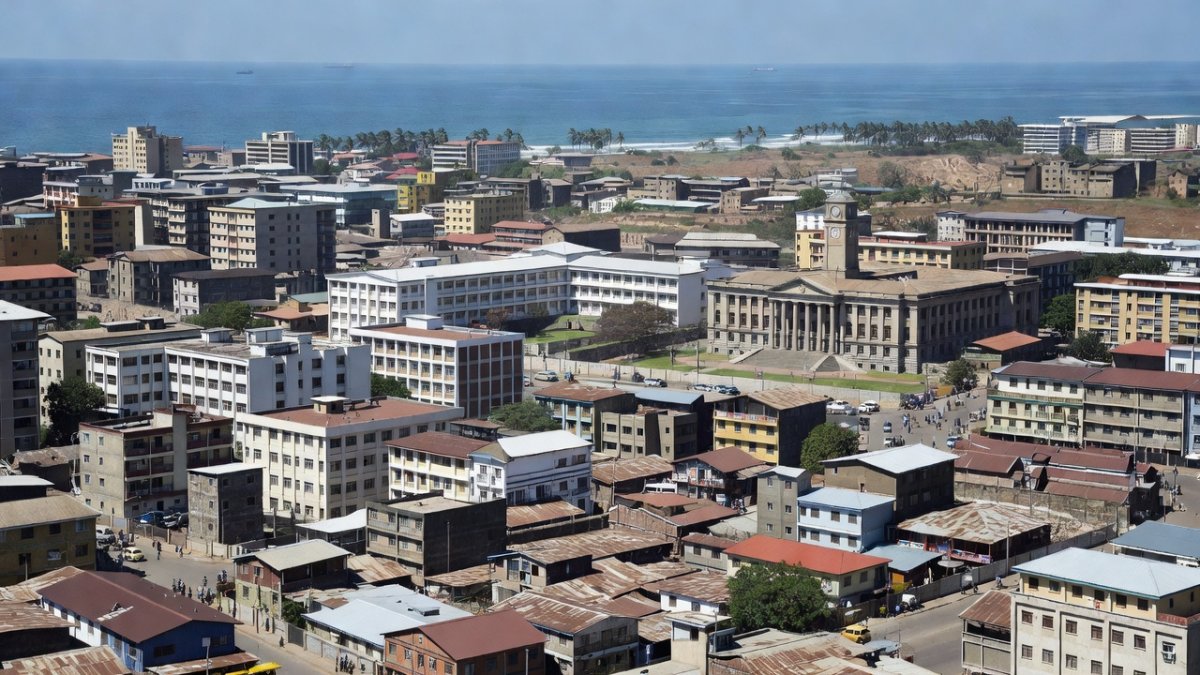
Sierra Leone’s decision to drop treason charges against former President Ernest Bai Koroma marks a significant turning point in the nation’s journey toward reconciliation. After months of legal proceedings stemming from a violent attack in November 2023, this move prioritizes national unity over prolonged political conflict. It reflects the delicate balance between justice and peace in a country still recovering from its turbulent past.
Sierra Leone Drops Treason Charges Against Ex-President Koroma in Landmark Decision
Freetown, Sierra Leone —
The Decision to Drop Charges
Sierra Leone’s government has formally dropped all treason charges against former President Ernest Bai Koroma, bringing an end to a legal process that had kept the 72-year-old leader under intense scrutiny since early 2024. The move signals a deliberate shift toward stability in a country still healing from the scars of civil war and recent political tension. Officials described the decision as one rooted in national interest rather than political expediency, noting that prolonged legal battles risk deepening divisions at a time when Sierra Leone needs unity most.
The November 2023 Attack
The charges stemmed from the violent events of November 2023, when armed men stormed a military armoury and several prisons, freeing nearly 2,000 inmates in a brazen assault that left around 20 people dead. The attack unfolded in the capital, Freetown, sending shockwaves through communities still mindful of past instability. Security forces eventually regained control, but the episode exposed vulnerabilities in the country’s defence infrastructure and raised urgent questions about how such a coordinated operation could occur five months after a contested national election.
That night in Freetown began with coordinated strikes on the Wilberforce military barracks and Central Pademba Road Prison, where armed men attempted to free high-profile detainees and seize weapons. The clashes left several soldiers and civilians dead, sending ripples of fear through neighborhoods still scarred by memories of the 1991-2002 civil war. For many Sierra Leoneans, the sounds of gunfire evoked the darkest chapters of that conflict, when rebel forces and government troops turned daily life into a struggle for survival.
Security forces responded swiftly, sealing off key roads and deploying additional troops to protect state institutions. The government declared a state of emergency, and investigations quickly pointed to elements within the military and opposition networks. Internationally, the African Union and ECOWAS issued strong condemnations, while the United Nations called for calm and respect for constitutional order, underscoring how fragile post-conflict stability remained in the region.
Koroma's Denial and Exile
Throughout the ordeal, Koroma maintained his innocence, insisting he had no role in planning or supporting the coup attempt. He was placed under house arrest shortly after the violence before ECOWAS-mediated talks allowed him to travel to Nigeria in January 2024. During his time in exile, the former president, who served from 2007 to 2018, repeatedly called for calm and emphasised his commitment to Sierra Leone’s democratic path. His return now becomes possible without the shadow of treason hanging over him, a development he welcomed with measured relief.
The Disputed 2023 Election
The coup attempt followed closely on the heels of the June 2023 presidential election, in which incumbent Julius Maada Bio secured a narrow victory amid widespread allegations of irregularities. International observers highlighted concerns over transparency in the voting and counting processes, while Koroma’s All People’s Congress party rejected the results outright. The atmosphere of mistrust that followed created fertile ground for unrest, illustrating how unresolved electoral grievances can quickly escalate in fragile democracies. Many Sierra Leoneans watched these developments with a heavy sense of déjà vu, recalling how past political disputes had tested the nation’s resilience.
The June 2023 presidential election saw President Julius Maada Bio secure 56 percent of the vote against Samura Kamara of the All People’s Congress, yet the APC immediately challenged the results, alleging irregularities in vote tallying at several collation centers. Party agents claimed discrepancies between polling station counts and final figures, fueling protests in opposition strongholds across the north and east. These disputes echoed long-standing tensions over electoral transparency in a country where trust in institutions is still rebuilding.
ECOWAS and the African Union quickly dispatched mediation teams to Freetown, urging both sides to pursue legal channels rather than street demonstrations. Their efforts highlighted a broader pattern of contested polls across West Africa, from Nigeria to Ghana, where opposition parties often question the integrity of results amid accusations of incumbency advantage. The mediation helped prevent immediate escalation but left underlying grievances unresolved.
ECOWAS and Regional Diplomacy
Regional diplomacy played a decisive role in de-escalating the crisis. ECOWAS, together with Nigerian President Bola Tinubu, helped broker the agreement that allowed Koroma to leave for Nigeria under controlled conditions. The same framework now supports his freedom to return home. Koroma publicly expressed gratitude to President Bio, President Tinubu, and the broader ECOWAS community, acknowledging their efforts to prevent further bloodshed. Such interventions reflect the longstanding tradition of West African leaders stepping in to safeguard peace when domestic tensions threaten to spill over borders.
ECOWAS has developed a consistent approach to political crises in West Africa, from sanctions on Niger’s military junta to diplomatic pressure on Mali and Burkina Faso after their coups. These interventions reflect the regional body’s commitment to constitutional governance, even as member states grapple with security threats and economic hardship. Nigeria, under President Bola Tinubu, has played a central role as the bloc’s leading power broker, leveraging its size and resources to broker talks.
The deal allowing Ernest Bai Koroma to remain in exile rather than face trial fits this pattern of negotiated exits that prioritize stability over immediate accountability. Similar arrangements have been seen in other transitions, where former leaders accept political retirement in exchange for dropping charges. While critics argue this weakens the rule of law, supporters see it as a pragmatic step that prevents further violence in already vulnerable nations.
What This Means for Sierra Leone
Dropping the charges opens space for dialogue between the ruling Sierra Leone People’s Party and the opposition APC at a moment when economic pressures and youth unemployment continue to test ordinary citizens. Analysts suggest the decision could reduce the risk of renewed street protests or retaliatory actions by Koroma’s supporters. At the same time, questions remain about accountability for those directly involved in the November attack and about how the government will address lingering grievances from the 2023 poll. For families who lost loved ones during the violence, the legal closure brings mixed emotions—relief that the former president is no longer facing treason proceedings, yet a desire for answers that go beyond political settlements.
Sierra Leone’s economy is still recovering from the shocks of COVID-19, with inflation eroding household incomes and youth unemployment remaining stubbornly high in urban centers like Freetown. These pressures make political stability especially precious, as renewed instability could derail modest gains in mining and agriculture. The long rivalry between the APC and SLPP, rooted in regional and ethnic divides dating back to independence, continues to shape every major decision.
Dropping the treason charges opens space for a possible national dialogue commission that could address grievances from both the election and the November attack. Such a body might help channel tensions into constructive debate rather than confrontation. Across the continent, this case illustrates the difficult balance between pursuing accountability for alleged crimes and preserving the peace needed for everyday citizens to rebuild their lives.
Conclusion: A Path to Reconciliation?
In his first public remarks after learning the charges had been dropped, Koroma spoke of his “enduring conviction that peace, justice and reconciliation must always triumph over adversity.” Those words resonate deeply in a country whose people have repeatedly chosen dialogue over division. While the road ahead will require concrete steps to strengthen institutions and rebuild trust, the decision to set aside the treason case marks a tentative but meaningful step toward healing. Sierra Leoneans, known for their warmth and determination, now watch to see whether this moment can translate into lasting stability for the generations still to come.
By Amara Diop, Staff Writer
This article was produced with AI-assisted research and editorial support. Reporting is based on sources cited in the article.
What's Your Reaction?
 Like
0
Like
0
 Dislike
0
Dislike
0
 Love
0
Love
0
 Funny
0
Funny
0
 Wow
0
Wow
0
 Sad
0
Sad
0
 Angry
0
Angry
0
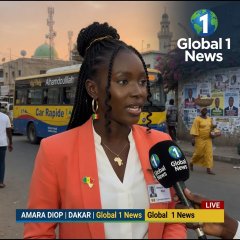
West Africa/Sahel Correspondent at Global1.News. Dakar-based journalist covering politics, security, climate, and development across Francophone and Anglophone West Africa. Tells the stories of a region undergoing profound transformation.











Comments (0)