
Feds and Jalisco Join Forces to Fix Guadalajara Water Crisis
Tags: Guadalajara water contamination, Chapala aqueduct, Jalisco state government, Conagua, CEA Jalisco, ZMG drinking water, industrial pollution rivers, Lake Chapala levels, Mexican families water access, Guadalajara colonias, federal state partnership, aging pipeline Mexico, water infrastructure Jalisco The Daily Struggle for Clean Water in Guadalajara's Colonias Across the colonias of the Guadalajara metropolitan area, families begin each day with the same careful routi...
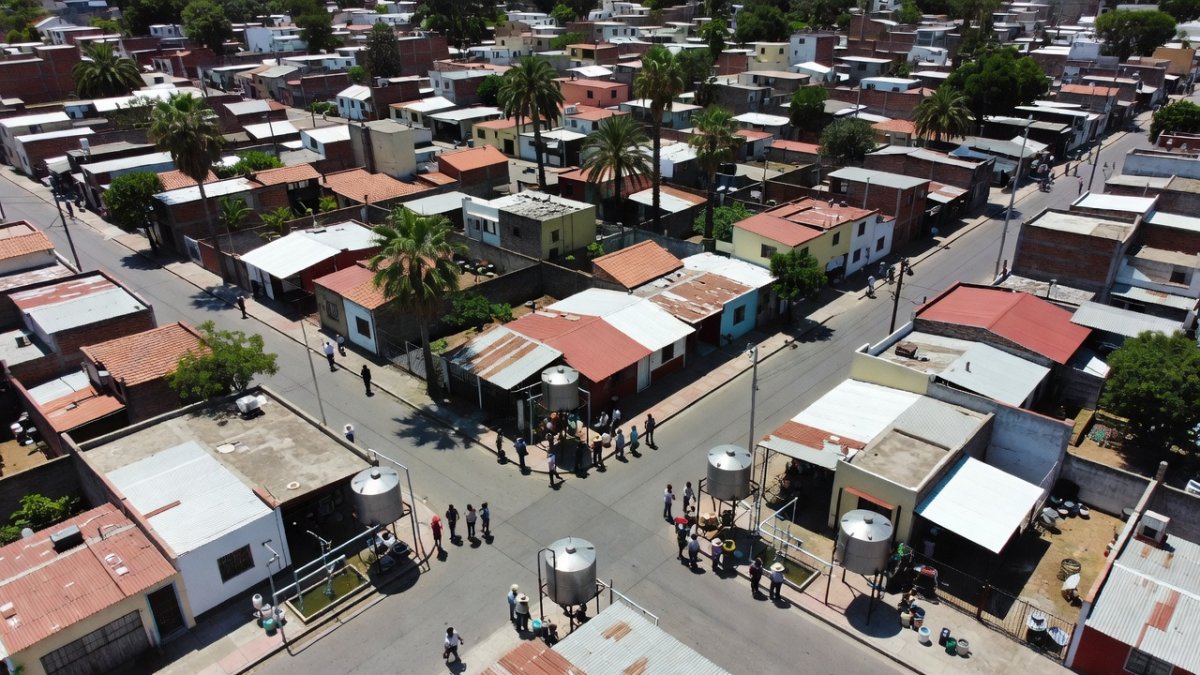
The Daily Struggle for Clean Water in Guadalajara's Colonias
Across the colonias of the Guadalajara metropolitan area, families begin each day with the same careful routines shaped by years of unreliable tap water. Mothers boil water for coffee and cooking while children learn early to avoid drinking directly from the faucet. These habits reflect a deep connection to community life where neighbors share tips on filtration methods passed down through generations in Mexican households.
Many residents in these neighborhoods rely on large plastic containers filled at public purification stations or delivered by local vendors. This adds extra costs to already tight household budgets, especially for families with multiple children attending school or elderly members needing consistent hydration. The cultural emphasis on shared meals and hospitality makes the extra effort feel particularly burdensome during family gatherings and holidays.
Local markets and small stores have adapted by stocking more bottled options, yet the preference for traditional home-cooked meals means families still seek ways to make municipal water safe for beans, rice, and stews central to Mexican cuisine. Community organizations tied to neighborhood churches often organize collection drives for filters, strengthening social bonds amid the ongoing challenge.
Even with recent rains improving Lake Chapala levels, the daily reality for these households remains one of vigilance. Parents teach younger generations about water conservation as part of broader respect for natural resources valued in Mexican culture, while hoping government actions will soon ease the load on ordinary routines.
Health Concerns from Long-Term Exposure to Contaminated Supplies
Families throughout the ZMG have grown increasingly aware of potential health effects tied to the region's water quality issues. Stomach discomfort and skin irritations appear more frequently in conversations among parents at school events and community centers. These concerns connect directly to the industrial discharges affecting rivers that feed into the supply system serving over five million people.
Medical professionals in local clinics note patterns of gastrointestinal issues that families link to their water sources, prompting many to seek private testing when possible. The situation weighs heavily on households with young children and seniors, groups particularly vulnerable to repeated exposure. Mexican cultural values around family protection drive parents to prioritize safer alternatives despite added expenses.
Public health campaigns from institutions like Conagua have highlighted the importance of awareness, yet residents often feel the information arrives without immediate practical relief. Community health workers embedded in colonias provide guidance on boiling and storage practices rooted in traditional knowledge, helping bridge gaps until larger solutions take hold.
The emotional toll on families manifests in quiet worries during mealtimes and bedtime routines. This ongoing stress underscores how water access ties into broader well-being for Mexican communities that prize collective family health and resilience.
The Aging Chapala-Guadalajara Aqueduct Faces Mounting Pressure
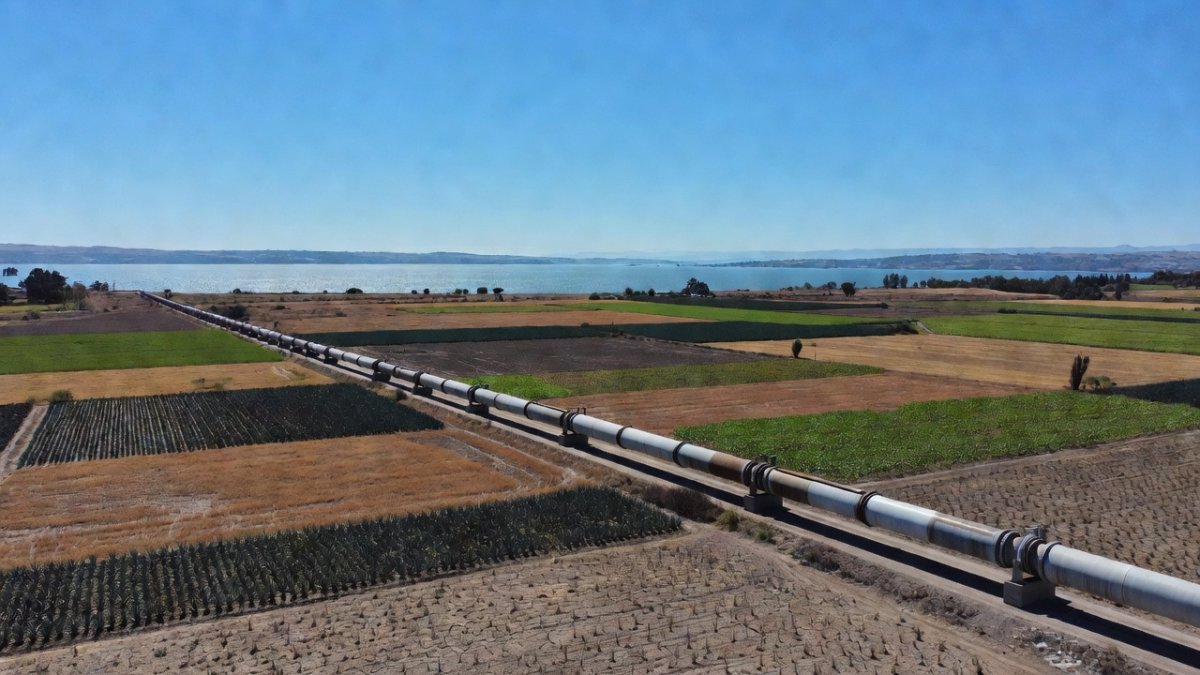
The Chapala-Guadalajara aqueduct stands as a critical lifeline for the ZMG, yet its aging infrastructure presents clear challenges. Leaks along the pipeline and internal corrosion have reduced overall capacity, affecting delivery to millions of residents who depend on it daily. This system, built decades ago, reflects the rapid urban growth that outpaced maintenance in many Mexican cities.
CEA Jalisco invested 22 million pesos in a restricted study to assess conditions, revealing the extent of deterioration from years of use. The pipeline's reduced efficiency means some areas receive inconsistent pressure, forcing families to store water in advance. Such infrastructure limitations highlight the need for coordinated upgrades across federal and state levels.
Industrial discharges into regional rivers compound the problem by introducing additional pollutants before water even reaches the aqueduct. This combination of factors creates a complex web that institutions like Conagua must navigate alongside Jalisco authorities. The cultural significance of Lake Chapala as a regional landmark adds emotional weight to preservation efforts.
Engineers and planners recognize that addressing corrosion and leaks requires sustained investment, yet the immediate impact falls on households managing daily needs. The aqueduct's role in supporting Guadalajara's vibrant economy and family life makes its rehabilitation a priority for long-term stability.
Federal and State Partnership Signals Coordinated Action
The collaboration between the federal government through Conagua and Jalisco state authorities marks a significant step toward unified solutions for the water issues. This partnership aims to tackle both the aqueduct's physical problems and the pollution sources in surrounding rivers. For families in the ZMG, it represents hope that institutional resources will align more effectively.
Joint efforts build on existing frameworks within Mexican governance, where federal oversight combines with state-level implementation to address regional needs. Officials have emphasized shared responsibility, recognizing that water management affects everything from household budgets to local agriculture tied to Mexican traditions. The recent rise in Lake Chapala levels after seasonal rains provides a timely window for planning.
Residents in colonias watch these developments closely, drawing on community networks to stay informed through local media and neighborhood meetings. The partnership's focus on practical repairs offers reassurance that ordinary Mexican families will see benefits in improved reliability. Cultural values of cooperation and mutual support mirror the intergovernmental approach now underway.
By pooling expertise and funding mechanisms, the two levels of government seek to prevent future shortages while restoring trust in public services. This model reflects broader patterns in Mexican politics where cross-jurisdictional work strengthens outcomes for communities spread across the greater Guadalajara area.
What Comes Next for Families Awaiting Reliable Water Access
As the federal-state partnership advances, residents anticipate phased improvements to the aqueduct and better controls on river pollution. Families in the colonias hope these steps will reduce reliance on alternative water sources and lower associated costs over time. The process will likely involve public updates from Conagua and CEA Jalisco to maintain transparency.
Community leaders encourage continued vigilance and participation in local forums where feedback on water quality can reach decision-makers. This engagement aligns with Mexican traditions of civic involvement rooted in neighborhood solidarity. Seasonal rains that replenished Lake Chapala offer optimism, yet sustained maintenance remains essential for lasting change.
Younger generations in affected households learn about these issues through school programs and family discussions, fostering awareness that may influence future advocacy. The partnership's success could set precedents for other regions facing similar infrastructure strains across Mexico.
Ultimately, the coming months will test how effectively coordinated actions translate into tangible relief for daily life. Families continue their routines with quiet determination, drawing strength from cultural resilience while awaiting the benefits of this important governmental collaboration.
By Rosa Martinez, Staff Writer
Tags: Guadalajara water contamination, Chapala aqueduct, Jalisco state government, Conagua, CEA Jalisco, ZMG drinking water, industrial pollution rivers, Lake Chapala levels, Mexican families water access, Guadalajara colonias, federal state partnership, aging pipeline Mexico, water infrastructure Jalisco
By Rosa Martinez, Staff Writer
This article was produced with AI-assisted research and editorial support. Reporting is based on sources cited in the article.
What's Your Reaction?
 Like
0
Like
0
 Dislike
0
Dislike
0
 Love
0
Love
0
 Funny
0
Funny
0
 Wow
0
Wow
0
 Sad
0
Sad
0
 Angry
0
Angry
0

Latin America/Andes Correspondent at Global1.News. Based in Bogota, covering politics, environment, energy, and social movements across the Andean region. Passionate about environmental journalism and communities protecting their land.













Comments (0)