
Gaza Infrastructure Collapse Drives Infectious Disease Surge as Ceasefire Fails to Restore Basic Services
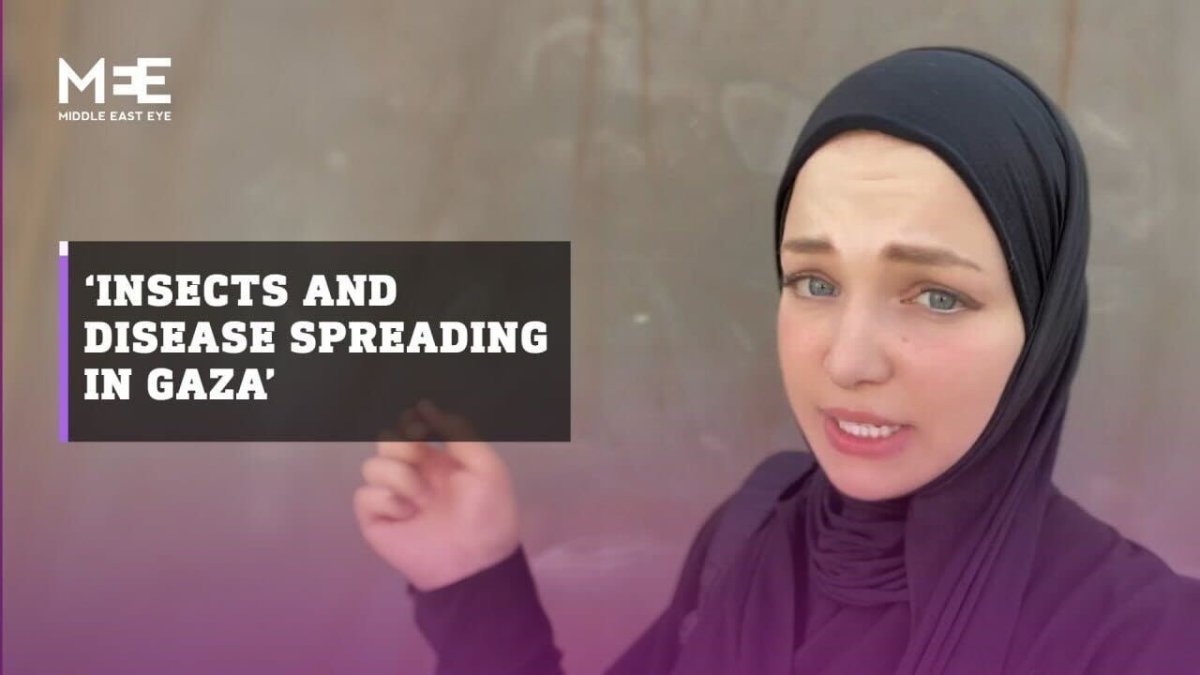
In a recent Middle East Eye report titled "Insects and infectious diseases spreading in Gaza," the video captures how sewage water flooding residential areas has created breeding grounds for disease vectors, with insects swarming through neighborhoods where essential services have collapsed. Gaza Infrastructure Collapse Drives Infectious Disease Surge as Ceasefire Fails to Rest
In a recent Middle East Eye report titled "Insects and infectious diseases spreading in Gaza," the video captures how sewage water flooding residential areas has created breeding grounds for disease vectors, with insects swarming through neighborhoods where essential services have collapsed.
Gaza Infrastructure Collapse Drives Infectious Disease Surge as Ceasefire Fails to Restore Basic Services
Gaza City, Occupied Palestinian Territories – July 13, 2026 — Nine months after a ceasefire was brokered, Israeli forces retain control of nearly 70 percent of Gaza, according to NPR reporting on July 10. Power cuts continue to plunge hospitals into darkness, as documented by Al Jazeera on July 11, while Israeli military actions have killed additional Palestinians, including a 9-year-old girl reported by the Associated Press on July 13. These conditions have accelerated the breakdown of water, sanitation, and healthcare systems, producing a documented 384-fold increase in Hepatitis A cases and the return of polio, according to health monitoring groups.
Current Disease Outbreak Situation
Project HOPE reported in June 2026 that water insecurity has worsened sharply across Gaza. The collapse of sewage systems has directly triggered the 384-fold surge in Hepatitis A infections. Polio has also re-emerged after years of absence. Médecins Sans Frontières documented a severe collapse of water and sanitation services in May 2026, noting that displacement camps lack functioning latrines and waste removal. Residents describe children developing skin infections and gastrointestinal illnesses within days of exposure to standing sewage. Local health workers report that diagnostic capacity has fallen because laboratories operate without reliable electricity.
Water and Sanitation Collapse
MSF teams recorded that sewage networks damaged during earlier fighting have not been repaired. Wastewater now flows openly through streets in multiple districts of Gaza City and Khan Younis. Project HOPE assessments from June 2026 found that most displaced families receive less than the minimum daily water allocation recommended by humanitarian standards. Families collect water from distant distribution points that are frequently interrupted by ongoing military activity. The absence of chlorination and filtration has allowed bacterial and viral contamination to spread rapidly through the remaining supply lines.
Healthcare System Under Power Cuts
Al Jazeera reported on July 11 that repeated power cuts leave Gaza hospitals without lighting or functioning equipment for hours each day. Generators run out of fuel because supply routes remain restricted. Staff at Al-Shifa Hospital and other facilities describe operating theaters that must pause mid-procedure when electricity fails. Vaccination campaigns against polio and Hepatitis A have been halted in several areas because cold-chain storage cannot be maintained. The Palestinian Ministry of Health, operating under severe constraints, has recorded rising mortality among patients with chronic conditions who cannot access dialysis or oxygen support during blackouts.
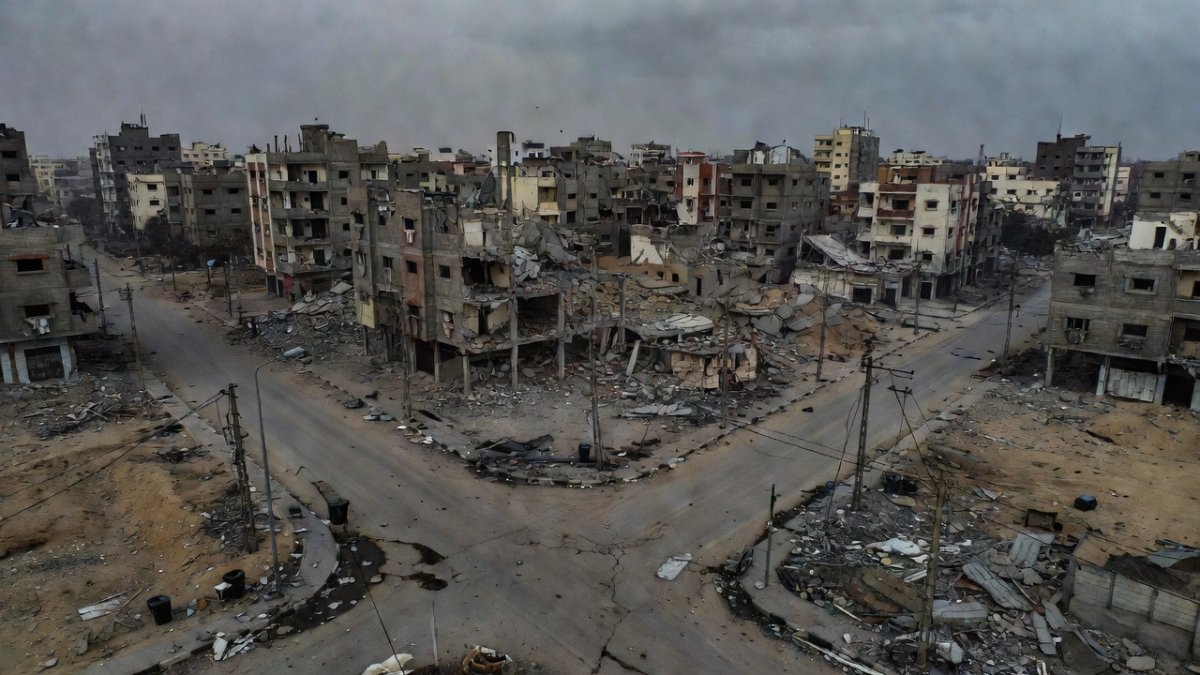
Broad Infrastructure Destruction
Israeli control of nearly 70 percent of Gaza territory, as reported by NPR in July 2026, has prevented large-scale repair crews from reaching damaged pumping stations and treatment plants. Hamas dissolved its government in early July 2026 and offered to transfer authority to a U.S.-backed administration, yet no administrative transition has restored service delivery. Roads connecting water facilities remain impassable in many zones. The cumulative effect is that water treatment capacity stands at a fraction of pre-2023 levels, with no timeline for full restoration under current access restrictions.
International Response and Analysis
Humanitarian organizations including MSF and Project HOPE have issued repeated appeals for unrestricted access to repair crews and fuel supplies. No major donor conference has produced commitments sufficient to address the scale of infrastructure loss. Analysts note that the continuation of Israeli military operations, including the July 13 incident that killed a 9-year-old girl, sustains the displacement that prevents families from returning to areas where limited services still function. The absence of a functioning local authority following Hamas’s dissolution has further complicated coordination of emergency water trucking and sanitation interventions.
Human Impact and What This Means for Civilians
Displaced families living in tents and damaged buildings describe daily routines shaped by the search for clean water and the management of illness. Mothers report that children suffer repeated bouts of diarrhea that prevent school attendance even where classes have resumed. Elderly residents with limited mobility face heightened risk because they cannot reach distant water points. Community leaders emphasize that the combination of disease, displacement, and restricted movement has eroded any remaining sense of stability nine months after the ceasefire announcement. Without rapid restoration of water and power infrastructure, health workers warn that additional outbreaks will continue to emerge among a population already weakened by prolonged conflict.
By Fatima Al-Rashid, Staff Writer
This article was produced with AI-assisted research and editorial support. Reporting is based on sources cited in the article.
What's Your Reaction?
 Like
0
Like
0
 Dislike
0
Dislike
0
 Love
0
Love
0
 Funny
0
Funny
0
 Wow
0
Wow
0
 Sad
0
Sad
0
 Angry
0
Angry
0

Gulf/MENA Correspondent at Global1.News. Based in Doha, covering Gulf politics, energy markets, diplomacy, and development across the Middle East and North Africa. Tracks the economic transformation of the Gulf states.









Comments (0)