
Israel and Lebanon Hold Fourth Round of Washington Talks as Fighting Continues
In a recent i24NEWS report titled "Fourth round of Israel-Lebanon talks as fighting ongoing," Israeli and Lebanese delegations convened for the fourth round of direct negotiations at the US State Department in Washington. The talks focus on restoring Lebanon's sovereignty while addressing Israel's security requirements along the northern border. Israeli Ambassador to Washington
In a recent i24NEWS report titled "Fourth round of Israel-Lebanon talks as fighting ongoing," Israeli and Lebanese delegations convened for the fourth round of direct negotiations at the US State Department in Washington. The talks focus on restoring Lebanon's sovereignty while addressing Israel's security requirements along the northern border. Israeli Ambassador to Washington Yechiel Leiter and Lebanese Ambassador Nada Moawad participated as key figures in these sessions, with US Secretary of State Marco Rubio serving as mediator.
Israel and Lebanon Hold Fourth Round of Washington Talks as Hezbollah Rejects Ceasefire and Cross-Border Fighting Continues
Jerusalem, Israel – June 2026 — Diplomatic efforts between Israel and Lebanon entered their fourth round this week as delegations met at the US State Department in Washington, even as Hezbollah rejected the ceasefire framework and cross-border exchanges continued across southern Lebanon and northern Israel. The parallel tracks of diplomacy and military operations underscore the complex challenge facing negotiators.
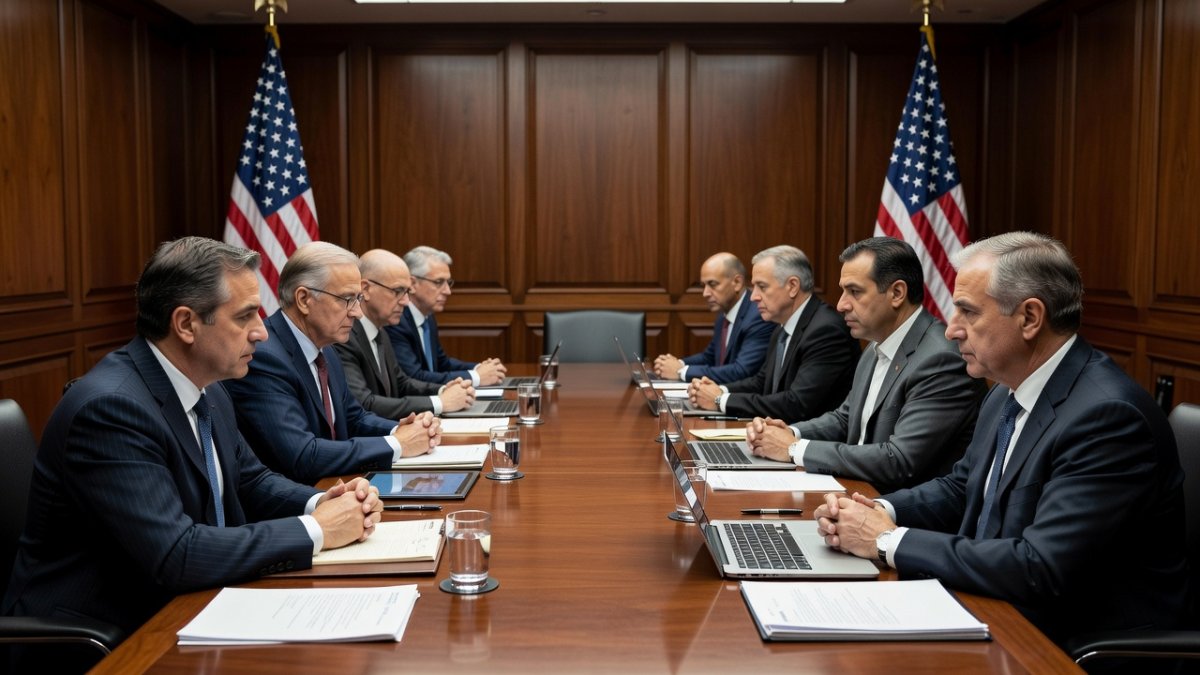
Progress Reported on Political and Security Tracks
US State Department spokesman Tommy Pigott confirmed that progress continues on both political and security tracks during the Washington meetings. The negotiations seek to establish arrangements that prevent future attacks from Lebanese territory into northern Israel. Israeli officials have tied any agreement to concrete steps that remove Hezbollah's military infrastructure near the border.
US Secretary of State Marco Rubio told the Senate Foreign Relations Committee that Israel holds no territorial claims in Lebanon and identified Hezbollah as the central impediment to stability. This statement aligns with Israel's position that the conflict stems directly from Hezbollah's March 2 attack on Israeli positions in support of Iran. Rubio's remarks underscore Washington's view that Hezbollah's presence blocks implementation of prior understandings reached under UN Security Council Resolution 1701.
Lebanese Positions and Ceasefire Proposals
Lebanese Prime Minister Nawaf Salam described the talks as the least costly choice for Lebanon amid ongoing hostilities. The Lebanese delegation has engaged on frameworks that would limit Hezbollah operations south of the Litani River, a longstanding international demand. Israeli negotiators have insisted on verification mechanisms to enforce such limits, including monitoring stations and inspection regimes.
Trump indicated that any ceasefire would be extended by three weeks to allow further diplomatic movement. Israeli Prime Minister Benjamin Netanyahu set a two-to-three-week deadline for the Lebanon talks to produce measurable results. Israeli Defense Minister Israel Katz outlined a new equation under which Beirut's southern suburbs would face targeting if Hezbollah fires rockets or missiles at Israel. Katz told reporters that Israel had established a new deterrent reality.
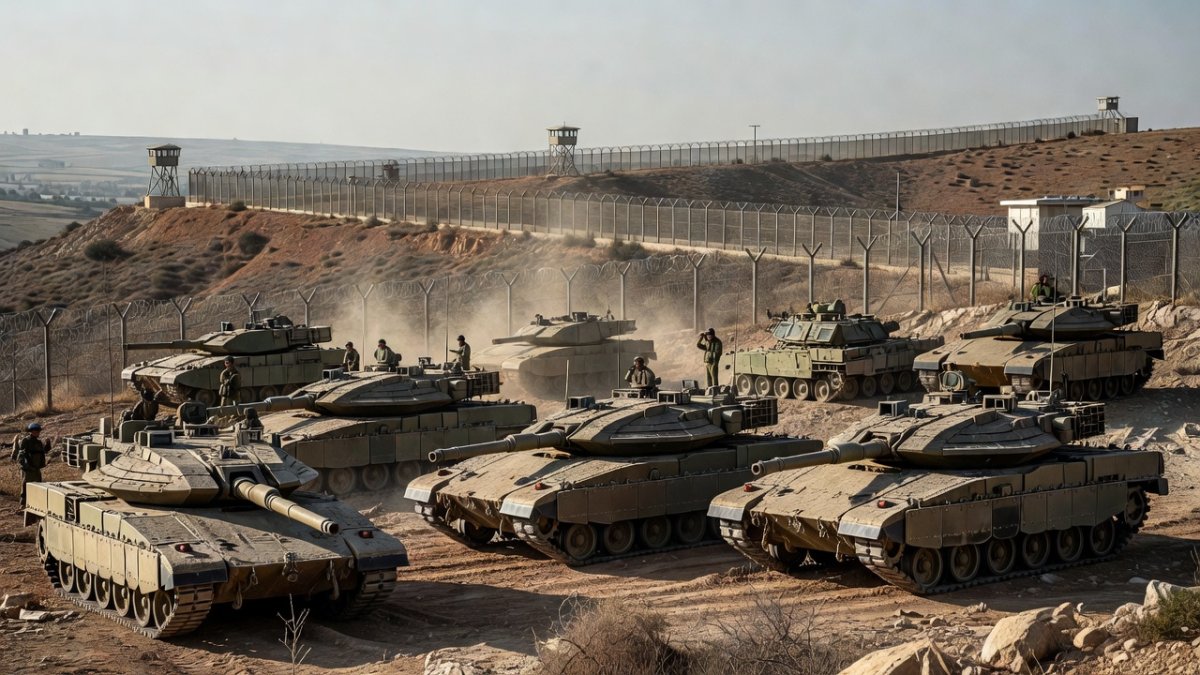
Hezbollah Rejection of Ceasefire Terms
Hezbollah rejected the ceasefire plan previously agreed by Lebanese and Israeli officials. Senior Hezbollah official Mahmud Qomati stated that the group will not accept a partial ceasefire. This position maintains Hezbollah's demand for a comprehensive deal that includes broader regional concessions and has placed the Lebanese government in a difficult position between international diplomatic expectations and the armed group's veto power.
The rejection comes as fighting persists across the border. Israel struck roughly 30 locations in southern Lebanon in recent days, targeting Hezbollah launch sites, observation posts, and weapons storage facilities. Hezbollah responded by attacking Israeli troops in areas it claims as occupied, launching rockets and drones toward military positions near the border. These exchanges have prevented the return of residents to communities in northern Israel that have faced repeated rocket fire since March 2.
Casualties and Human Cost of the Conflict
The death toll in Lebanon has reached 3,465 killed since March 2, according to the Lebanese Health Ministry. Israeli strikes in the south alone killed five people on Tuesday and wounded 48, including a doctor and five employees of Tebnine Governmental Hospital. On the Israeli side, at least 26 soldiers and one civilian contractor have been killed in operations against Hezbollah positions during the same period.
Northern Israeli communities remain displaced or under daily threat due to Hezbollah's rocket and drone capabilities. Israeli security assessments link the continuation of these attacks to Hezbollah's refusal to accept the proposed ceasefire framework. The IDF has conducted operations to degrade launch sites threatening towns near the border, including Kiryat Shmona, Metula, and communities along the Galilee panhandle. The broader conflict has displaced approximately 1.2 million people in Lebanon and tens of thousands in northern Israel.
Iranian Influence on Lebanese Negotiations
Iran has used Lebanon as a bargaining chip in its separate talks with the United States. The Lebanese president stated that Iran made a Lebanon ceasefire a condition for any deal with Washington. This linkage demonstrates Tehran's strategy of leveraging Hezbollah's military presence to extract concessions on other files, including nuclear negotiations and sanctions relief.
Israeli officials view this Iranian role as a direct threat to regional stability. The March 2 Hezbollah attack that opened the current round of fighting was explicitly framed as support for Iran, following the US-Israeli strikes on Tehran on February 28. Netanyahu's government has argued that any durable agreement must address Hezbollah's Iranian-supplied weapons and command structure, including the precision-guided missile program that poses the greatest threat to Israeli population centers.
Implications for Israeli Security and Regional Dynamics
The fourth round of talks occurs against the backdrop of Hezbollah's continued operational capacity near the border. Israeli security concerns center on preventing a repeat of the October 7-style attack scenario from the north. The presence of Hezbollah fighters and infrastructure in southern Lebanon villages directly affects daily life for residents of northern Israel, many of whom have been evacuated since March.
Israeli institutions including the IDF and Foreign Ministry have coordinated the Washington channel alongside military pressure. Katz's new equation of targeting Beirut's southern suburbs in response to rocket fire represents an escalation in deterrence signaling. This approach aims to raise the cost for Hezbollah leadership operating from the capital, though it also carries risks of further escalation and civilian casualties.
The negotiations also intersect with broader US efforts to stabilize the region. Rubio's Senate testimony highlighted Hezbollah as the obstacle to Lebanese sovereignty. Israeli analysts note that successful talks would reduce Iran's ability to open a second front against Israel while it engages in nuclear and sanctions discussions with Washington. Failure to reach an agreement within Netanyahu's stated timeline risks renewed large-scale operations in southern Lebanon. The IDF has already expanded strikes on Hezbollah targets following the group's rejection of the ceasefire plan. These developments keep northern Israeli communities under heightened alert and limit prospects for their return home in the near term, as the window for a diplomatic solution narrows.
By Hannah Berg, Staff Writer
This article was produced with AI-assisted research and editorial support. Reporting is based on sources cited in the article.
What's Your Reaction?
 Like
0
Like
0
 Dislike
0
Dislike
0
 Love
0
Love
0
 Funny
0
Funny
0
 Wow
0
Wow
0
 Sad
0
Sad
0
 Angry
0
Angry
0
Israel Correspondent at Global1.News. Based in Tel Aviv, covering Israeli politics, security, technology, and society. Provides balanced, deeply-sourced reporting on one of the most closely-watched regions in the world.










Comments (0)