
Unwanted Guests: The Arts Confront Turkey's Treatment of Syrian Refugees
The Spark of Compassion in Istanbul's Streets One summer evening in 2013, Turkish film director Andac Haznedaroglu encountered a moment that would reshape her understanding of Turkey's response to those fleeing the Syrian conflict. While driving through Istanbul, a mother clutching her sick child stepped in front of her car seeking urgent assistance. Haznedaroglu spent hours na
The Spark of Compassion in Istanbul's Streets
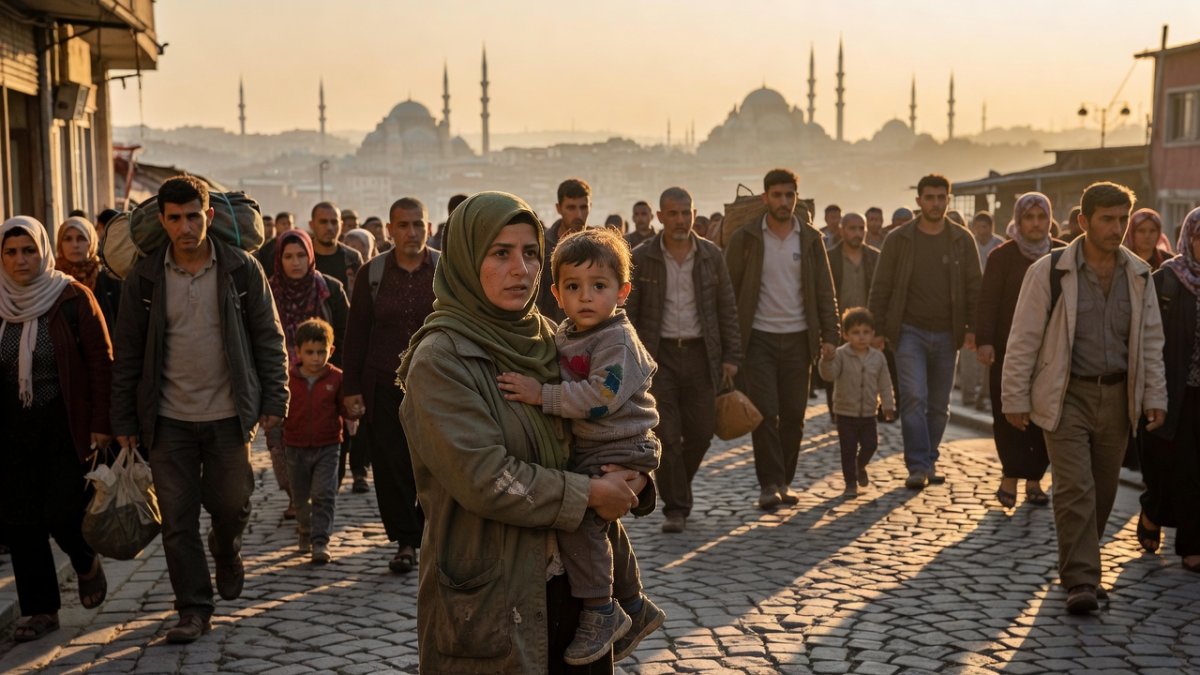
One summer evening in 2013, Turkish film director Andac Haznedaroglu encountered a moment that would reshape her understanding of Turkey's response to those fleeing the Syrian conflict. While driving through Istanbul, a mother clutching her sick child stepped in front of her car seeking urgent assistance. Haznedaroglu spent hours navigating four different hospitals in search of care, only to confront the gap between official claims and lived reality. This experience became a pivotal scene in her film Misafir, highlighting how widespread assertions about state support for refugees often failed to match the struggles on the ground.
Such encounters reveal the human cost of displacement across the Middle East, where families uprooted by war seek safety only to face new barriers. Haznedaroglu's work draws attention to these daily realities, echoing the experiences of countless others who have crossed borders in search of dignity.
Turkey's Massive Refugee Burden and Shifting Sentiments
Turkey continues to host the world's largest refugee population, sheltering more than 3.5 million Syrians who fled the devastation of their homeland. What began with gestures of hospitality toward these arrivals has given way to growing resentment among many Turkish citizens. A 2018 poll by Istanbul Bilgi University's Centre for Migration Research found that over 70 percent of respondents believed Syrian refugees were taking jobs from locals, while two-thirds attributed rising crime rates to their presence.
This shift in public attitude reflects broader pressures on resources and social cohesion in a country already navigating economic challenges. The term "guests," once used to describe those arriving from Syria, now carries undertones of fatigue and exclusion, underscoring how prolonged conflict strains even the most generous hosts.
Cinema as a Mirror: Misafir and the Human Face of Displacement
Haznedaroglu's Misafir stands out as one of the few Turkish dramas to center the stories of Syrian refugees. The narrative follows Lena, a young Syrian girl who loses her parents and crosses the border alongside her neighbor Maryam. Through these characters, the film portrays the isolation and uncertainty that define life after fleeing violence, moving beyond statistics to capture personal loss and resilience.
Haznedaroglu has noted that hostility often surfaces most sharply among educated and affluent segments of society, who lament changes in tourism patterns while overlooking the deeper causes of migration. Her point of departure was this disconnect, using cinema to challenge narratives that reduce refugees to burdens rather than individuals with histories and hopes.
Literature's Role: Ahmet Umit's Scream of the Swallow
Best-selling author Ahmet Umit has similarly turned to fiction to illuminate the conditions facing Syrian refugees. In his novel Scream of the Swallow, police officer Nevzat investigates murders while observing the overcrowded and precarious living situations of those displaced. A key passage features his lover Evgenia reflecting on migratory swallows that perish in storms, with survivors crying out in anguish over lost companions upon reaching new skies.
Umit emphasizes that homeland extends beyond land and flag to encompass humanity itself. He observes how displays of national symbols by refugees can be misinterpreted as threats within a culture that prioritizes territorial identity, yet he insists that cruelty in the name of protection undermines the very meaning of belonging.
The Taksim Incident and the Surge of Nationalism
Tensions reached a peak when a group of young Syrian men danced in Taksim Square on New Year's Eve, waving an opposition flag and chanting slogans. Video of the event circulated widely on Turkish Twitter, prompting thousands to post under the hashtag #ÜlkemdeSuriyeliİstemiyorum, expressing outright rejection of Syrians in the country. This episode crystallized existing discontent fueled by both refugee arrivals and Arab tourism in Istanbul.
Haznedaroglu points out that the flag's unfurling carried symbolic weight directed more at the international community than at Turkish society, as Syrian opposition groups accused global powers of ignoring atrocities under Bashar al-Assad's government. Such moments expose how acts of visibility can ignite backlash in environments already primed by economic strain and political rhetoric.
Parallels to Palestinian Struggles: A Regional Perspective on Refuge and Rejection
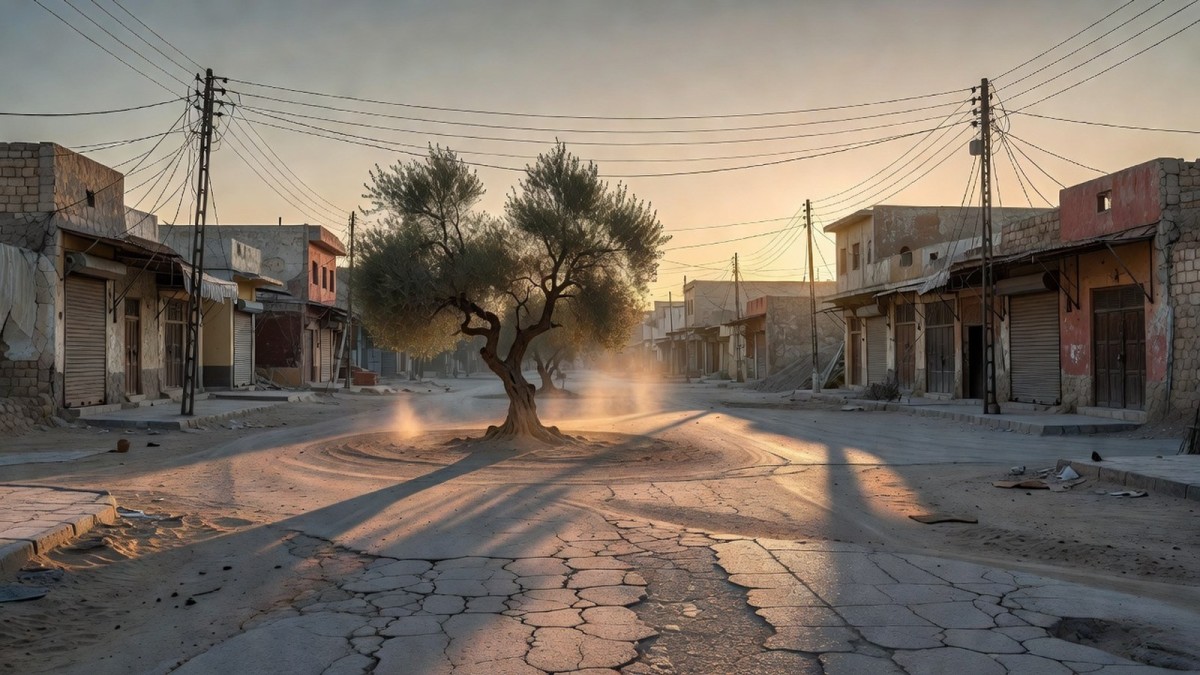
The experiences documented in these Turkish artistic works resonate deeply with the long-standing realities faced by Palestinian refugees across the region. Generations displaced by conflict and occupation have similarly encountered shifting welcomes, restrictive policies, and narratives that frame their presence as temporary or burdensome. Just as Syrian families in Turkey navigate hospitals, housing shortages, and public suspicion, Palestinians have built lives amid repeated displacements while advocating for recognition of their humanity.
Both contexts illustrate how regional conflicts produce overlapping waves of migration, testing the capacities of neighboring states and exposing inconsistencies in international responses. Artistic interventions like those of Haznedaroglu and Umit serve as reminders that policies affecting refugees ultimately shape the moral fabric of societies, demanding attention to dignity over division.
Through sustained storytelling, these creators push against the dehumanization that allows hostility to flourish. Their efforts connect individual stories of loss to wider patterns of injustice, urging audiences to see refugees not as abstract problems but as people whose struggles mirror those endured by others in the Middle East for decades.
By Fatima Al-Rashid, Staff WriterThis article was produced with AI-assisted research and editorial support. Reporting is based on sources cited in the article.
What's Your Reaction?
 Like
0
Like
0
 Dislike
0
Dislike
0
 Love
0
Love
0
 Funny
0
Funny
0
 Wow
0
Wow
0
 Sad
0
Sad
0
 Angry
0
Angry
0

Gulf/MENA Correspondent at Global1.News. Based in Doha, covering Gulf politics, energy markets, diplomacy, and development across the Middle East and North Africa. Tracks the economic transformation of the Gulf states.









Comments (0)