
Iran Deal Signed, Strait of Hormuz Reopens — But the Peace Is Already Crumbling
The Deal That Almost Wasn't The US and Iran signed a memorandum of understanding in Switzerland on June 14-15, 2026, with Pakistan serving as mediator. Trump announced the impending agreement on June 13, stating that the deal would be signed the next day and that the Strait of Hormuz would open to all traffic immediately afterward. This announcement came after months of escalat
The Deal That Almost Wasn't
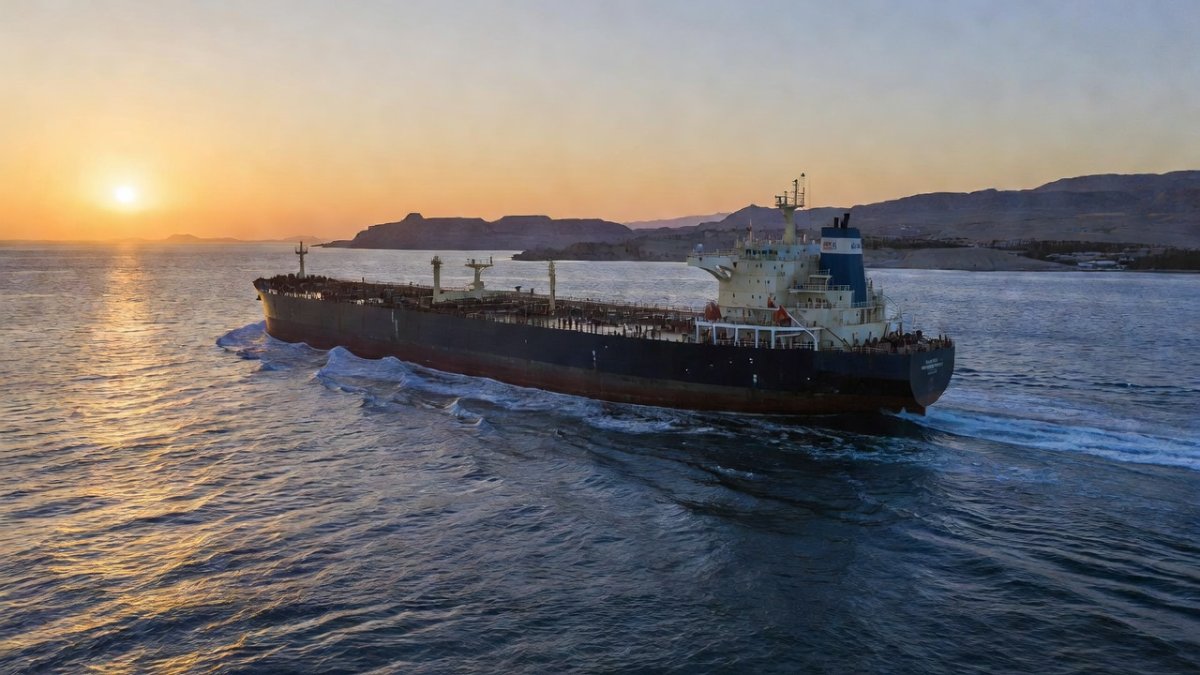
The US and Iran signed a memorandum of understanding in Switzerland on June 14-15, 2026, with Pakistan serving as mediator. Trump announced the impending agreement on June 13, stating that the deal would be signed the next day and that the Strait of Hormuz would open to all traffic immediately afterward. This announcement came after months of escalating tensions that defined the 2026 Strait of Hormuz crisis, which began earlier in the year when Iran started targeting oil tankers in response to broader regional pressures. The United States countered with a naval blockade on Iranian ports, a move that sent oil prices spiking globally and elevated the crisis to a central issue in Middle East geopolitics.
The core terms centered on a ceasefire, Iran's reopening of the Strait of Hormuz, the United States ending its naval blockade of Iranian ports, and sanctions relief for Iran. The nuclear issue remained outside the initial framework entirely. Trump's administration had entered office after the 2024 election pursuing a policy of maximum pressure that included the naval blockade. His team had previously denounced sanctions relief as appeasement, making the pivot to this agreement a notable departure from earlier positions. Pakistan's role as mediator added an unexpected layer of diplomacy, bridging two adversaries whose relations have long been marked by mutual suspicion and proxy conflicts across the region.
Background context reveals how the crisis disrupted global energy routes, with the Strait of Hormuz serving as a critical chokepoint for roughly one-fifth of the world's oil supply. The memorandum's focus on immediate de-escalation allowed for rapid movement on energy transit without tackling deeper nuclear concerns. This structure reflected a pragmatic calculation by the Trump team, shifting from blockade tactics to phased sanctions relief in hopes of stabilizing markets. Yet the exclusion of nuclear matters left the agreement vulnerable, as future talks would confront entrenched positions without the initial momentum. The $300 billion international investment package discussed as part of the post-deal framework underscored the economic stakes, tying sustained access through the strait to broader reconstruction prospects for Iran and stability for global oil consumers.
(Global 1 News)
Oil Flows Through Hormuz — For Now
On June 14, Trump posted on social media that ships of the world should start their engines and let the oil flow. He authorized an end to the US naval blockade of Iranian ports at that time. This directive marked a swift reversal from the maximum pressure campaign that had defined early months of the administration, responding directly to the disruptions caused by Iran's earlier tanker targeting. The announcement aimed to reassure global markets rattled by price spikes and supply uncertainties stemming from the blockade's enforcement.
By June 19, oil tankers began sailing through the Strait of Hormuz. CENTCOM reported that 55 ships carrying 17 million barrels of oil transited unhindered. Iran's Foreign Ministry confirmed that the strait was open. These concrete movements demonstrated the immediate economic value of the agreement, as tankers resumed routes that had been choked off during the height of the crisis. The data from CENTCOM provided verifiable evidence of progress, highlighting how even a temporary reopening could ease pressures on international energy prices and supply chains dependent on Middle East crude.
Yet the IRGC claimed it had re-closed the strait, citing Israeli strikes on Lebanon that killed at least 32 people. This immediate contradiction underscored how fragile the reopening remained from the outset. The $300 billion international investment package discussed as part of the post-deal framework highlighted the economic stakes tied to sustained access through the strait. Any renewed closure would directly threaten those investment prospects and global oil supply routes. Historical patterns in US-Iran relations show that energy leverage has often served as a bargaining chip, with past crises demonstrating how quickly flows can halt amid regional flare-ups. The 17 million barrels that moved on June 19 offered a glimpse of potential stability, yet the IRGC's counter-claim illustrated the competing authorities within Iran that could undermine the framework before broader implementation takes hold.
Netanyahu, Lebanon, and the Fractures in the Coalition
Israeli Prime Minister Netanyahu stated that Israel would not withdraw from southern Lebanon, directly flouting the terms of the US-Iran deal. Axios reported that Trump had an expletive-laden call with Netanyahu over Israel's escalation in Lebanon. These developments exposed deep rifts in the coalition that had backed the earlier maximum pressure strategy, as Israel's actions in Lebanon risked derailing the ceasefire before it could solidify. Netanyahu's position reflected domestic political calculations, where maintaining a foothold in southern Lebanon serves security interests amid ongoing threats from Hezbollah and other groups.
Vice President JD Vance defended the Iran agreement and rebuked Israeli ministers Itamar Ben-Gvir and Bezalel Smotrich for criticizing it. These public divisions revealed cracks in the coalition that had supported the earlier maximum pressure approach. The rebuke from Vance signaled an effort by the Trump administration to insulate the deal from hardline Israeli voices, prioritizing the Hormuz reopening and sanctions relief over unified front-line support. Trump's later description of the ceasefire as being on massive life support and unbelievably weak captured the administration's own assessment of its precarious state, influenced by Israel's refusal to align with withdrawal terms.
Background on the crisis shows how Lebanon's theater has long intersected with Hormuz tensions, with Israeli operations amplifying Iran's incentives to assert control over the strait. The expletive-laden call reported by Axios highlighted personal strains between Trump and Netanyahu, testing an alliance forged during the 2024 campaign. For Netanyahu, domestic calculus involves balancing coalition partners like Ben-Gvir and Smotrich against international pressure, while the US side weighs energy market stability against traditional alliances. The fractures threaten to prolong the very disruptions the June 14-15 memorandum sought to resolve, as continued Lebanese operations could prompt further IRGC responses and erode the phased sanctions relief pathway.
The Nuclear Question That Wasn't Answered
The nuclear issue was explicitly excluded from the initial framework signed in Switzerland. This omission left one of the most contentious elements of US-Iran relations unaddressed in the memorandum of understanding. By design, the deal narrowed its scope to ceasefire terms, Hormuz access, blockade termination, and sanctions relief, allowing quicker progress on energy flows without entangling negotiators in the complex verification demands that have stalled prior talks. Iran's Supreme Leader Khamenei warned that talks ahead will not be easy, underscoring the challenges that lie in deferring this file.
The absence of nuclear provisions meant that future negotiations would need to tackle this topic without the momentum of the June 14-15 agreement. Historical context from US-Iran relations reveals repeated cycles where nuclear concerns have overshadowed economic or maritime issues, often leading to renewed sanctions and blockades. The 2026 crisis itself grew partly from these unresolved dynamics, as Iran's tanker targeting responded to accumulated pressures including nuclear-related restrictions. Keeping the nuclear file separate enabled the memorandum's focus on immediate de-escalation but deferred harder questions that have defined bilateral ties for decades.
Implications for global energy markets are significant, since any future nuclear impasse could reignite Hormuz closures and price volatility. The $300 billion investment package hinges on sustained stability that nuclear talks might disrupt. Khamenei's cautionary note signals Iran's intent to approach these discussions from a position of leverage gained through the strait's reopening, while the Trump administration's shift from maximum pressure reflects a pragmatic recognition that nuclear resolution requires separate sequencing. This structure buys time for oil to flow but risks leaving the agreement as an incomplete bridge if nuclear issues resurface amid ongoing regional strains.
What Happens Next
Trump threatened to impose US tolls in the Strait of Hormuz if a final deal was not reached within 60 days, describing the fees as payment for services rendered as the guardian angel to the countries of the Middle East. This ultimatum introduced a new enforcement mechanism tied directly to the memorandum's timeline, aiming to pressure both sides toward completion while leveraging America's naval presence. The 60-day window now runs alongside ongoing Israeli operations in Lebanon and the IRGC's claims about the strait, creating overlapping pressures that could accelerate or collapse progress.
Swiss peace talks on June 21 were thrown into chaos after the Iranian delegation walked out. This walkout occurred less than a week after the memorandum of understanding was signed, signaling immediate difficulties in advancing the framework. The collapse highlighted how quickly diplomatic momentum can evaporate when regional actors like Israel pursue independent actions in Lebanon, directly contradicting the ceasefire terms. Any extension of the current tensions risks collapsing the limited progress achieved in mid-June, as the walkout demonstrated Iran's willingness to exit talks when core interests appear threatened.
Background on the crisis illustrates the high stakes for global oil markets, where even brief closures have historically driven price surges affecting economies worldwide. The mediation by Pakistan and the involvement of CENTCOM in monitoring transits add layers of international oversight, yet the 60-day deadline places the burden on rapid follow-through. Trump's toll threat represents a novel twist on the guardian role, potentially reshaping Hormuz governance if talks falter. With the ceasefire already described as unbelievably weak, the coming period will test whether phased sanctions relief can hold amid these competing claims and the unresolved nuclear file.
The Bottom Line
A CNN analysis by Stephen Collinson summed up the situation by noting that making peace with Iran is going to be just as painful as waging war. The rapid sequence from signing to walkout and renewed threats illustrates how narrow the path forward remains. The reopening of the Strait of Hormuz to 55 ships carrying 17 million barrels demonstrated the immediate economic value of the agreement, offering relief to markets strained by the earlier blockade and price spikes. Yet the IRGC's counter-claim, Netanyahu's stance on Lebanon, and the 60-day deadline for further progress show that enforcement depends on actors who have already signaled resistance.
With the nuclear issue still off the table and the ceasefire described by Trump himself as unbelievably weak, the June 2026 memorandum stands as a temporary bridge rather than a durable settlement. The coming weeks will test whether the oil flow through Hormuz can continue without new disruptions from any side. Domestic political calculus for both Trump and Netanyahu adds complexity, as each leader navigates coalition pressures while the $300 billion investment package hangs in the balance. Historical patterns suggest that energy chokepoints like the strait often become flashpoints when broader regional conflicts, such as those in Lebanon, intersect with bilateral deals.
The mediation process involving Pakistan provided an initial breakthrough, but the Swiss walkout and IRGC assertions reveal the limits of that momentum. Global energy markets remain exposed, as any re-closure could reverse the gains from the 17 million barrels that transited on June 19. The framework's exclusion of nuclear matters allows short-term focus on sanctions relief and blockade termination, yet this deferral risks future instability. As the 60-day clock ticks, the deal's survival depends on whether all parties can align on enforcement despite evident fractures, underscoring the painful trade-offs inherent in this latest chapter of US-Iran engagement.
By Jessica Ali, Staff WriterThis article was produced with AI-assisted research and editorial support. Reporting is based on sources cited in the article.
What's Your Reaction?
 Like
0
Like
0
 Dislike
0
Dislike
0
 Love
0
Love
0
 Funny
0
Funny
0
 Wow
0
Wow
0
 Sad
0
Sad
0
 Angry
0
Angry
0

Editor-in-Chief at Global1.News. Atlanta-based journalist who cuts through the BS and tells it like it is. Lead anchor, host, and the voice you hear when the spin stops and the truth starts.











Comments (0)