
Russia's FAS Responds to Fuel Market Shortages and...
Federal Anti-Monopoly Service Coordinates Response to Fuel Market Pressures Russia's Federal Anti-Monopoly Service announced on Monday that it is coordinating with leading e-commerce and classifieds platforms to curb speculative resale of fuel. The measures respond to shortages that the Energy Ministry has linked to Ukrainian drone strikes on domestic oil infrastructure. The ag
Federal Anti-Monopoly Service Coordinates Response to Fuel Market Pressures
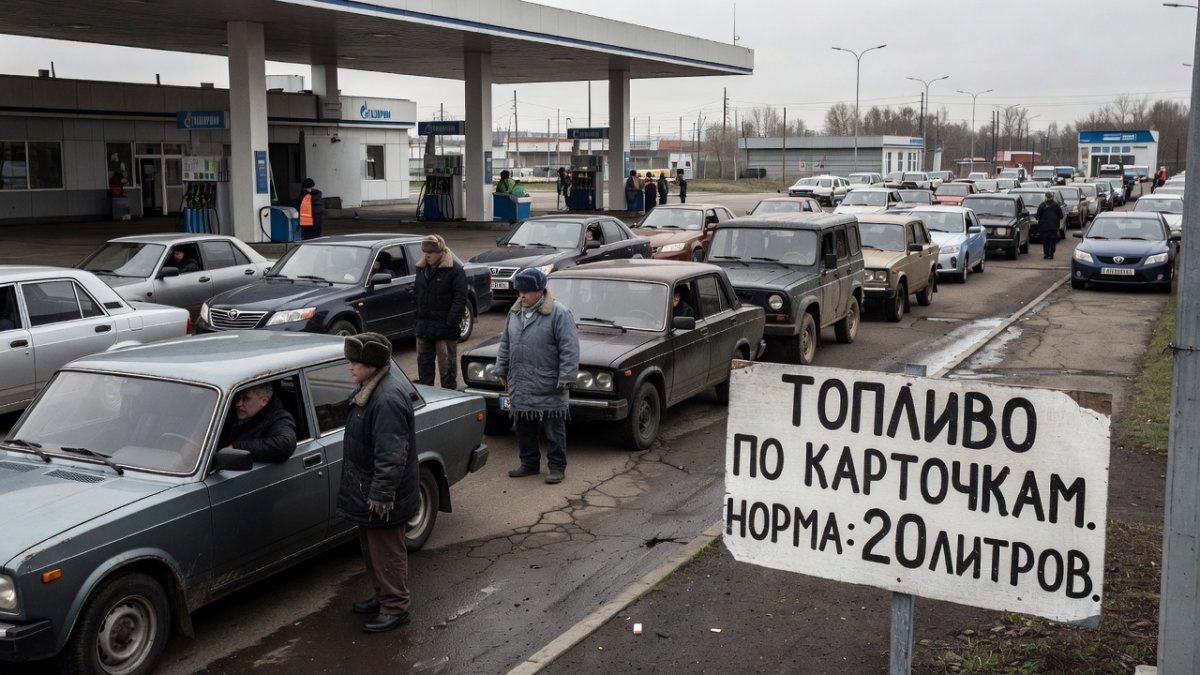
Russia's Federal Anti-Monopoly Service announced on Monday that it is coordinating with leading e-commerce and classifieds platforms to curb speculative resale of fuel. The measures respond to shortages that the Energy Ministry has linked to Ukrainian drone strikes on domestic oil infrastructure.
The agency stated that these steps form part of a broader effort to stabilize supply across retail and wholesale channels. Officials emphasized that the actions target artificial price inflation rather than legitimate commercial activity.
Marketplace Policy Changes at Avito, Ozon and Wildberries
Avito has temporarily removed all advertisements involving fuel trading while it revises its listing rules, according to Interfax. The platform's decision aligns with the Federal Anti-Monopoly Service directive issued earlier this week.
Ozon and Wildberries have implemented outright bans on gasoline sales through their marketplaces. Both companies cited compliance with regulatory guidance aimed at preventing unauthorized distribution during the current supply constraints.
These platform-level restrictions affect millions of users who previously relied on online channels for small-volume fuel purchases, particularly in remote areas where physical stations are limited.
Heightened Oversight of Agricultural Fuel Distribution
The Federal Anti-Monopoly Service directed its regional offices to increase monitoring of fuel transactions within the agricultural sector. Inspections will focus on oil depots, storage facilities and retail outlets serving farms.
Authorities aim to ensure that allocated volumes reach intended recipients rather than being diverted for resale. The agricultural season coincides with peak summer demand, amplifying the need for strict compliance checks.
Regional branches have been instructed to report irregularities promptly to the central office in Moscow, creating a tighter feedback loop between local markets and federal regulators.
Regional Rationing and Price Developments Across Russia
Dozens of Russian regions, along with annexed Ukrainian territories, have introduced fuel rationing at gas stations in recent weeks. These limits vary by location but generally cap purchases per vehicle to preserve available stocks.
The average price of gasoline has risen 6.6 percent since the beginning of the year. National averages recently reached 69.11 rubles per liter, reflecting both supply constraints and increased seasonal demand.
Travel and farming activities continue despite the higher costs, though ordinary consumers report adjusting driving habits and prioritizing essential trips.
Investigations into Price Gouging and Alleged Cartel Conduct
Last week the Federal Anti-Monopoly Service opened inquiries into two gasoline retail chains operating in Moscow over possible price gouging. Separate probes target three major fuel traders suspected of coordinated actions that influenced market prices.
These cases mark an escalation in enforcement activity as authorities seek to distinguish between legitimate market responses and anti-competitive behavior. Outcomes of the investigations will determine whether further penalties are applied.
Energy Ministry Task Force and Official Acknowledgment of Infrastructure Damage
Earlier this month the Energy Ministry formed an industry-wide task force that includes Russia's largest energy corporations. The group is tasked with maintaining stable and efficient operation of the national energy sector during the current difficulties.
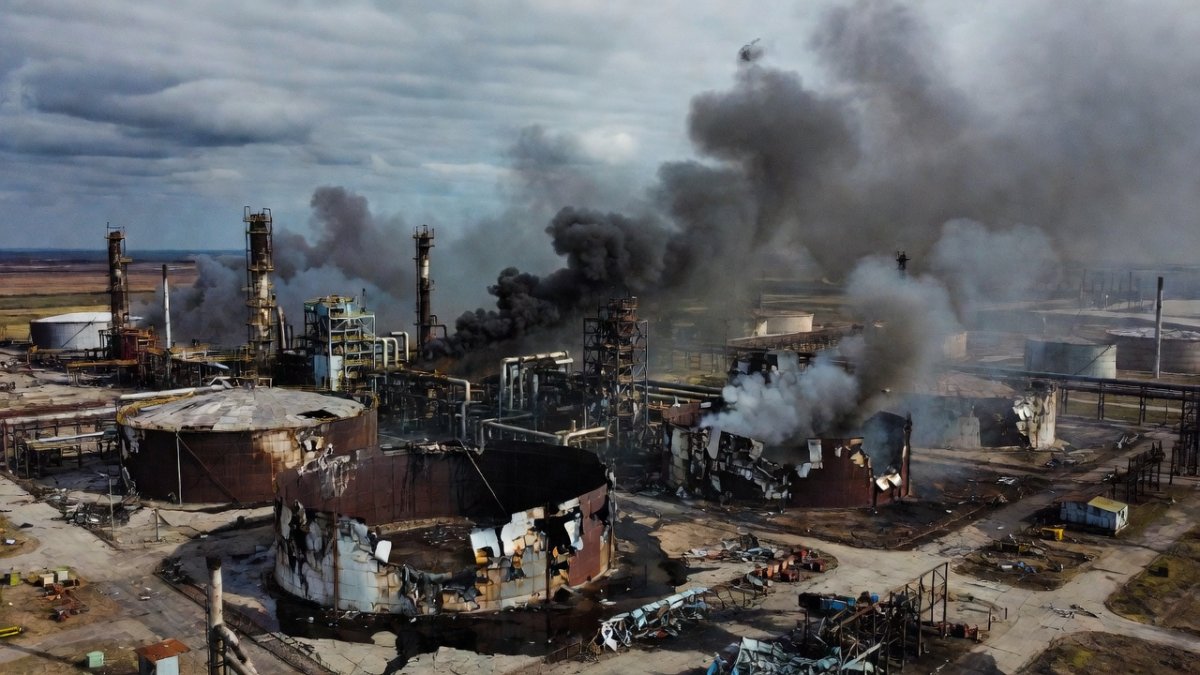
In establishing the task force, the ministry directly attributed part of the domestic fuel market strain to Ukrainian drone strikes on oil facilities. This statement represents the first official linkage of those attacks to retail shortages.
Participation by companies such as Gazprom and Rosneft underscores the coordinated approach between state regulators and major producers. The task force is expected to monitor supply chains and recommend additional protective measures as needed.
By Irina Volkov, Staff WriterThis article was produced with AI-assisted research and editorial support. Reporting is based on sources cited in the article.
What's Your Reaction?
 Like
0
Like
0
 Dislike
0
Dislike
0
 Love
0
Love
0
 Funny
0
Funny
0
 Wow
0
Wow
0
 Sad
0
Sad
0
 Angry
0
Angry
0
Russia/Eastern Europe Correspondent at Global1.News. Covering Russian politics, energy, security, and the shifting dynamics of the post-Soviet space. Provides clear-eyed analysis on one of the world's most opaque regions.













Comments (0)