
India's Protein Boom: Deficiencies, Market Growth & Excess Risks
India's nutrition landscape is shifting rapidly as consumers move beyond the traditional carbohydrate-heavy diet that supplies 62% of daily calories. With 80% of households still falling short of recommended protein levels according to ICAT and IFPI data, the country faces a clear public health gap. This deficiency stems from both limited awareness and cultural reliance on cere
India's Protein Push: Boom, Benefits, and Hidden Dangers
New Delhi, India – June 9, 2026 — Protein has moved from gym circles to mainstream Indian households, yet the transition brings both opportunities and risks within the country's healthcare and food systems. The market for protein-based products reached ₹38,000 crore in 2024 and is projected to hit ₹1.36 lakh crore by 2033, expanding at a 15% compound annual growth rate. This surge reflects changing consumer priorities but also exposes gaps in regulation and nutritional literacy across states from Delhi to Tamil Nadu.
Why Protein Deficiency Persists in Indian Diets
Indians derive 60-75% of protein from cereals that are poor in essential amino acids. Socio-economic and cultural factors play a major role, as vegetarian diets common across much of the country offer fewer high-quality sources. Many consumers lack precise knowledge of requirements based on body weight and activity levels, leading to chronic shortfalls documented by national surveys.
The Indian Council of Medical Research has long highlighted this imbalance. In urban centres like Mumbai and Bengaluru, fitness trends are raising awareness, yet rural districts continue to lag. Education campaigns tied to school nutrition programmes could address this, but progress remains uneven.
Explosive Market Growth and Industry Response
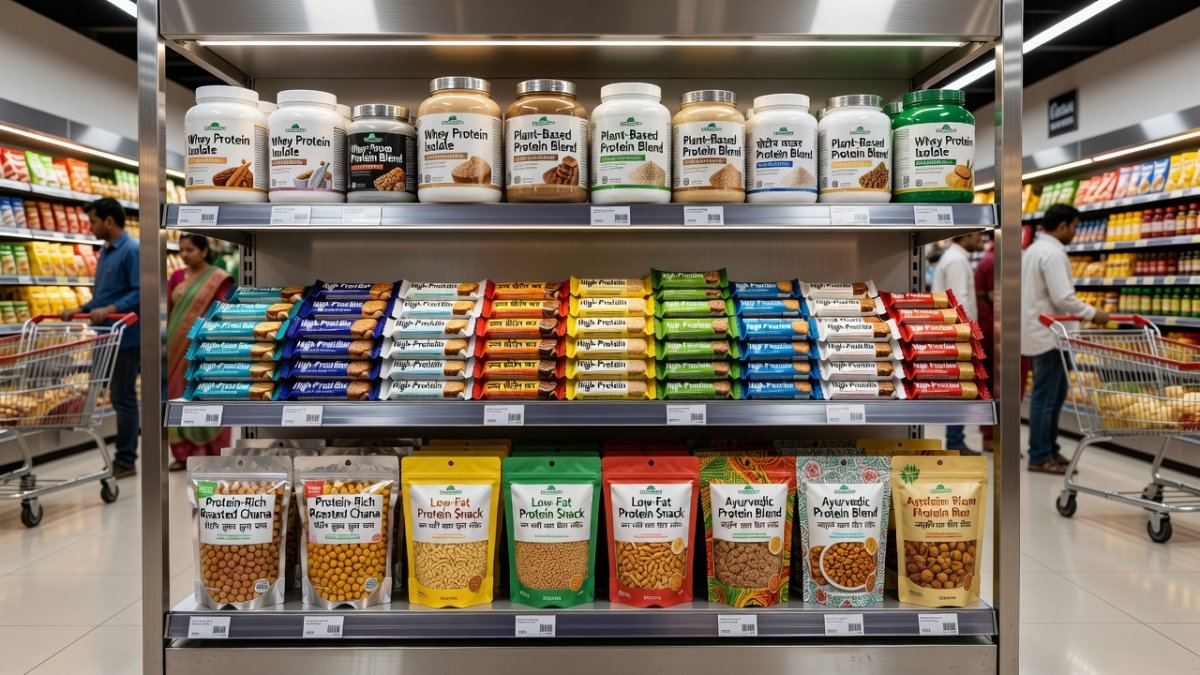
India's protein-based product market touched ₹38,000 crore in 2024 and is projected to soar to ₹1.36 lakh crore by 2033, growing at over 15% every year. Amul alone plans to launch 12 new high-protein products this year, while Milky Mist has introduced paneer packs delivering 50g of protein. New entrants such as Superu, co-founded by actor Ranveer Singh, are targeting snack categories with higher protein claims.
Protein isolate costs between ₹700 and ₹1,500 per kilo, pushing manufacturers to charge a 15-20% premium for healthier variants. Consumers appear willing to pay, yet many packaged items use minimal added protein as a marketing tactic rather than a meaningful nutritional upgrade.
Recommended Daily Intake for Indian Adults
The average Indian adult needs around 0.8 to 1g of protein per kilo of ideal body weight daily. For a 60kg individual, this translates to 50-60g of protein every day. Natural sources such as eggs, dal, paneer, nuts, chicken, fish and millets provide better amino acid profiles than many processed alternatives.
Public health messaging from the Ministry of Health must emphasise these calculations, particularly for populations in states with high vegetarian prevalence like Gujarat and Rajasthan. Without clear guidance, consumers risk both under- and over-consumption.
Health Risks of Excessive Protein Intake
When intake exceeds the body's digestive capacity, five key issues arise: digestive overload causing bloating, gas, constipation, acidity and microbiome imbalance; added burden on kidneys when water intake is low; calcium loss from bones; fermentation of excess protein in the colon disrupting gut flora; and weight gain as surplus protein converts to fat storage.
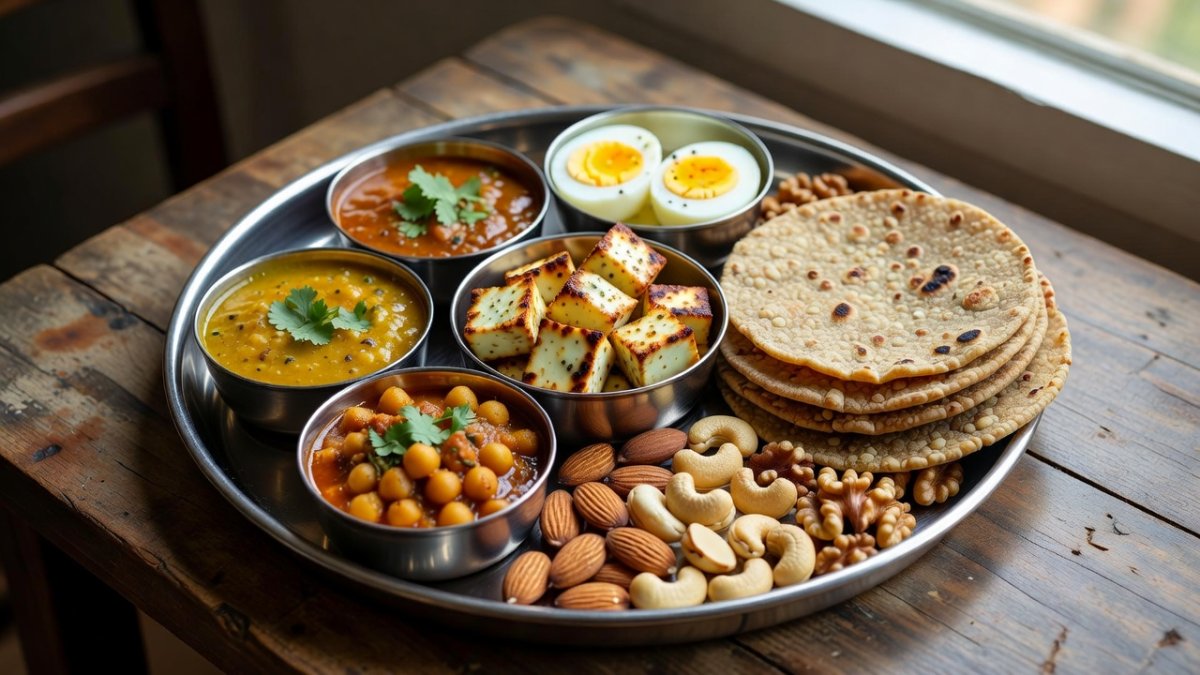
Nutritionists stress that complex carbohydrates from whole grains, oats and quinoa remain essential for sustained energy. Demonising carbs entirely ignores their role in Indian staple meals and can lead to imbalanced diets promoted through social media.
Protein Quality, Regulation and Cancer Genomics Links
Protein powders fall into an unregulated supplement category, resulting in documented cases of contaminants. Consumers must verify brands carefully rather than relying on front-of-pack claims. Protein bars and shakes often contain added sugars that offset health benefits, a practice known as protein washing.
In parallel, India's healthcare system is advancing genomic approaches to disease. One in every thousand people is affected by cancer, with nearly 15 lakh cases every single year. Family history raises risk significantly. Genomics now supports early detection and targeted treatment in 20-25% of cases overall, offering new tools within the framework of institutions such as AIIMS and ICMR.
These developments underscore the need for integrated health policy that connects nutrition, food regulation and disease management across India's diverse population.
— By Dr. Raj Patel, Staff WriterThis article was produced with AI-assisted research and editorial support. Reporting is based on sources cited in the article.
What's Your Reaction?
 Like
0
Like
0
 Dislike
0
Dislike
0
 Love
0
Love
0
 Funny
0
Funny
0
 Wow
0
Wow
0
 Sad
0
Sad
0
 Angry
0
Angry
0

India/South Asia Correspondent at Global1.News. Analytical voice with a background in science and health journalism. Based in New Delhi, covering Indian politics, education, healthcare, technology, and policy. Breaks down complex data into clear, actionable reporting.















Comments (0)