
CUET UG 2026 Answer Keys Released: Objection Window Open Till June 11
The National Testing Agency released the provisional answer keys for CUET UG 2026 on June 9, 2026, marking a critical checkpoint in India's centralized undergraduate admission process. Candidates can now access their response sheets, question papers, and provisional answer keys directly through the official portal at cuet.nta.nic.in, allowing immediate verification of performan
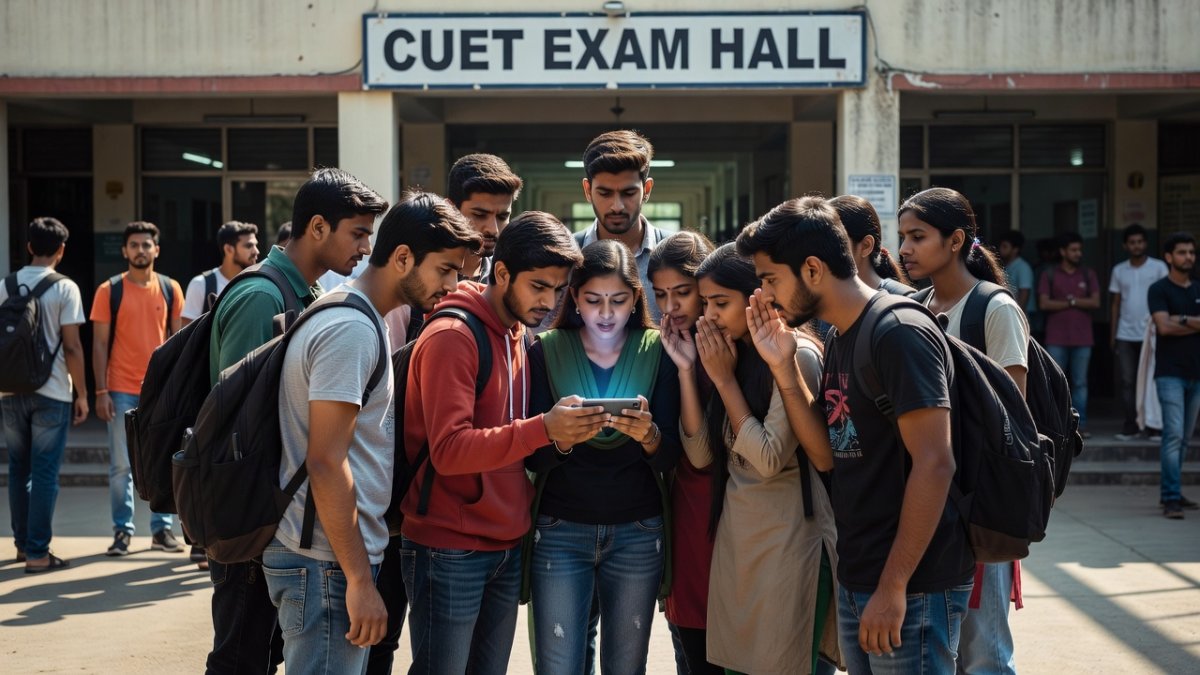
The National Testing Agency released the provisional answer keys for CUET UG 2026 on June 9, 2026, marking a critical checkpoint in India's centralized undergraduate admission process. Candidates can now access their response sheets, question papers, and provisional answer keys directly through the official portal at cuet.nta.nic.in, allowing immediate verification of performance across the computer-based test conducted between May 11-31 and June 6-7, 2026.
CUET UG 2026 Answer Keys Out: NTA Opens Objection Window Until June 11
New Delhi, Delhi – June 9, 2026 — The National Testing Agency has released the provisional answer keys for the Common University Entrance Test for Undergraduate programmes, giving over 14 lakh registered candidates a three-day window to challenge discrepancies.
Release Mechanics and Objection Process
The NTA opened the objection window on June 9, 2026, with closure set for June 11, 2026, requiring a non-refundable fee of Rs 200 per challenged question. This tight three-day window demands swift action from candidates who must review their responses against the official keys. The process reinforces transparency in the education system while highlighting the administrative precision required to handle large-scale national examinations.
Indian students preparing for admissions to central universities now face a compressed timeline that tests both their academic preparation and digital literacy. Those who identify discrepancies must weigh the financial cost against potential score improvements, a calculation that disproportionately affects candidates from lower-income backgrounds across states like Bihar and Uttar Pradesh.
Exam Conduct and Technical Adjustments
The CUET UG 2026 examination ran in computer-based test mode across multiple shifts, with certain papers originally scheduled for May 30 postponed due to technical glitches. These rescheduling events underscore ongoing challenges in delivering glitch-free digital assessments to millions of students simultaneously. The NTA's decision to extend the schedule into June 6-7, 2026, ensured completion but introduced additional stress for candidates balancing board results and preparation.
Within India's evolving education framework, such technical interruptions reveal gaps in infrastructure that the National Education Policy 2020 aims to address through greater digital integration. Students in rural regions often encounter uneven internet access and device availability, making the CBT format both an opportunity for standardization and a barrier that requires targeted policy interventions from state education boards.
Scale of Participation and University Ecosystem
More than 260 universities, including Delhi University, Jawaharlal Nehru University, Banaras Hindu University, and Allahabad University, participate in CUET UG 2026 admissions. This widespread adoption since the exam's introduction in 2022 has replaced fragmented university-specific entrance tests with a single national platform. The shift streamlines applications but concentrates pressure on one examination outcome to determine access to premier institutions.
For Indian students, this structure means performance in CUET directly influences opportunities across diverse academic programs. The involvement of over 14 lakh candidates reflects growing aspiration for higher education, yet it also intensifies competition in a system where seat availability remains limited relative to applicant numbers. Political discourse around education funding and reservation policies now increasingly references CUET scores as a benchmark for equity.
Implications for Students and Systemic Equity
The answer key release enables candidates to calculate probable scores well before final results, allowing strategic decisions on university preferences and potential re-examination plans. This early insight carries significant weight in a country where undergraduate admissions determine career trajectories in engineering, humanities, and sciences. Students from government schools, who constitute a large segment of CUET registrants, gain a defined window to contest errors that could otherwise affect their merit positions.
Analysis of the process shows that the Rs 200 challenge fee, while modest individually, accumulates for candidates raising multiple objections. This mechanism, embedded in the NTA's operational framework, encourages careful review but may deter economically disadvantaged students from exercising their rights fully. The education system must therefore consider subsidized challenge options to maintain fairness across socioeconomic strata.
Broader Impact on Indian Higher Education
CUET's evolution since 2022 continues to reshape admission dynamics by aligning with national goals of standardization and reduced coaching dependency. The 2026 cycle, with its provisional key release on June 9 and rapid objection closure, demonstrates the NTA's commitment to timely grievance redressal. However, the concentration of admissions through one agency raises questions about single-point failure risks in India's vast education landscape.
Indian students navigating this system benefit from unified preparation strategies yet must adapt to the CBT format's demands on speed and accuracy. The participation of institutions like JNU and BHU signals acceptance of centralized testing, yet regional universities continue to advocate for greater weightage to class 12 board performance to preserve local academic diversity. This tension reflects ongoing debates within the political and academic spheres about balancing merit with inclusivity.
The release of answer keys on June 9, 2026, ultimately serves as a checkpoint that empowers informed participation while exposing structural pressures within the examination ecosystem. Students who engage actively with the objection process contribute to refining the system for future cycles.
— By Dr. Raj Patel, Staff Writer
This article was produced with AI-assisted research and editorial support. Reporting is based on sources cited in the article.
What's Your Reaction?
 Like
0
Like
0
 Dislike
0
Dislike
0
 Love
0
Love
0
 Funny
0
Funny
0
 Wow
0
Wow
0
 Sad
0
Sad
0
 Angry
0
Angry
0

India/South Asia Correspondent at Global1.News. Analytical voice with a background in science and health journalism. Based in New Delhi, covering Indian politics, education, healthcare, technology, and policy. Breaks down complex data into clear, actionable reporting.















Comments (0)