
Gull-Masty Tables Clean Water Legislation for First Nations
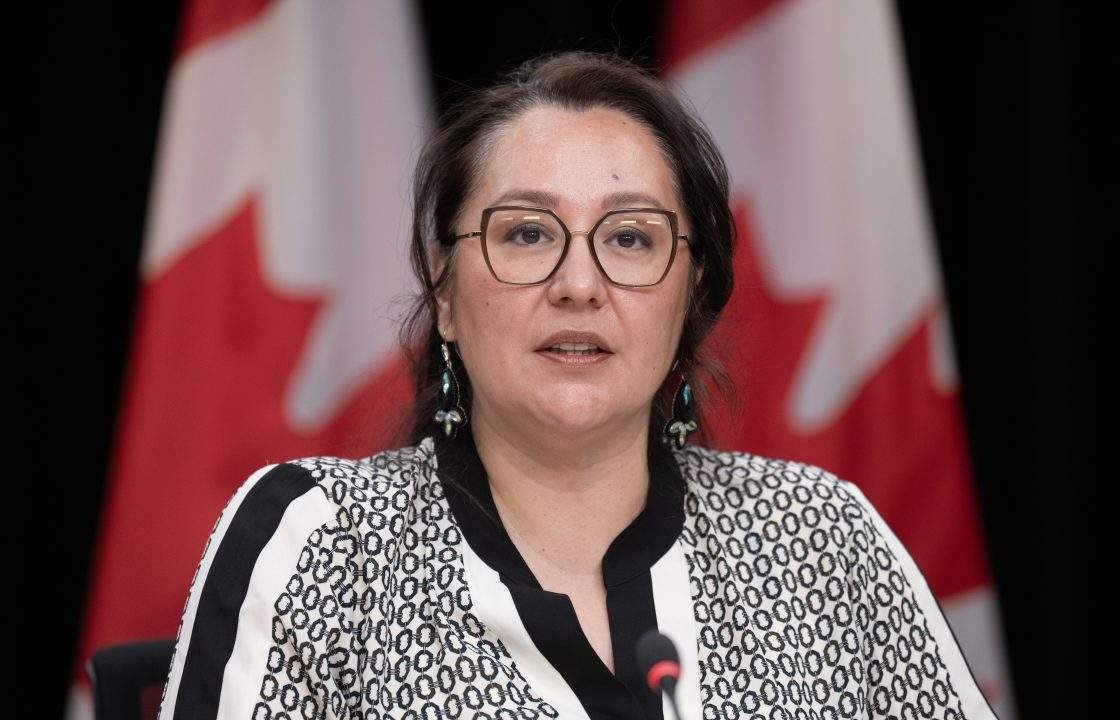
Gull-Masty Prepares to Table Clean Drinking Water Legislation for First Nations Indigenous Services Minister Mandy Gull-Masty is expected to introduce long-awaited legislation today that would set standards for clean drinking water in First Nations communities. The move comes as the House of Commons prepares to rise for the summer break by Friday, meaning any debate or vote wou
Gull-Masty Prepares to Table Clean Drinking Water Legislation for First Nations
Indigenous Services Minister Mandy Gull-Masty is expected to introduce long-awaited legislation today that would set standards for clean drinking water in First Nations communities. The move comes as the House of Commons prepares to rise for the summer break by Friday, meaning any debate or vote would be pushed to the fall sitting. The draft bill, obtained by The Canadian Press, carries a label indicating it remained open for consultation until June 11, 2026.
Tabling the Legislation in the Current Parliamentary Session
Minister Mandy Gull-Masty is scheduled to bring the bill forward in the House of Commons today. The timing is tight because Parliament is set to adjourn for the summer within days. As a result, the legislation will not receive immediate study or votes and will instead wait until members return in the autumn.
The draft obtained by The Canadian Press shows the bill is still marked for consultation purposes. It is not known whether further revisions occurred after the June 11, 2026 consultation deadline closed. This tabling represents the latest attempt by the federal government to address long-standing water quality concerns on First Nations lands through new statutory rules.
Comparison with the 2023 Bill Introduced by Patty Hajdu
A previous version of similar legislation was introduced in 2023 by then Indigenous Services Minister Patty Hajdu under Prime Minister Justin Trudeau. That bill responded to a lawsuit against the government that had been settled in 2021. It went beyond the settlement terms by adding provisions for source water protection and explicit recognition of a human right to clean drinking water.
The 2023 legislation received input from First Nations representatives and advanced through weeks of committee study and debate. It nearly became law before Parliament was prorogued last year, ending its progress. Alberta and Ontario had raised objections during that period, warning that the measures could affect resource development projects within their jurisdictions.
In January of last year, Patty Hajdu expressed hope that the next government would continue the work, describing the earlier bill as thoughtful legislation co-drafted with First Nations people. The current draft shares the overall aim of reliable access to safe drinking water and wastewater treatment but differs in several key areas of wording and emphasis.
The Shift in Human Rights Language and Progressive Realization
The new draft legislation softens the direct affirmation of rights that appeared in the 2023 version. Where the earlier bill stated that it is recognized and affirmed that every individual on First Nations land has a human right to clean and safe drinking water, the current text declares it the policy of the Government of Canada to further the progressive realization of that right under the International Covenant on Economic, Social and Cultural Rights.
Progressive realization is understood to mean that governments advance the recognition of such rights gradually over time rather than establishing an immediate entitlement. This change in phrasing has drawn attention because it moves away from the stronger recognition contained in the previous draft. The new bill retains other elements from the earlier version, including a preamble that acknowledges women as water keepers and the role of elders in preserving traditional knowledge essential to water governance.
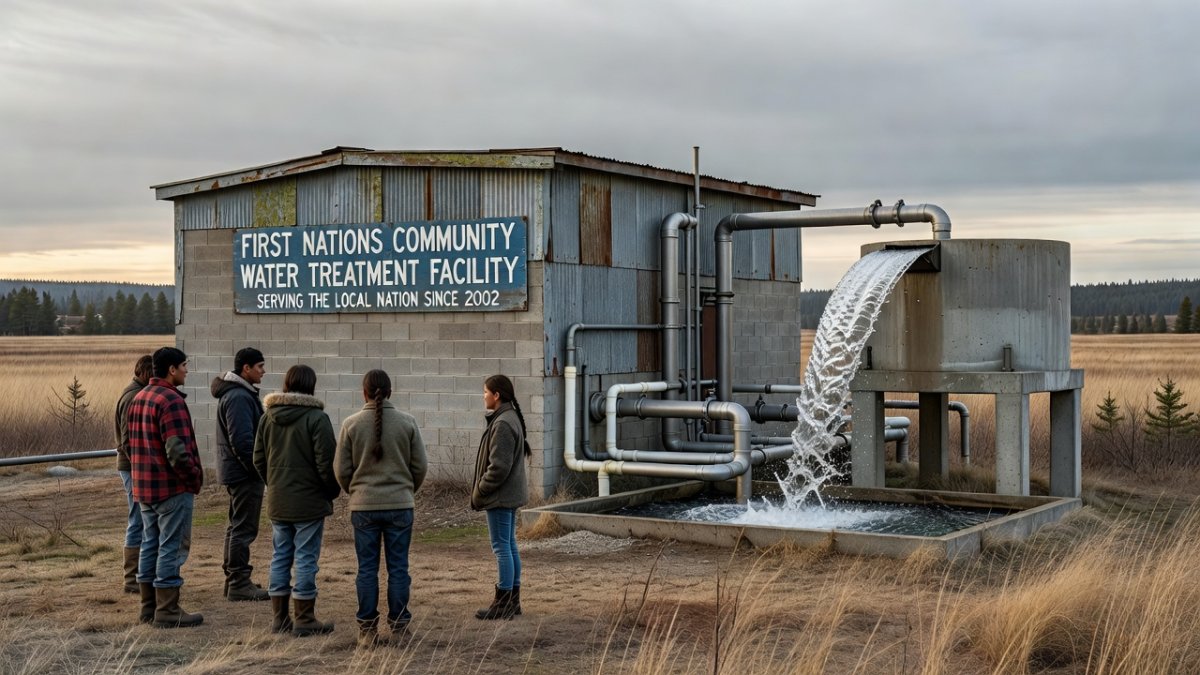
The legislation also continues to frame clean and safe water as integral to First Nations cultures, including its importance for plants, fish and other animals. Tripartite agreements involving First Nations, provinces and the federal government remain possible under the new draft for protecting source water on First Nations territories.
Reactions from First Nations Leaders and Provincial Governments
Some First Nations leaders have indicated they were not consulted on the new legislation despite earlier promises of collaboration. Minister Gull-Masty had pledged last summer that any bill would affirm First Nations human right to clean drinking water, initially targeting a fall introduction before shifting the timeline to this spring.
Alberta and Ontario had previously opposed the 2023 bill on grounds that it could interfere with resource development. Their concerns centred on how new federal rules might interact with provincial authority over natural resources. Several First Nations groups are expected to issue statements once the bill is formally tabled in the House of Commons.
The measured response from both Indigenous organizations and provincial governments will likely shape the tone of fall discussions. The absence of recent consultation with some communities adds another layer to the debate that parliamentarians will need to address when the session resumes.
Path Forward After the Summer Adjournment
Once tabled, the legislation will sit until Parliament returns in the fall. At that point, members can begin second reading, committee review and potential amendments. The bill’s ultimate passage will depend on the level of support it receives across parties and from First Nations representatives who engage during the process.
Minister Gull-Masty has described the need for reliable water infrastructure as a continuing priority. The outcome of this legislative effort will determine whether new statutory mechanisms are established to guide federal, provincial and First Nations cooperation on drinking water standards. Observers will watch closely for any further revisions that may emerge before formal debate begins.
The coming months offer an opportunity for additional input from affected communities and governments. How the bill evolves will reflect the balance between immediate action and the longer-term approach outlined in its current wording.
Tags: clean drinking water, First Nations, Mandy Gull-Masty, Patty Hajdu, legislation, human rights, progressive realization
By Alex Thompson, Staff Writer
This article was produced with AI-assisted research and editorial support. Reporting is based on sources cited in the article.
What's Your Reaction?
 Like
0
Like
0
 Dislike
0
Dislike
0
 Love
0
Love
0
 Funny
0
Funny
0
 Wow
0
Wow
0
 Sad
0
Sad
0
 Angry
0
Angry
0

Canada Correspondent at Global1.News. Based in Toronto, covering Canadian politics, energy, trade, and US-Canada relations. Provides the Canadian perspective on North American and global affairs.












Comments (0)