
Gulf of Paria Widens: Venezuela Demands Compensation from Trinidad Over May Oil Spill
Gulf of Paria Widens: Venezuela Demands Compensation from Trinidad Over May Oil Spill The Detection of the Spill at Heritage Petroleum's Main Soldado Field The oil spill was first noticed on the morning of May 1 2026 at the Main Soldado Field operated by Heritage Petroleum in the Gulf of Paria. Workers at Riser Platform No. 2 spotted the slick around 7:25 am and immediately rai
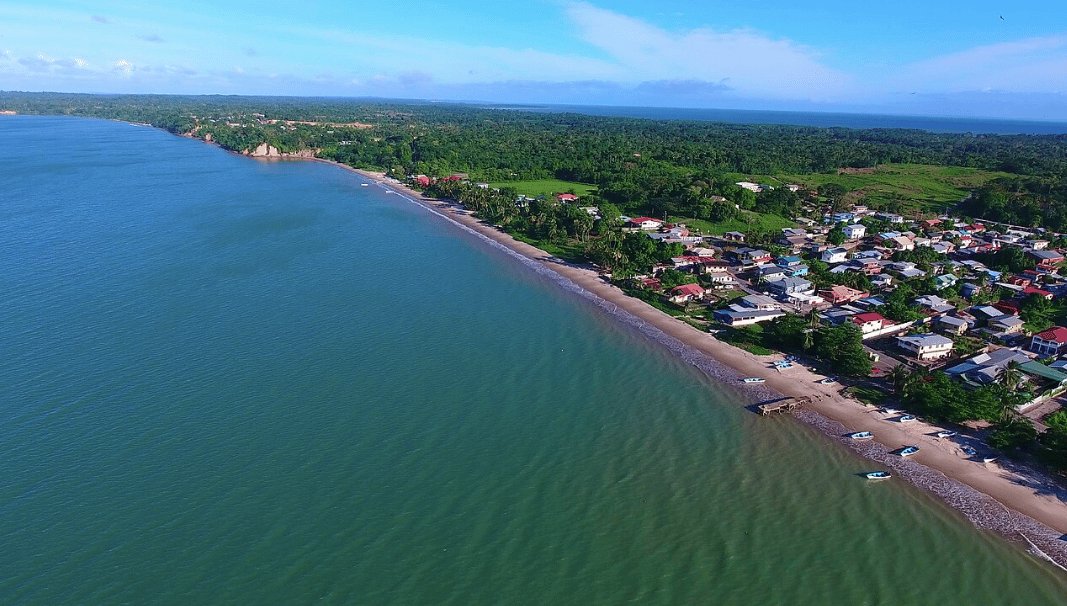
The Detection of the Spill at Heritage Petroleum's Main Soldado Field
The oil spill was first noticed on the morning of May 1 2026 at the Main Soldado Field operated by Heritage Petroleum in the Gulf of Paria. Workers at Riser Platform No. 2 spotted the slick around 7:25 am and immediately raised the alarm with company officials. Heritage Petroleum which remains the state owned energy company of Trinidad and Tobago moved quickly to activate its emergency protocols in line with national guidelines.
Trinidad and Tobago has long depended on the Gulf of Paria for its energy sector with fields like Soldado forming a backbone of production that supports jobs and government revenue. The waters here are shared with Venezuela creating a natural bond between the two nations that goes back decades. Local communities in south Trinidad often speak of the gulf as both a source of livelihood and a shared responsibility that must be protected for future generations.
Initial reports from the Ministry of Energy described the incident as a minor release of around ten barrels that was contained within hours. Response teams deployed booms and skimmers to limit further spread while environmental monitoring began at once. This swift action reflected the experience gained from previous incidents in the region and the commitment to safeguard marine resources that sustain coastal villages.
Venezuela Raises Concerns Through Official Channels
Venezuela's Foreign Affairs Minister Yván Gil issued strong statements calling for full information and possible compensation from Trinidad and Tobago. He described the spill as extremely serious and noted that his government had not received sufficient details in the days following the event. Satellite images dated April 28 were shared publicly by Venezuelan authorities to illustrate the extent of the slick originating from the Trinidad side.
The Venezuelan position highlighted risks to more than 1 625 square kilometres of coastal and marine areas including twelve important wetland systems. Over five hundred fishermen were said to be affected along with one hundred and forty species of fish and four national parks. These figures underscore the cross border nature of any pollution in the Gulf of Paria where currents carry materials freely between the two countries.
Multiple communication statements were sent from Caracas to Port of Spain seeking clarification and cooperation. Minister Gil emphasised that transparency would help both nations manage the situation effectively. The tone from Venezuela reflected genuine worry among communities that rely on the gulf for daily sustenance and economic survival.
Trinidad and Tobago's Official Assessment and Response Measures
The Ministry of Energy in Trinidad and Tobago confirmed that response measures were activated right away after the detection at the Main Soldado Field. Officials maintained that the spill remained limited in volume and was brought under control without widespread environmental damage. Heritage Petroleum coordinated with national agencies to monitor water quality and wildlife in the immediate area.
Trinidad's energy economy continues to face challenges from fluctuating global prices and the need for sustainable practices in offshore operations. The Soldado fields have contributed to national income for many years supporting schools hospitals and infrastructure across the country. Communities in Point Fortin and surrounding areas understand the delicate balance between resource extraction and environmental care.
While Venezuela called for compensation Trinidad officials focused on the contained nature of the release and ongoing monitoring efforts. This difference in emphasis shows how shared waters can sometimes lead to differing perspectives on the same event. Both sides however recognised the importance of continued dialogue to protect the gulf that connects them.
The Hybrid Bilateral Meeting and Path to Cooperation
On May 22 a hybrid meeting brought together representatives from both nations to discuss the spill and future prevention. Trinidad and Tobago's delegation was led by Dr Roodal Moonilal while Venezuela was represented by Minister Freddy Ñañez of the Ministry of Popular Power for Ecosocialism along with Vice Minister of Foreign Affairs Raúl Li Causi. The virtual format allowed for detailed exchanges despite the distance between the capitals.
Participants agreed to keep sharing technical information and to strengthen joint mechanisms for handling cross border hydrocarbon incidents. This outcome built on existing ties in the energy sector where Trinidad and Venezuela have collaborated on gas projects and environmental monitoring in the past. The meeting provided a platform for calm discussion rather than confrontation.
Dr Einstein Millán Arcia a Venezuelan energy consultant later commented that Trinidad appeared to be minimising the potential damage. Such views highlight the need for independent verification and open data sharing in future incidents. The bilateral agreement to cooperate signals a practical approach that could benefit fishing communities on both sides of the gulf.
Environmental Stakes for Fisheries and Protected Areas
The Gulf of Paria supports rich marine biodiversity that feeds families in Trinidad Venezuela and beyond. Impacts on one hundred and forty fish species could ripple through local markets and household incomes for years to come. Fishermen in Cedros and Icacos often describe the gulf as their second home where generations have earned a living from the sea.
Wetland systems and national parks in Venezuela face particular risks from any oil that drifts across the shared waters. These areas serve as breeding grounds and natural filters that protect coastlines from erosion and storms. Caribbean small island developing states like Trinidad and Tobago understand how fragile such ecosystems are in the face of climate pressures and industrial activity.
Previous incidents such as the 2024 spill involving the Gulfstream barge off Tobago have already raised awareness about preparedness. Lessons from those events informed the quick deployment of equipment at Soldado this time. Continued vigilance remains essential to preserve the natural heritage that underpins both tourism and traditional livelihoods in the region.
Regional Diplomacy and the Future of Shared Resources
The Gulf of Paria incident reminds us that energy production in the Caribbean carries responsibilities that cross national borders. Trinidad and Tobago's position as a major oil and gas producer brings both opportunities and duties to work closely with neighbours like Venezuela. Diplomatic channels must stay open to resolve differences before they affect ordinary citizens.
Caribbean community organisations have long advocated for stronger regional frameworks on environmental protection and disaster response. Joint training exercises and shared monitoring stations could reduce the chances of future misunderstandings. The recent hybrid meeting offers a model for how technology can support face to face cooperation even when travel is limited.
Ultimately the people of Trinidad and Venezuela share a common interest in keeping the gulf clean and productive. Fishermen environmental groups and energy workers all stand to gain from transparent communication and mutual respect. As the two nations move forward the focus must remain on protecting the waters that have sustained communities for generations while supporting the economic development that lifts living standards across the region.
By Sharon Sahatoo, Staff WriterThis article was produced with AI-assisted research and editorial support. Reporting is based on sources cited in the article.
What's Your Reaction?
 Like
0
Like
0
 Dislike
0
Dislike
0
 Love
0
Love
0
 Funny
0
Funny
0
 Wow
0
Wow
0
 Sad
0
Sad
0
 Angry
0
Angry
0
Caribbean Correspondent at Global1.News. Based in Port of Spain, Trinidad, covering Caribbean politics, economy, energy, climate, and culture. Amplifying the voices and stories of the Caribbean region.









Comments (0)