
Gulf of Paria Widens: Trinidad and Tobago and Venezuela Clash Over May 1 Oil Spill
In the shared waters of the Gulf of Paria, where fishing communities on both sides have long depended on the sea for their daily bread, a recent oil spill has stirred up more than just environmental worries. The incident, detected on May 1 by Heritage Petroleum Company Limited at its offshore Main Field operation, has now drawn formal demands from Venezuela for information and
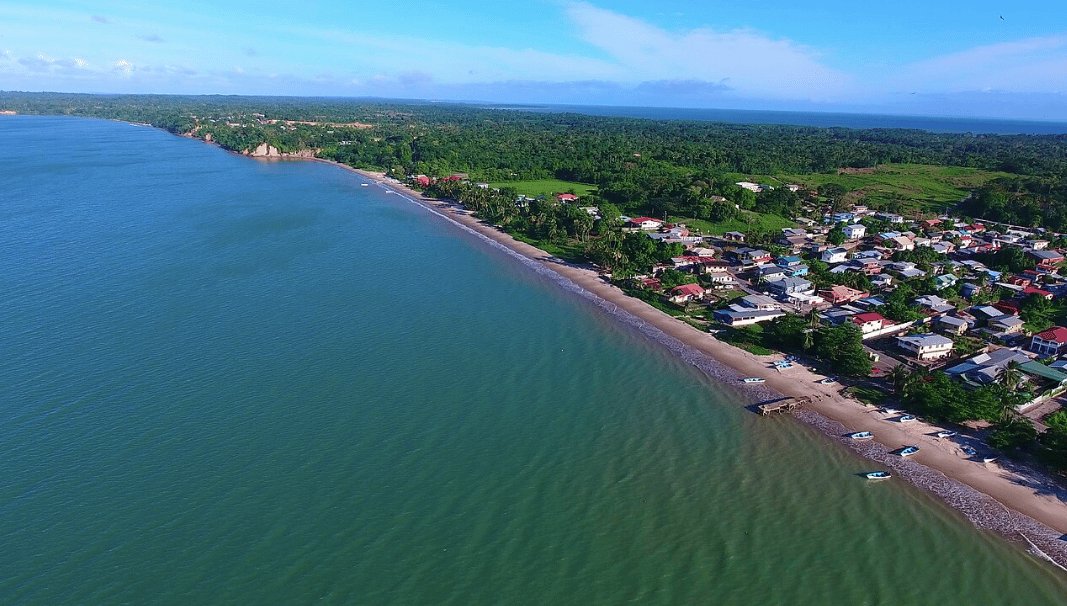
In the shared waters of the Gulf of Paria, where fishing communities on both sides have long depended on the sea for their daily bread, a recent oil spill has stirred up more than just environmental worries. The incident, detected on May 1 by Heritage Petroleum Company Limited at its offshore Main Field operation, has now drawn formal demands from Venezuela for information and compensation, while Trinidad and Tobago maintains the matter was a contained 10-barrel release handled swiftly under local protocols.
The Timeline of Detection and Containment
Heritage Petroleum reported the spill at approximately 7:25 a.m. on May 1, notifying the Ministry of Energy and Energy Industries, the Coast Guard, and the Environmental Management Authority without delay. Trinidad and Tobago authorities estimate that around 10 barrels escaped before the leak was stopped the same day, with repairs completed and the operation back in service by May 2. Their own spill trajectory modelling showed that untreated hydrocarbons could have drifted across the maritime border, leading to the deployment of chemical dispersants some six to eight nautical miles from the shared line. Follow-up checks by drone and vessel found no visible surface hydrocarbons remaining.
Yet satellite images secured by Venezuelan authorities date the slick back to April 28, raising questions about earlier awareness. Neither Heritage Petroleum nor the Trinidad and Tobago government made any public statement until Venezuela brought the matter to international attention on May 12. This sequence has left many in coastal villages wondering how such events are communicated across the region, especially when livelihoods tied to the energy sector and fishing remain so closely intertwined with daily costs of living.
Venezuela's Formal Demands and Environmental Concerns
Caracas has framed the episode as a cross-border threat, with Foreign Minister Yvan Gil publicly calling for details and compensation while highlighting risks to 1,625 square kilometres of territory. The warning includes potential effects on 12 wetland systems, four national parks, and the fishing grounds supporting more than 500 fishermen in Sucre and Delta Amacuro states. Acting President Delcy Rodriguez has since dispatched a team of environmental specialists, biologists, and naval personnel to assess the areas.
From a Caribbean perspective, these concerns echo the broader pressures facing small island developing states, where climate change already strains marine ecosystems and coastal economies. In Trinidad and Tobago, similar fishing communities along the Gulf have long voiced worries about how even modest spills can ripple through local markets, pushing up prices for fresh catch and adding to household expenses already stretched by regional inflation.
Trinidad and Tobago's Official Stance
The Ministry of Energy and Energy Industries has emphasised that the spill remained minor, was addressed within 48 hours, and followed all domestic procedures. A statement from the ministry notes: "Oil spill trajectory modelling indicated that, if left untreated, the hydrocarbon material could have crossed the Trinidad-Venezuela maritime border in the Gulf of Paria; chemical dispersants were deployed approximately 6-8 nautical miles from the border." Port of Spain disputes any suggestion of a larger or ongoing release, describing Venezuela's volume estimates as unknown and unverified.
Former Energy Minister Stuart Young has called for an immediate investigation into the handling of information since May 1, underscoring the need for clearer lines of accountability within the energy sector. The opposition has similarly pointed to what it describes as deliberate withholding by both Heritage Petroleum and the government, highlighting how transparency gaps can erode public trust in institutions that manage vital resources like those operated by Heritage Petroleum and Atlantic LNG.
Shared Regional Realities and Fishing Livelihoods
The Gulf of Paria has always served as a natural bridge between Trinidad and Tobago and Venezuela, supporting not only offshore drilling but also the small-scale fishers who supply markets from Cedros to the Venezuelan coast. When hydrocarbons enter these waters, the effects touch the same families who already navigate rising fuel costs and shifting catches linked to wider climate patterns. In Trinidad, communities dependent on the sea feel these pressures directly, as any disruption to marine health can influence the price of staples at the local market and strain household budgets across the Caribbean.
CARICOM frameworks for environmental cooperation have long sought to address such transboundary issues, yet incidents like this reveal ongoing challenges in notification and joint response. The energy sector remains central to Trinidad and Tobago's economy, with companies such as Heritage Petroleum playing key roles, but the balance between production and protection of shared ecosystems continues to demand careful attention from all parties involved.
Diplomatic Pathways and Future Governance
Venezuela's decision to raise the matter under international environmental law marks a notable escalation, moving the discussion beyond bilateral channels into a wider regional spotlight. For Trinidad and Tobago, the episode underscores the importance of robust notification systems and coordinated modelling with neighbours, particularly as offshore activities expand. Both nations share an interest in maintaining stable relations, given longstanding ties in energy, trade, and migration that affect everyday life on either side of the Gulf.
Observers across the Caribbean note that stronger mechanisms for joint monitoring could help prevent similar tensions, especially when small volumes can still generate large concerns in sensitive wetland and park areas. The current row serves as a reminder that environmental governance in the region must keep pace with the realities of shared waters and interdependent economies.
Community Voices and the Way Forward
Fishermen and residents along the Trinidad coast have watched these developments with quiet concern, aware that clean waters underpin both their traditions and their ability to put food on the table. The absence of early public disclosure has prompted calls for improved communication from energy operators and regulators alike, ensuring that communities are informed promptly when incidents occur near their shores.
As the matter moves through diplomatic channels, the focus remains on accurate assessment and mutual respect between the two nations. In a region where the sea connects rather than divides, resolving such issues openly can strengthen the cooperation needed to protect the Gulf of Paria for generations to come.
By Sharon Sahatoo, Staff WriterThis article was produced with AI-assisted research and editorial support. Reporting is based on sources cited in the article.
What's Your Reaction?
 Like
0
Like
0
 Dislike
0
Dislike
0
 Love
0
Love
0
 Funny
0
Funny
0
 Wow
0
Wow
0
 Sad
0
Sad
0
 Angry
0
Angry
0

Caribbean Correspondent at Global1.News. Based in Port of Spain, Trinidad, covering Caribbean politics, economy, energy, climate, and culture. Amplifying the voices and stories of the Caribbean region.











Comments (0)