
EU Sanctions Target Russian Military, Cap Oil at $44
The European Union this week proposed its most significant sanctions package targeting Moscow since the early months of the war, introducing a broad visa ban on Russian armed forces veterans and deepening measures designed to choke off Kremlin energy revenue. European Commission President Ursula von der Leyen announced the proposals on Tuesday, framing them as a direct response
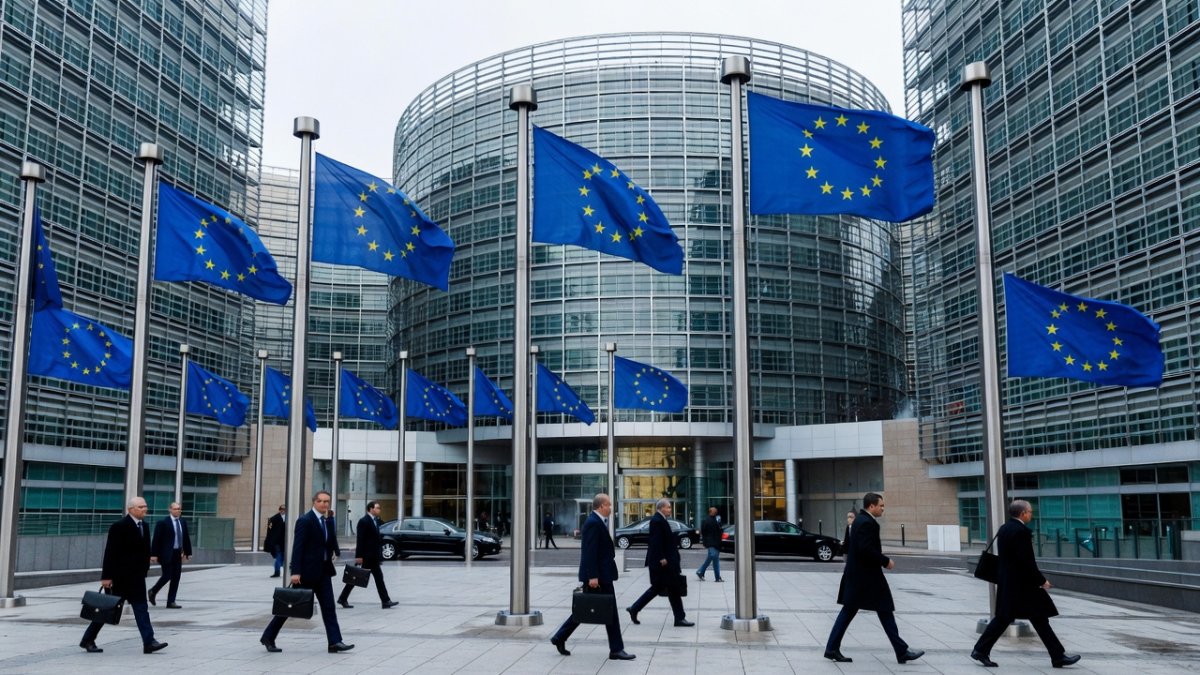
The European Union this week proposed its most significant sanctions package targeting Moscow since the early months of the war, introducing a broad visa ban on Russian armed forces veterans and deepening measures designed to choke off Kremlin energy revenue. European Commission President Ursula von der Leyen announced the proposals on Tuesday, framing them as a direct response to Russia's ongoing military campaign in Ukraine and the mounting economic pressures reshaping the conflict.
EU Moves to Tighten Sanctions on Russian Military Personnel and Energy Exports
Brussels, Belgium — The European Union has advanced a new set of sanctions measures aimed at restricting travel for individuals who have served in the Russian armed forces and at further limiting Moscow's ability to generate revenue from oil sales. Von der Leyen outlined the proposals this week, framing them as a direct response to Russia's ongoing military actions in Ukraine and the broader economic pressures created by the conflict.
Entry Ban Targets Russian Armed Forces Veterans
Under the proposed rules, the European Union would prohibit entry for anyone who has served in the Russian armed forces since the beginning of the war. Von der Leyen stated that the measure would ensure Europe remains off-limits for participants in the invasion of Ukraine. This represents the first time such a broad visa restriction tied directly to military service has been included in the sanctions framework.
Price Cap Reduction Seeks to Limit Kremlin Energy Income
A central element of the package focuses on Russian energy revenues. Brussels intends to maintain a price cap on Russian crude at approximately $44 per barrel until January, a reduction from the existing level of approximately $60 per barrel. The move comes amid rising global oil prices linked to developments in the Middle East, with the explicit goal of preventing the Kremlin from benefiting from market increases.
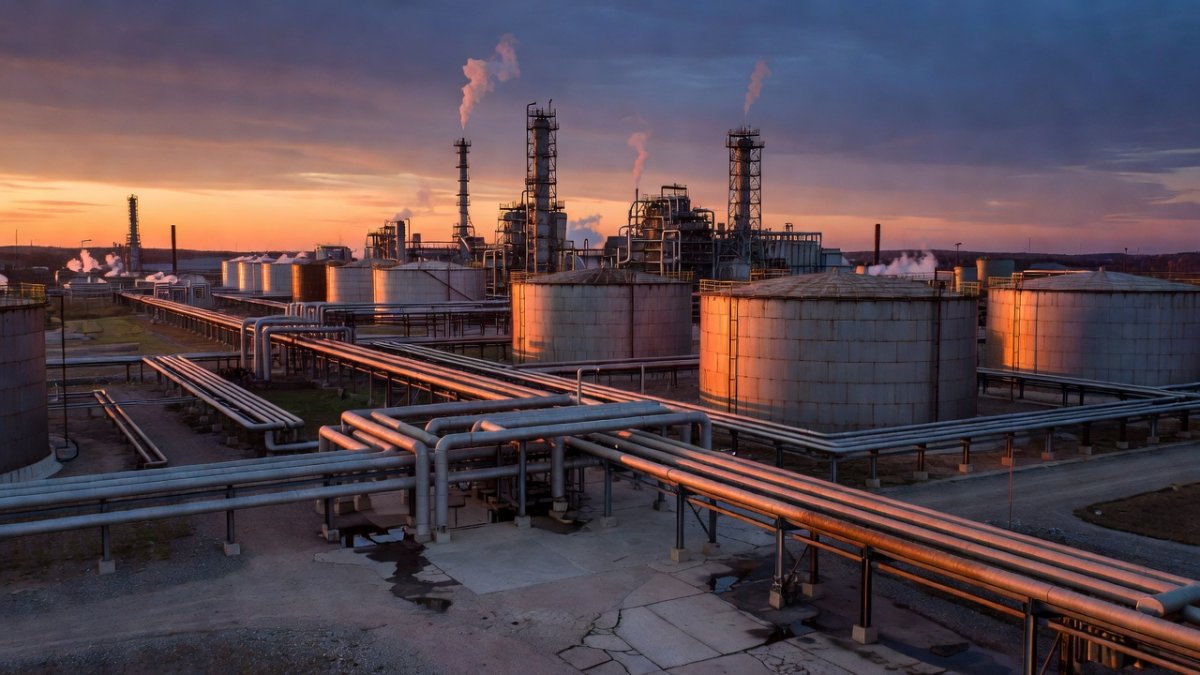
Shadow Fleet Tankers and Evasion Networks Face Blacklisting
To support enforcement of the price cap, the European Union plans to add 30 tankers associated with Russia's shadow fleet to its sanctions list. Additional measures target crypto platforms, banks, and third-party oil traders that assist in circumventing existing restrictions. Trade limits are also being expanded to cover specific Russian seafood products, including cod and Alaska Pollock.
Measures Extend to Foreign Suppliers of the Russian Military
The package includes tighter controls on foreign companies that supply the Russian military. Fourteen firms located in mainland China and Hong Kong would be barred from purchasing goods from the European Union. These steps reflect efforts to disrupt supply chains that support Russian defense operations.
Domestic Consequences Highlighted by European Officials
Von der Leyen noted that the accumulating costs of the conflict fall primarily on the Russian population, who face both personal losses and reduced living standards. "The price Russia pays is heavier by the day, and it is paid primarily by the people of Russia," she said. "They are mourning sons, brothers, husbands, and at the same time they face declining living standards at home."
Russian Asset Sales and Investment Climate
Separately, Russian authorities have been unable for a third time to complete the sale of a 67.2 percent stake in the Yuzhuralzoloto Group of Companies, originally valued at 162 billion rubles. The process, underway since May, has been hampered by the disqualification of the sole bidder. Since the full-scale invasion of Ukraine, the Russian government has seized hundreds of private companies. Analysts have characterized these actions as an assembly line of confiscations that has weakened investment prospects and business confidence within the country.
Next Steps Require Unanimous Member State Support
The full sanctions package must now be reviewed by the European Union's 27 member states and approved unanimously before it can take effect. This requirement ensures that all capitals have input on the final scope of the measures targeting Russian military participation, energy exports, and third-country facilitation networks.
By Irina Volkov, Staff Writer
This article was produced with AI-assisted research and editorial support. Reporting is based on sources cited in the article.
What's Your Reaction?
 Like
0
Like
0
 Dislike
0
Dislike
0
 Love
0
Love
0
 Funny
0
Funny
0
 Wow
0
Wow
0
 Sad
0
Sad
0
 Angry
0
Angry
0
Russia/Eastern Europe Correspondent at Global1.News. Covering Russian politics, energy, security, and the shifting dynamics of the post-Soviet space. Provides clear-eyed analysis on one of the world's most opaque regions.










Comments (0)