
Erdogan Offers Turkey Demining Role in Strait of Hormuz Crisis
**Keywords:** Strait of Hormuz, Recep Tayyip Erdogan, Donald Trump, Iran, demining, NATO Summit 2026, oil prices, US-Iran ceasefire, tanker attacks, Turkey foreign policy, Middle East energy security, Ali Khamenei, Qatar LNG, Saudi crude Regional Framing: Hormuz and Global Energy Security The Strait of Hormuz remains the critical chokepoint for roughly 20 percent of global oil
Regional Framing: Hormuz and Global Energy Security
The Strait of Hormuz remains the critical chokepoint for roughly 20 percent of global oil trade. Any prolonged closure directly affects energy prices across Asia, Europe, and North America. The current crisis, triggered by Iranian mining operations, has already pushed Brent crude above previous benchmarks following the July 7 tanker incidents.
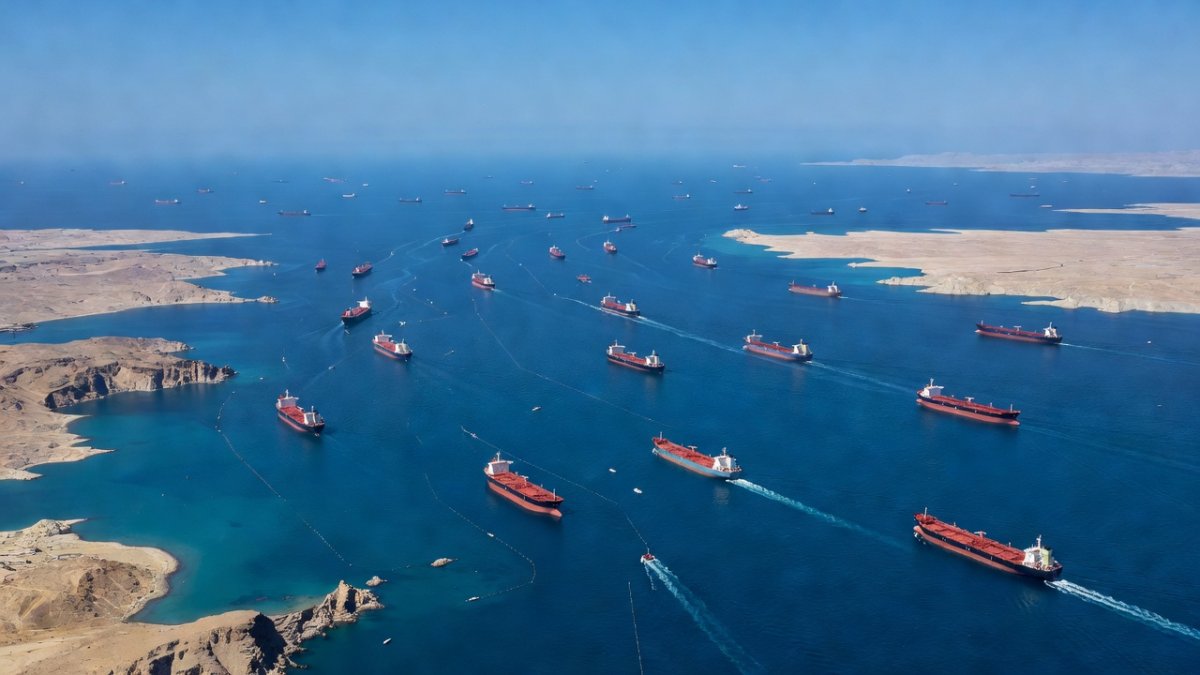
Over 40 countries formed a coalition to secure passage after Iran closed the waterway in late February 2026. Belgium has also offered demining forces, underscoring the multinational character of the response. Turkey's potential involvement adds a NATO member already maintaining open diplomatic channels with Tehran.
Erdogan's Announcement at the NATO Summit
At the 36th NATO Summit held in Ankara on July 7-8 2026, President Recep Tayyip Erdogan stated that Turkey stands ready to contribute to demining operations in the Strait of Hormuz. He specifically commended US President Donald Trump's "resolute stance" on Iran during the same gathering.
The announcement positions Turkey as a practical actor capable of deploying naval assets without requiring new basing agreements. Erdogan's remarks came hours after Trump declared the US-Iran ceasefire "over" and referred to Iranian leaders as "sick people."
The Collapse of the US-Iran Ceasefire
A US-Iran ceasefire mediated by Pakistan took effect on April 8 2026 but proved fragile from the outset. The June 2026 Doha agreement, which included a 14-point memorandum of understanding and a $3 billion Iranian asset release, collapsed within weeks.
Overnight on July 7-8, the United States and Iran exchanged dozens of military strikes. Trump's public repudiation of the ceasefire at the Ankara summit removed any remaining diplomatic cover and accelerated coalition planning for Hormuz clearance.
The July 7 Tanker Attacks
On July 7, Iranian forces struck three commercial vessels near the Strait. A Qatari LNG tanker caught fire with ongoing explosion risk. A Saudi crude oil tanker sustained significant hull damage. A third vessel was also hit, though its identity and condition remain under assessment.
These attacks triggered an immediate surge in oil prices. The incidents demonstrated Iran's continued ability to disrupt traffic despite the earlier ceasefire framework and the presence of the multinational coalition.
Historical Background: The 2026 Strait of Hormuz Campaign
The crisis began on February 28 2026 when the United States and Israel conducted airstrikes on Iranian military targets, including the assassination of Supreme Leader Ali Khamenei. Iran responded by closing the Strait and laying approximately a dozen mines.
Turkey maintained diplomatic relations with Iran throughout this period, distinguishing its position from other NATO members. This continuity now allows Ankara to frame its demining offer as a stabilizing measure rather than an escalation.
The Demining Challenge
Chatham House analysis indicates that clearing the Strait will prove both difficult and lengthy. Iranian mines were laid in a high-traffic area where currents and commercial traffic complicate detection and removal operations.
Belgium's parallel offer of demining forces highlights the technical demands. Any Turkish contribution would likely involve minehunters already stationed in the Mediterranean and Aegean, requiring coordination with the existing coalition command structure.
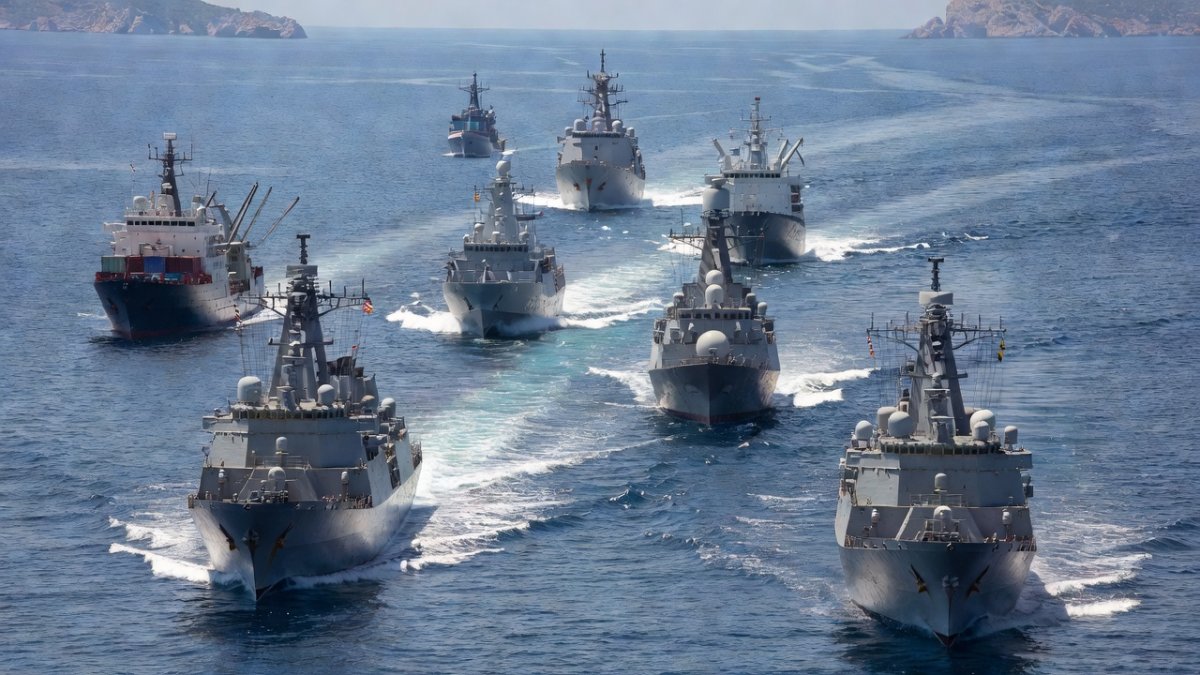
Turkey's Strategic Calculus
Ankara's decision reflects several overlapping interests. Participation in demining could strengthen Turkey's standing within NATO while preserving its independent relationship with Tehran. Erdogan's public praise for Trump's approach signals willingness to align tactically without surrendering diplomatic autonomy.
Turkey also seeks to limit further damage to regional energy routes that affect its own import costs and export revenues. By offering concrete capabilities rather than rhetorical support, Ankara positions itself as an indispensable middle power in any post-ceasefire arrangement.
Regional Implications
Successful Turkish involvement could open limited channels for renewed talks between Washington and Tehran, though both sides remain far apart. Continued Iranian mining capacity, however, suggests that clearance operations may face intermittent disruption.
Oil price volatility will continue to shape calculations in Riyadh, Doha, and Asian importing nations. The presence of Turkish and Belgian demining teams alongside the broader coalition underscores how the Hormuz crisis has drawn in actors beyond the original US-Iran confrontation.
By Malik Hassan, Staff Writer
This article was produced with AI-assisted research and editorial support. Reporting is based on sources cited in the article.
What's Your Reaction?
 Like
0
Like
0
 Dislike
0
Dislike
0
 Love
0
Love
0
 Funny
0
Funny
0
 Wow
0
Wow
0
 Sad
0
Sad
0
 Angry
0
Angry
0

Middle East Correspondent at Global1.News. Based in Beirut, covering politics, conflict, energy, and society across the Middle East. Brings context and depth to a region often reduced to headlines.












Comments (0)