
Embracing Our Football Heritage
Embracing Our Football Heritage As a Senegalese journalist who has followed the beautiful game across our continent, I see football kits as more than fabric and color. They carry stories of who we are, where we come from, and the creativity that runs through African life. The source text highlights several standout designs from Zaire in 1974, Algeria in 1982, Cameroon in 1990 a
Embracing Our Football Heritage
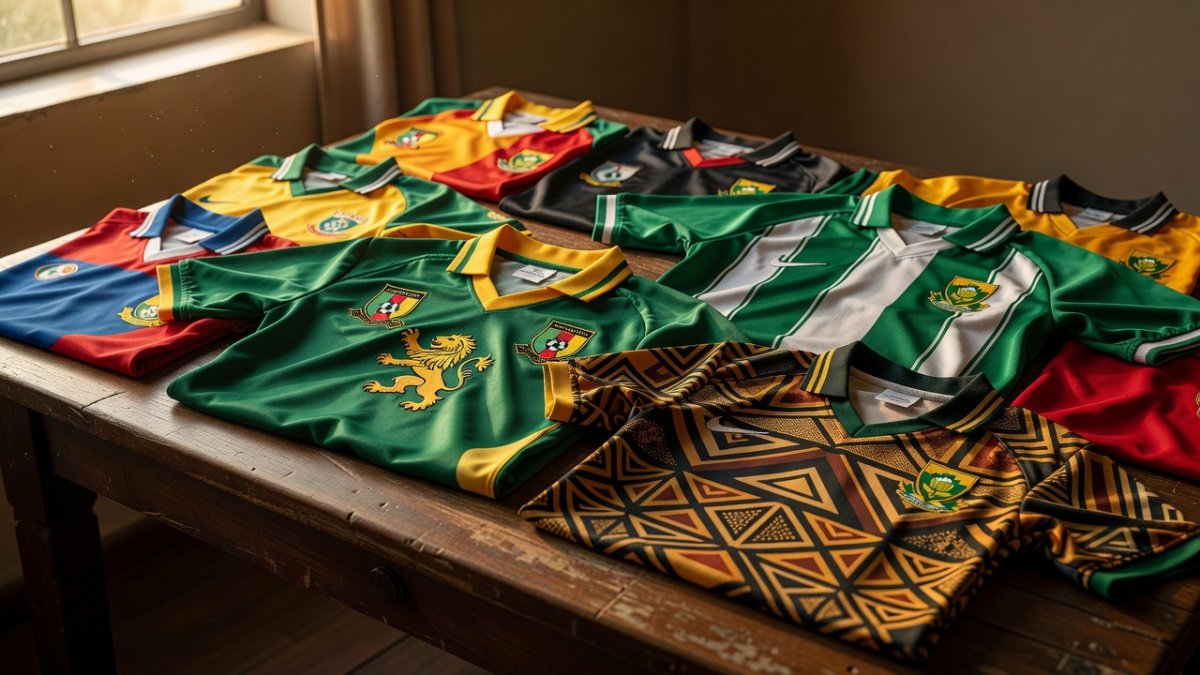
As a Senegalese journalist who has followed the beautiful game across our continent, I see football kits as more than fabric and color. They carry stories of who we are, where we come from, and the creativity that runs through African life. The source text highlights several standout designs from Zaire in 1974, Algeria in 1982, Cameroon in 1990 and 2002, Nigeria in 1994, and South Africa in 1998. Each one reflects national pride while showing how our people turn sport into living art.
(Global 1 News)
These kits connect directly to daily rhythms in markets from Dakar to Lagos, where patterns and bold choices speak of resilience and joy. Football fashion becomes a way to honor ancestors and celebrate the present moment together.
Zaire's Leopard Legacy from 1974
Zaire's green and yellow kit from 1974 stands as the oldest and perhaps boldest in the group. It carried the country's name along with the Leopards nickname and logo across the chest. The design featured a big collar and deep V-neck that marked it clearly as a product of its era.
Congolese designer Alvin Junior Mak recently drew inspiration from these 1974 fashions when creating arrival suits for the current squad. He noted that in Africa we say if you want to move forward you have to see where you come from. This wisdom echoes through Senegalese families who keep old photographs and fabrics to guide younger generations.
The leopard motif itself ties into broader African artistry where animal symbols represent strength and community bonds. Wearing such a kit on the world stage allowed Zaire to share that cultural language with pride.
Algeria's Arabic Elegance in 1982
Algeria's 1982 kit followed a similar path by placing the country name in Arabic script on the front. The shiny material, deep neck, and big collar gave it a distinctive look from that time. Manufactured by the state-owned Sonitex firm during the later years of the country's socialist period, the shirt carried official weight.
Because the company no longer exists there is no copyright protection, which has allowed smaller clothing companies to copy and sell the design widely in Algeria and among the diaspora. Algerian sports journalist Maher Mazahi pointed out that this accessibility explains its popularity among football hipsters today.
From my Senegalese viewpoint this openness mirrors how African creativity often spreads through shared hands rather than strict ownership. The kit becomes part of everyday wardrobes, keeping national identity alive in homes and streets far from the pitch.
Cameroon's Roaring Spirit of 1990
Cameroon reached the World Cup quarter-finals for the first time in 1990, defeating the holders Argentina 1-0 in the opening match. Roger Milla's corner-flag dance added unforgettable energy. The shirt displayed an iconic lion roaring on the chest, viewed by many as a symbol of pride, courage, and determination.
Paul Njie, the BBC World Service correspondent in Yaounde, explained that many people believe this was the best performance by the Cameroon national team and some attribute part of that success to the luck carried by the kit. Such beliefs show how deeply clothing intertwines with cultural hopes during major tournaments.
In Senegal we also link team colors and symbols to collective spirit, especially when our Lions of Teranga step onto the field. The 1990 Cameroon design reminds us that African teams have long used visual power to express inner strength on global stages.
Nigeria's Debut Glory in 1994
Nigeria made their first World Cup appearance in 1994 and secured a 3-0 victory over Bulgaria with goals from Rashidi Yekini, Daniel Amokachi, and Emmanuel Amunike. The kit worn during that debut remains etched in memory for many fans.
Former Super Eagles captain William Troost-Ekong shared that the shirt brings to mind the legends who made the difference for Nigerian football. He noted that if he closes his eyes that is the first shirt that comes to mind and that all current players strive to imitate the achievements of that greatest set of Super Eagles.
This connection between kit and legacy speaks to the wider African experience where young people look to past heroes for guidance. In Senegalese communities football shirts often pass between generations, carrying stories of triumph and the drive to create new ones.
South Africa's Fun Geometric Designs of 1998
South Africa wore a geometric classic kit during all three group games at the 1998 World Cup in France yet did not secure a win. The design stood out for its playful patterns at a time when the nation was writing a new chapter.
Josh Warwick, co-founder of the Cult Kits website, observed that these days South Africa tend to wear yellow but back in the 1990s their shirts were much more fun. That sense of fun reflects the artistic freedom found across African fashion, where bold shapes and colors brighten both celebrations and ordinary days.
From Dakar I see similar geometric influences in local textiles that blend tradition with modern expression. The 1998 kit captured that same inventive spirit during South Africa's World Cup moment.
Cameroon's Bold Sleeveless Experiment in 2002
Cameroon's 2002 jersey began as a basketball-style sleeveless vest and helped the Indomitable Lions win the Africa Cup of Nations title in February that year. FIFA later ruled the sleeveless version broke World Cup rules, forcing the team to add black sleeves.
The controversy highlighted how African teams sometimes push boundaries with creative choices that challenge standard expectations. This willingness to innovate mirrors the artistry seen in markets and festivals throughout the continent, where new forms emerge from existing traditions.
In Senegal we value such bold moves because they keep our cultural expressions alive and evolving. The 2002 design, even after the adjustment, remains a reminder of Cameroon's fearless approach to both sport and self-presentation.
The Enduring Thread of African Identity
Across these kits from different decades and nations runs a common thread of creativity and pride. They show how African teams have used color, symbols, and design to tell stories on the world stage while staying rooted in local realities.
As someone writing from Senegal, I recognize that football fashion continues to reflect the same inventive spirit found in our music, clothing, and community gatherings. These iconic shirts do more than represent teams; they celebrate the artistry that defines us and the shared identity that unites the continent.
By Amara Diop, Staff WriterThis article was produced with AI-assisted research and editorial support. Reporting is based on sources cited in the article.
What's Your Reaction?
 Like
0
Like
0
 Dislike
0
Dislike
0
 Love
0
Love
0
 Funny
0
Funny
0
 Wow
0
Wow
0
 Sad
0
Sad
0
 Angry
0
Angry
0

West Africa/Sahel Correspondent at Global1.News. Dakar-based journalist covering politics, security, climate, and development across Francophone and Anglophone West Africa. Tells the stories of a region undergoing profound transformation.










Comments (0)