
Dr. Nagham Nawzat and the Lifeline for Yazidi Survivors
Dr. Nagham Nawzat and the Lifeline for Yazidi Survivors Dr. Nagham Nawzat, a Yazidi gynaecologist based in Duhok in the Kurdistan Region of Iraq, has provided care to an estimated 1,200 women who survived captivity under the Islamic State since 2014. Working at the Duhok Survivors' Centre, the only facility in Iraq specialising in gender-based violence and funded by the United
Dr. Nagham Nawzat and the Lifeline for Yazidi Survivors
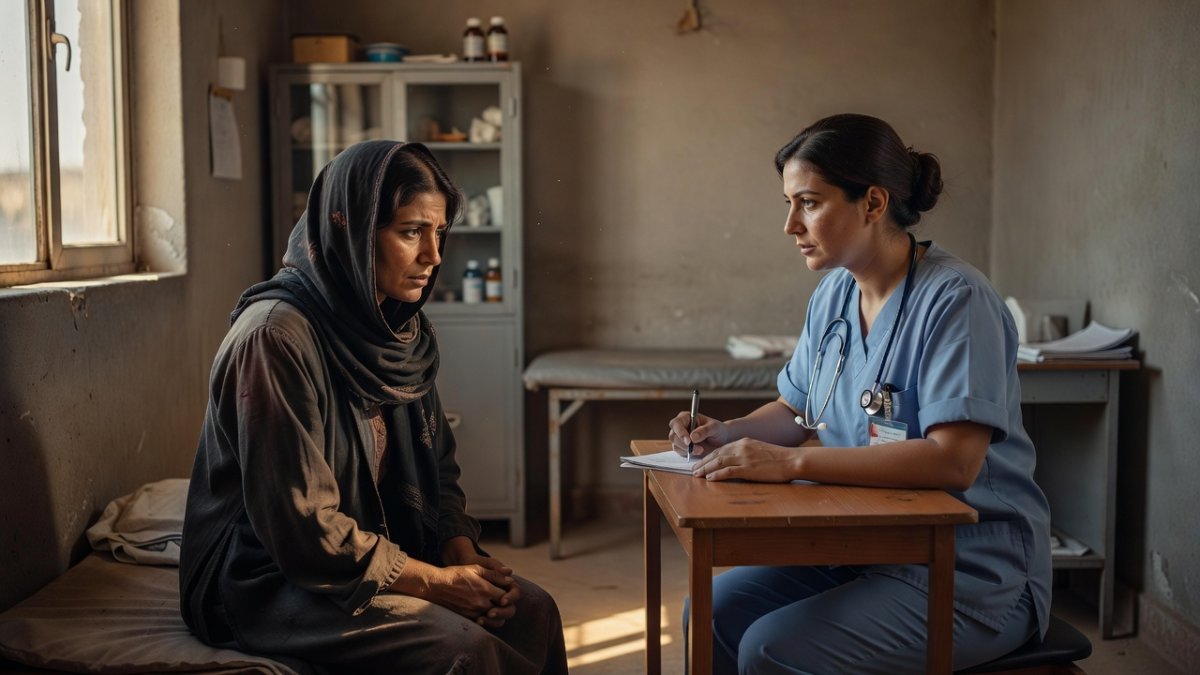
Dr. Nagham Nawzat, a Yazidi gynaecologist based in Duhok in the Kurdistan Region of Iraq, has provided care to an estimated 1,200 women who survived captivity under the Islamic State since 2014. Working at the Duhok Survivors' Centre, the only facility in Iraq specialising in gender-based violence and funded by the United Nations Population Fund, she delivers physical examinations, psychological support and sustained follow-up to women who endured systematic sexual violence.
The centre operates in a context where thousands of Yazidi families remain scattered across camps and urban areas in the Kurdistan Region. Many survivors return with complex medical needs that local clinics cannot address. Dr. Nawzat's consistent presence has created a rare space where women can speak about experiences that communities often find difficult to acknowledge. This continuity of care stands in contrast to the fragmented services available elsewhere in Iraq.
Daily operations at the centre include confidential intake procedures that prioritise survivor safety and privacy. Staff coordinate with interpreters fluent in Kurdish dialects to ensure accurate communication during sensitive consultations. Follow-up appointments track both physical recovery and mental health indicators over extended periods, allowing adjustments to treatment plans as new symptoms emerge.
Dr. Nawzat often collaborates with community leaders to encourage referrals from remote camps. This outreach reduces barriers for women who might otherwise avoid formal medical settings due to cultural stigma. The centre maintains detailed but anonymised records to support research on long-term effects of conflict-related sexual violence without compromising individual identities.
The 2014 Yazidi Genocide and Its Human Toll
In August 2014, Islamic State forces killed or kidnapped at least 12,000 Yazidis in Sinjar and surrounding areas, an assault the United Nations has described as an ongoing genocide. As of July 2018, 2,023 Yazidi women had been liberated from IS-held territories, according to Hussein al-Qaidi, director of Kidnapped Affairs at the Kurdistan Regional Government office in Duhok. Many of those released arrived with untreated injuries, forced pregnancies and profound trauma.
Sinjar district bore the brunt of the assault that began on 3 August 2014. Entire villages were emptied within days. Survivors who escaped or were later freed often discovered that relatives had been executed or remained missing. The destruction of homes and religious sites compounded the sense of permanent loss.
Historical records show that Yazidi communities have faced repeated targeted violence over centuries, yet the 2014 campaign marked an unprecedented scale of organised sexual enslavement. International observers documented mass graves and systematic separation of families, tactics designed to erase cultural continuity. These events prompted formal recognition by multiple governments as genocide, though implementation of protective measures has varied.
Displacement patterns following the attacks left many survivors dependent on humanitarian aid in the Kurdistan Region. Economic disruption in Sinjar persists, with agricultural lands contaminated or abandoned. The resulting loss of livelihoods has prolonged reliance on external medical and social services for years after liberation.
From Mosul Medical Training to Frontline Response
Born in Mosul in 1976, Dr. Nawzat graduated from Mosul's Medical College in 2002. She later volunteered at the Duhok Survivors' Centre, where demand for gynaecological and trauma care quickly outstripped available staff. In March 2016 she received the International Women of Courage Award from then-US Secretary of State John Kerry.
Her training in Mosul equipped her with clinical skills that proved essential once the scale of sexual violence against Yazidi women became clear. After IS seized Mosul in 2014, many medical professionals fled, leaving gaps that practitioners in the Kurdistan Region had to fill. Dr. Nawzat's decision to focus on gender-based violence reflected both professional necessity and personal connection to the affected community.
Early volunteer shifts at the centre exposed Dr. Nawzat to cases involving complex obstetric complications resulting from prolonged captivity. She adapted protocols from her urban hospital experience to resource-limited camp environments. This adaptability helped establish baseline standards for survivor care that other facilities later adopted.
Recognition through the International Women of Courage Award highlighted the intersection of medical expertise and advocacy. Dr. Nawzat used the platform to draw attention to gaps in regional health policy regarding conflict-related trauma. Her ongoing work continues to influence training programmes for emerging healthcare workers in northern Iraq.
Building Trust Through Sustained Care
Dr. Nawzat's approach combines routine medical checks with deliberate relationship-building. Survivors often arrive after months or years of isolation; establishing basic trust requires repeated visits and consistent presence. One survivor, Shireen, was kidnapped at age 19, sold repeatedly as a sex slave and held for more than two years. She has stated that Dr. Nawzat helped all of them and that without this assistance she would not be here today.
Shireen was studying for a high school examination at her home in Sinjar on 3 August 2014 when Islamic State militants broke into her house. She was first sold to a militant in Tal Afar, then transferred three months later to Abu Omar in Mosul. There she endured forced labour, repeated rape and beatings from his Iraqi wives. Two other Yazidi girls, aged six and ten, were also held in the household. Iraqi forces freed her during the 2016 Mosul campaign.
Shireen's account details the psychological tactics used by captors to isolate victims, including restrictions on communication with other Yazidis. After liberation, she experienced severe anxiety during initial medical examinations. Dr. Nawzat's method of explaining each procedure in advance helped Shireen regain a sense of agency over her body.
Long-term follow-up for survivors like Shireen includes monitoring for chronic pain conditions linked to repeated physical abuse. The centre provides referrals for specialised counselling when standard sessions prove insufficient. Such layered support has enabled several women to pursue education or employment despite ongoing health challenges.
The Challenges of Reintegration for Survivors
Returning to family and community life presents additional obstacles that medical treatment alone cannot resolve. Many women face stigma, economic dependence and uncertainty about missing relatives. The absence of secure housing and employment opportunities in Sinjar and surrounding areas forces some survivors to remain in camps near Duhok for years.
Reintegration programmes remain limited in scope. While some international organisations provide short-term assistance, long-term support for education and vocational training is scarce. Survivors who were children at the time of capture now face adulthood with interrupted schooling and few formal qualifications.
Family dynamics often complicate recovery, as some relatives struggle to accept survivors' experiences. Community dialogues facilitated by local NGOs attempt to address these tensions, yet progress varies by village. Economic pressures in the Kurdistan Region further limit options for independent living arrangements.
Legal recognition of survivor status affects access to government benefits and housing priority. Delays in documentation processes leave many women in temporary shelters without clear pathways to permanent settlement. Advocacy groups continue to push for streamlined procedures that account for trauma-related barriers to bureaucratic navigation.
The Burden on Local Healthcare Systems
The influx of Yazidi survivors has placed sustained pressure on medical facilities throughout the Kurdistan Region. Hospitals in Duhok and Erbil report increased caseloads involving specialised gynaecological and mental health services that exceed pre-2014 capacity. Resource allocation for equipment and medications has required repeated adjustments to accommodate chronic conditions arising from captivity.
Staff shortages compound these strains, as trained personnel must divide time between routine patients and complex trauma cases. Training programmes initiated with international partners aim to build local expertise, yet retention remains difficult amid competing demands from other displaced populations. The Kurdistan Regional Government has allocated additional funds, but implementation timelines often lag behind immediate needs.
Referral networks between camps and urban centres help distribute the load, yet transportation barriers persist for women in remote locations. Mobile clinics operated by NGOs provide interim relief, though they lack the diagnostic tools available at the Duhok Survivors' Centre. Coordination meetings among health authorities seek to prioritise high-risk cases without neglecting broader community health requirements.
Long-term projections indicate continued demand as second-generation effects of trauma emerge among children born to survivors. Investment in preventive care and community-based support could alleviate pressure on centralised facilities. Without expanded infrastructure, the quality of care for all residents risks gradual decline.
Violence Against Women Across Conflict Zones
The systematic targeting of Yazidi women echoes patterns documented in other Middle Eastern conflicts, where sexual violence serves as a deliberate instrument of displacement and demographic change. In occupied Palestinian territories, women face repeated incursions, movement restrictions and loss of access to reproductive health services that compound long-term harm.
Palestinian women in the West Bank and Gaza Strip have documented similar disruptions to reproductive care during military operations. Checkpoints and permit systems delay access to hospitals, while destruction of medical infrastructure leaves communities without basic gynaecological services. International recognition of these patterns has yet to produce consistent mechanisms that prevent recurrence across different conflicts.
Comparative analysis reveals shared challenges in evidence collection and survivor protection that hinder accountability efforts. Documentation protocols developed in the Kurdistan Region have informed training for responders in other settings. Cross-regional exchanges among healthcare providers strengthen adaptive strategies for addressing gender-based violence in active conflict zones.
Economic fallout from prolonged instability affects both Yazidi and Palestinian communities, limiting resources for recovery programmes. Women often bear disproportionate responsibility for family sustenance while managing personal health consequences. Sustained international attention remains essential to translate recognition of harm into tangible protective frameworks.
The Role of International Funding and Support
The Duhok Survivors' Centre relies heavily on funding from the United Nations Population Fund. This support has enabled the recruitment of specialised staff and the provision of confidential examination rooms. Without sustained external resources, the centre would struggle to maintain its current level of service.
Other international actors have provided complementary assistance, including training for local staff and limited legal aid. However, coordination between agencies remains uneven. Consistent multi-year funding commitments would allow practitioners to plan longer-term interventions rather than responding to immediate crises.
UNFPA mechanisms include monitoring and evaluation frameworks that track service delivery metrics and survivor outcomes. These reports inform adjustments to programme design and help justify continued donor engagement. Partnerships with regional authorities ensure alignment with local health priorities while maintaining international standards of confidentiality.
Additional support from European governments has funded specialised equipment for trauma assessment. Capacity-building workshops organised through these channels have expanded the pool of qualified counsellors available in the Kurdistan Region. Future sustainability depends on transitioning some responsibilities to domestic institutions without compromising quality.
Accountability and the Demand for Sustained International Action
Healing for survivors remains incomplete without formal accountability for the crimes committed. International mechanisms have so far delivered uneven results: some perpetrators have been prosecuted in third countries, yet many victims still lack access to reparations or secure documentation of their status.
Impunity for conflict-related sexual violence has characterised multiple conflicts in the region. Yazidi survivors who testified in European courts have seen some convictions, yet the majority of perpetrators remain at large. Parallel experiences in Palestine show how lack of accountability perpetuates cycles of harm.
Prosecution challenges include difficulties in securing witness testimony across borders and verifying perpetrator identities amid fragmented records. Extradition treaties vary in effectiveness, leaving gaps that allow suspects to evade justice. Legal aid organisations work to prepare survivors for potential proceedings while addressing retraumatisation risks.
Reparations programmes advocated by survivor networks seek compensation tied to documented medical and psychological needs. Implementation requires cooperation between the Kurdistan Regional Government and international bodies. Sustained advocacy continues to press for comprehensive frameworks that address both individual redress and collective recognition of the genocide's impact.
By Fatima Al-Rashid, Staff WriterThis article was produced with AI-assisted research and editorial support. Reporting is based on sources cited in the article.
What's Your Reaction?
 Like
0
Like
0
 Dislike
0
Dislike
0
 Love
0
Love
0
 Funny
0
Funny
0
 Wow
0
Wow
0
 Sad
0
Sad
0
 Angry
0
Angry
0
Gulf/MENA Correspondent at Global1.News. Based in Doha, covering Gulf politics, energy markets, diplomacy, and development across the Middle East and North Africa. Tracks the economic transformation of the Gulf states.












Comments (0)