
Denver Under Tornado Watch: Softball-Size Hail, 90 MPH Winds Threaten Metro Area Through Tonight
Denver Under Tornado Watch: Softball-Size Hail, 90 MPH Winds Threaten Metro Area Through Tonight The Watch: What It Means and Timing Through 9 PM June 9 The National Weather Service Boulder has issued a tornado watch for the Denver metro and eastern Colorado that runs straight through 9 PM tonight on June 9. This is not a drill or a vague alert. It means conditions are ripe for
Denver Under Tornado Watch: Softball-Size Hail, 90 MPH Winds Threaten Metro Area Through Tonight
The Watch: What It Means and Timing Through 9 PM June 9
The National Weather Service Boulder has issued a tornado watch for the Denver metro and eastern Colorado that runs straight through 9 PM tonight on June 9. This is not a drill or a vague alert. It means conditions are ripe for rotating supercells that could drop to the ground as tornadoes at any moment. Residents from the city limits out to the plains need to treat this like the real deal because the atmosphere is not playing games.
Watch means stay ready. Warnings will come fast when cells fire. Multiple tornado warnings already popped earlier today, proving the setup is delivering. Do not wait for the siren in your neighborhood. Keep a weather radio or app blasting alerts because the clock is ticking until 9 PM. NWS Boulder is clear: this watch covers the full metro and stretches east where storms love to explode after dark.
Ignore the complacency that creeps in after too many watches. This one carries teeth. Softball hail and 90 mph winds are on the table alongside isolated twisters. The timing lines up with peak heating and moisture return, so the window stays wide open until the sun drops and the cap finally breaks. Stay locked in.
Supercell Threats: Hail, Wind, and Tornado Details
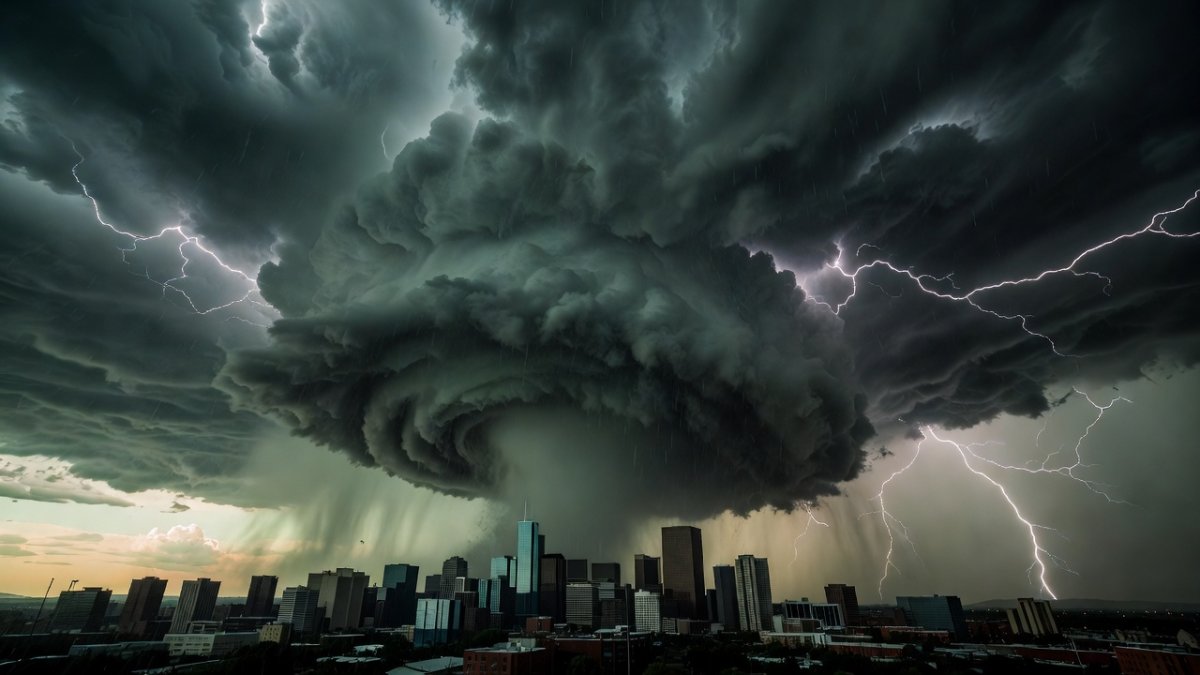
Supercells are the monsters driving this watch. These long-lived storms can spin up isolated tornadoes while dumping softball-size hail four inches across and hammering the ground with 75 to 90 mph straight-line winds. That combination shreds roofs, shatters windows, and turns vehicles into targets. Denver7 and 9News crews have already documented large hail reports from earlier cells, and the pattern is only strengthening.
The threat is not theoretical. CBS Colorado footage showed baseball hail denting cars on the eastern plains just hours ago. Winds that strong can flip semi-trailers and rip power lines down across entire neighborhoods. Tornadoes may stay rain-wrapped and hard to see until they are on top of you, which is why spotter networks are on high alert. NWS Boulder emphasizes that any storm under this watch can produce all three hazards at once.
Do not underestimate the hail alone. Four-inch stones will destroy solar panels, skylights, and unprotected livestock. The wind threat adds another layer of destruction that can turn loose objects into projectiles traveling at highway speeds. This is why the watch stays in effect until 9 PM. The supercells are not done yet.
DIA Impact: Flight Delays, Ground Stops, and Stranded Travelers
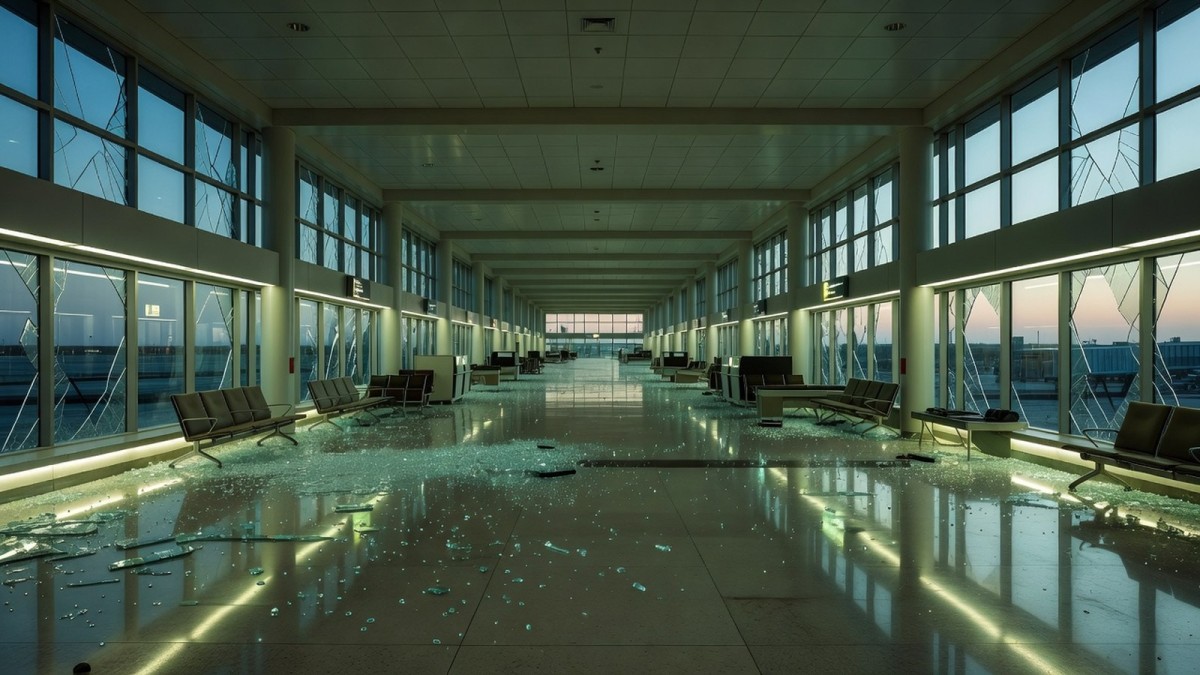
Denver International Airport is already feeling the squeeze. Ground stops and widespread delays are stacking up as storms build west of the field and move east. Travelers are stranded at gates with no clear departure times while crews secure aircraft and de-ice in sudden temperature drops. Newsweek reports similar disruptions during past Front Range events, and today is repeating the script.
Passengers should expect cascading cancellations through the evening. Baggage handlers cannot work safely under 90 mph wind threats, and lightning within five miles halts ramp operations. Families with small children and elderly relatives are camping out in terminals with limited seating and rising frustration. Denver Post sources confirm multiple flights diverted to Colorado Springs and Pueblo as cells track directly over the airport corridor.
The ripple effect hits connecting passengers hardest. Missed connections mean overnight stays without hotel vouchers if airlines cite weather. Check the airline app before leaving home and consider the train or driving only if roads stay clear. DIA operations will not normalize until the watch expires and the last cell clears the area after 9 PM.
Previous Storms Context: June 1-2 Rain Bomb as Precedent
Just days ago on June 1 and 2, the same region took a month of rain in hours. Flash flooding closed interstates, stranded drivers, and overwhelmed drainage systems that still have not fully recovered. That event serves as the warm-up act for tonight. The atmosphere has reloaded with even more moisture and instability, setting the stage for hail and wind instead of pure rain but with the same dangerous intensity.
Denver Post coverage showed streets turned into rivers and basements flooded across Aurora and Lakewood after those earlier storms. The ground remains saturated, which means any heavy rain mixed with hail tonight will run off fast and create new flood threats on top of the tornado watch. NWS Boulder noted the repeat pattern is unusual but not unheard of during active monsoon setups.
Residents who dealt with water in their homes last week are now facing a different but equally serious hazard. Hail damage on already weakened roofs could lead to interior leaks once the next round hits. The precedent is clear: these back-to-back events punish the unprepared. Learn from the last round and act before 9 PM.
Counties in the Bullseye: Elbert, Washington, Lincoln Plus Denver Metro
Elbert, Washington, and Lincoln counties sit squarely in the crosshairs along with the full Denver metro. These eastern plains counties often see the most violent supercells because open terrain lets storms organize without terrain disruption. Rural residents there have fewer shelters and longer emergency response times, making early action critical.
Denver proper and surrounding suburbs are not off the hook. The watch explicitly includes the urban core where population density multiplies the risk. 9News meteorologists have highlighted how storms that form over the foothills can intensify rapidly once they reach the flatter eastern counties, then turn back west toward the city after dark. That classic track puts everyone from downtown to the airport in the path.
Small towns in those bullseye counties need to activate spotter teams now. Limited road access after dark combined with 90 mph winds can isolate communities for hours. The metro has more resources but also more traffic that turns deadly when visibility drops from hail and blowing dust. Every county listed must treat the watch as a call to immediate readiness.
Why Warnings Keep Coming: Atmospheric Setup of Heat, Moisture, and Shear
The ingredients are textbook and dangerous. Extreme heat at the surface is mixing with deep moisture surging up from the south while strong wind shear aloft is creating the rotation needed for supercells. NWS Boulder forecasters have flagged this exact combination as the driver behind the persistent watches and warnings. It is not random bad luck; it is a loaded atmosphere.
Shear values are high enough to stretch storms into rotating monsters that can persist for hours. The moisture feed keeps updrafts strong, allowing hail to grow to softball size before falling. Heat provides the fuel that keeps the cycle going well into the evening. CBS Colorado explained how this setup has repeated across multiple days, which is why warnings keep firing even after earlier storms pass.
Until the upper-level support weakens or the moisture tap shuts off, the pattern will continue. Tonight the cap is expected to erode just as the low-level jet strengthens, a classic recipe for nocturnal tornadoes. That is why the watch extends to 9 PM instead of expiring earlier. The physics are aligned against us until the sun fully sets and the boundary layer cools.
Safety Actions: What Residents Must Do Now
Move to an interior room on the lowest floor now. Have helmets, sturdy shoes, and flashlights ready because power will fail. Charge every device and fill gas tanks before the next cell arrives. Do not rely on phones alone; keep a battery radio tuned to NWS Boulder frequencies for the latest warnings.
Secure outdoor furniture, trampolines, and vehicles in garages if possible. If you are caught outside, abandon the car and seek a sturdy building or low-lying ditch away from trees and power lines. Parents should rehearse the plan with kids so everyone knows the safe spot without panic when the warning sounds.
Check on neighbors, especially elderly residents and those without vehicles. Have a backup communication plan because cell towers overload fast during severe weather. These steps are not optional. They separate those who ride out the watch safely from those who become statistics. Act before the first warning drops.
Bottom Line: Watch Status and Call to Stay Vigilant
The tornado watch remains in effect for the Denver metro and eastern Colorado until 9 PM June 9. Supercells capable of softball hail, 90 mph winds, and isolated tornadoes are the primary threats. DIA will stay disrupted, and the same counties hammered earlier this month are back in the bullseye. The atmospheric setup shows no signs of easing until after sunset.
Stay vigilant. Monitor trusted sources including NWS, Denver7, 9News, and CBS Colorado. Do not wait for confirmation once a warning is issued. Move to safety immediately. This is not the time for second guesses or social media scrolling. The storms are real, the timing is now, and the only winning move is preparation.
Take the action steps listed. Charge devices, secure property, and rehearse the plan. When the watch expires at 9 PM, reassess but do not assume the threat is over until every cell clears the area. Denver has seen what these setups can do. Do not become the next headline.
By Jessica Ali, Global 1 News
This article was produced with AI-assisted research and editorial support. Reporting is based on sources cited in the article.
What's Your Reaction?
 Like
0
Like
0
 Dislike
0
Dislike
0
 Love
0
Love
0
 Funny
0
Funny
0
 Wow
0
Wow
0
 Sad
0
Sad
0
 Angry
0
Angry
0

Editor-in-Chief at Global1.News. Atlanta-based journalist who cuts through the BS and tells it like it is. Lead anchor, host, and the voice you hear when the spin stops and the truth starts.













Comments (0)