
Deepening China-Brazil Strategic Partnership Amid Global Shifts
In a recent CGTN report on "The Heat: China-Brazil Ties | High-level talks in Beijing," the program highlights ongoing high-level diplomatic engagement between the two BRICS nations, underscoring efforts to expand cooperation across trade, technology, and multilateral platforms during President Luiz Inácio Lula da Silva's visit to Beijing. The discussions with Chinese leadershi
In a recent CGTN report on "The Heat: China-Brazil Ties | High-level talks in Beijing," the program highlights ongoing high-level diplomatic engagement between the two BRICS nations, underscoring efforts to expand cooperation across trade, technology, and multilateral platforms during President Luiz Inácio Lula da Silva's visit to Beijing.
The discussions with Chinese leadership, including President Xi Jinping and Premier Li Qiang, reflect China's strategic interest in strengthening ties with key Global South partners while advancing shared priorities in economic development and international coordination.
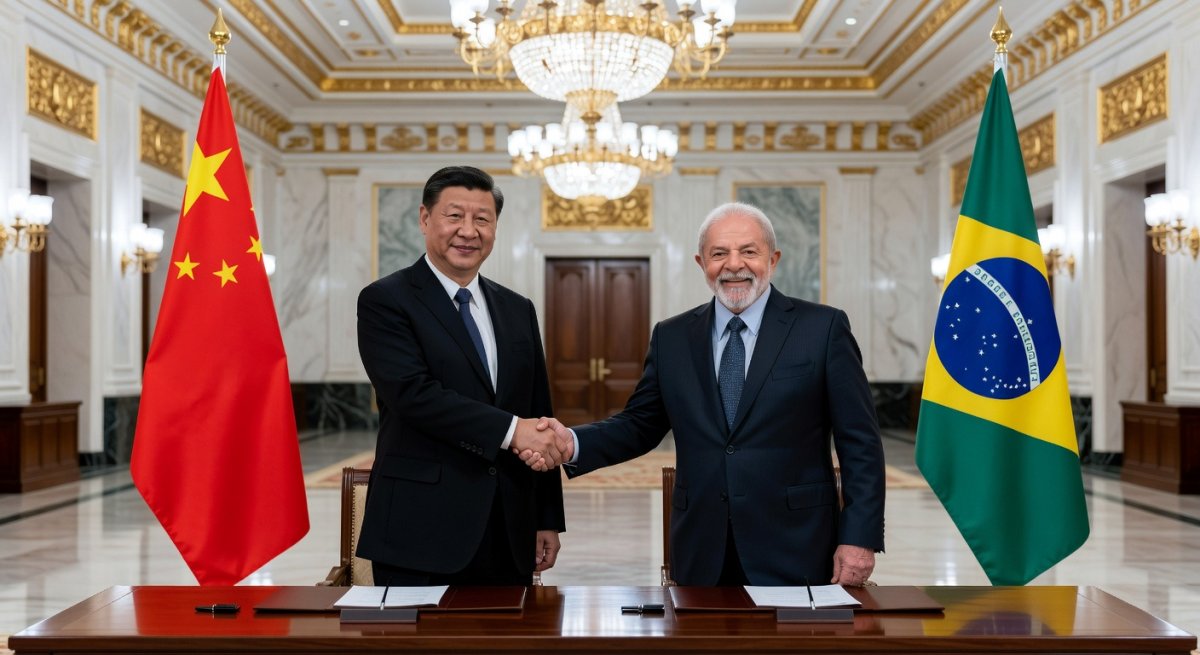
China and Brazil Advance Comprehensive Strategic Partnership Through Beijing Summit
Beijing, China – June 2026 — High-level talks in the Chinese capital have reaffirmed the enduring partnership between China and Brazil, two founding members of BRICS. The engagement builds on established frameworks to address trade imbalances, technological collaboration, and coordinated positions in global forums.
High-Level Diplomatic Engagement
President Luiz Inácio Lula da Silva's meetings with President Xi Jinping and Premier Li Qiang focused on elevating bilateral relations to new levels of strategic depth. These exchanges align with China's foreign policy emphasis on South-South cooperation, as articulated through the Ministry of Foreign Affairs. Both sides expressed commitment to regular leader-level dialogue, which serves as a mechanism for aligning national development strategies without overcommitting to immediate implementation timelines.
Trade and Economic Cooperation
China has remained Brazil's largest trading partner for 15 consecutive years, with annual bilateral trade volumes exceeding $150 billion. Chinese investments target Brazilian infrastructure, energy projects, and agricultural modernization through entities coordinated under the National Development and Reform Commission.
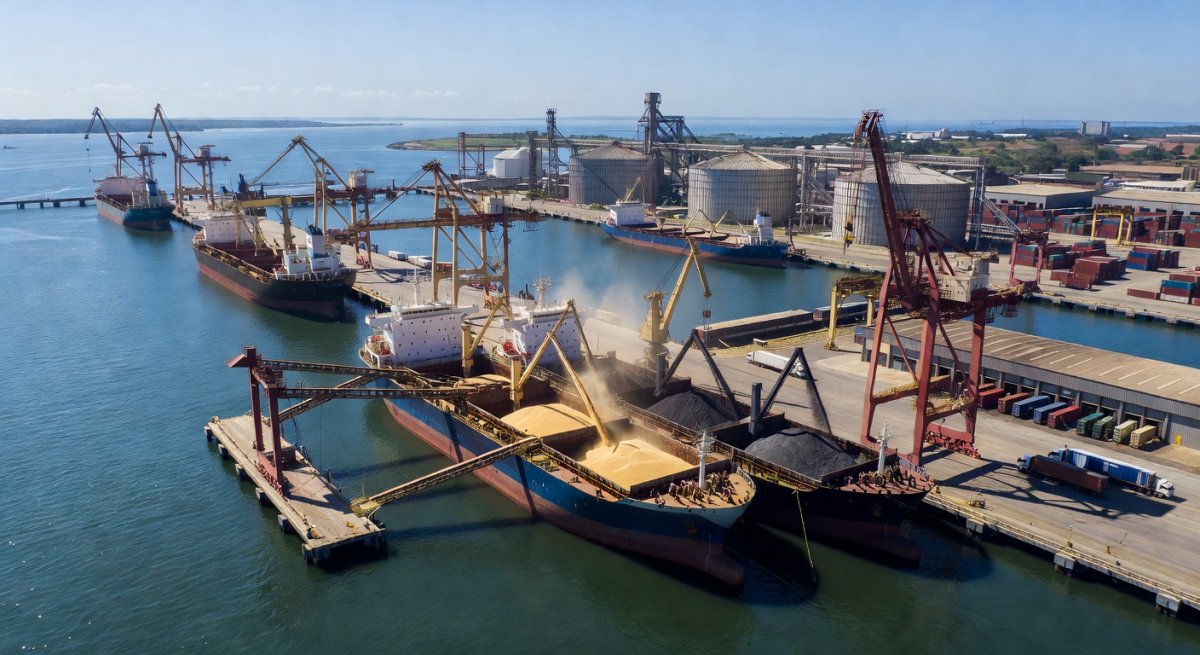
These flows support China's Dual Circulation strategy by securing stable resource imports while offering Brazil diversified market access.
BRICS and Multilateral Coordination
As original BRICS members, China and Brazil coordinate positions in the G20 and United Nations on issues ranging from climate finance to reform of international financial institutions. This collaboration advances Beijing's objectives of promoting a multipolar world order and strengthening multilateral platforms that amplify Global South voices.
Technology and Space Collaboration
The long-standing China-Brazil Earth Resources Satellite program continues to deliver remote sensing data for environmental monitoring and resource management. Additional discussions covered 5G infrastructure deployment and emerging cooperation in artificial intelligence and the digital economy, consistent with China's technological self-sufficiency goals under the 14th Five-Year Plan.
Agricultural Trade and Food Security
Brazilian exports of soybeans, beef, and iron ore to China remain central to the trade relationship, contributing to China's food security objectives. The balance of these commodity flows highlights mutual dependencies, with potential for expanded local-currency settlements to reduce transaction costs over time.
Strategic Implications for Latin America and De-dollarization
China's engagement with Brazil forms part of broader participation in Latin American development initiatives, creating competitive dynamics with traditional external actors while supporting regional infrastructure needs. Growing interest in local-currency trade settlements and BRICS financial discussions reflects gradual shifts away from dollar dominance, though full operational details remain subject to further technical negotiations among participating central banks.
These developments illustrate Beijing's calculated approach to expanding regional influence through economic and diplomatic tools rather than unilateral assertions.
By Prof. Marcus Chen, Staff Writer
This article was produced with AI-assisted research and editorial support. Reporting is based on sources cited in the article.
What's Your Reaction?
 Like
0
Like
0
 Dislike
0
Dislike
0
 Love
0
Love
0
 Funny
0
Funny
0
 Wow
0
Wow
0
 Sad
0
Sad
0
 Angry
0
Angry
0

World Politics Analyst at Global1.News. Based in Beijing, covering US-China relations, global trade, and geopolitical strategy. Brings deep analytical perspective to the power dynamics shaping international affairs.














Comments (0)