
Gloria Bash: The Congolese Singer Using Music as a Weapon for Peace
Gloria Bash stands as a powerful voice from Goma in eastern Democratic Republic of Congo, where music serves as a direct tool for peacebuilding amid ongoing conflict. At 23 years old, this singer has become the most-followed female artist on YouTube in the DRC, channeling her experiences into songs that promote unity across communities. Her approach echoes the traditions of Sen
Gloria Bash stands as a powerful voice from Goma in eastern Democratic Republic of Congo, where music serves as a direct tool for peacebuilding amid ongoing conflict. At 23 years old, this singer has become the most-followed female artist on YouTube in the DRC, channeling her experiences into songs that promote unity across communities. Her approach echoes the traditions of Senegalese artists like Youssou N'Dour and Baaba Maal, who have long used Mbalax rhythms to address social issues in Dakar and beyond.
Gloria Bash: The Congolese Singer Using Music as a Weapon for Peace
Dakar, Senegal — Gloria Bash released her latest EP titled Zoshi on 10 May 2026, marking another step in her mission to highlight peace in the eastern DRC. Signed to Gims' record label Black Star France, she draws from her roots in Goma to reach audiences across Africa and Europe. Her work connects directly to the creative communities in cities like Lagos, Accra, and Nairobi, where musicians blend local sounds with global platforms to influence cultural identity and economic growth.
A Voice from Goma: Music Born in Conflict
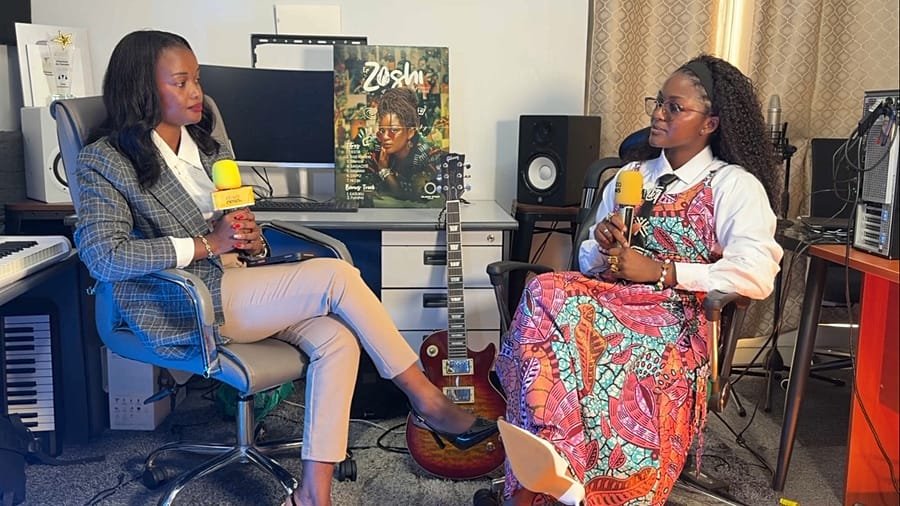
Gloria Bash grew up in Goma, a city that has remained under the control of Rwanda-backed M23 rebels for over a year. Her childhood combined moments of beauty with the harsh realities of war, shaping every lyric she writes today. She described this foundation in her Africanews interview on 11 May 2026, noting how the experience directly influenced her decision to create music that confronts atrocities while celebrating her hometown.
The singer's tracks explicitly denounce the violence that has displaced families and fractured communities in eastern DRC. She highlights Goma's resilience through melodies that call for reconciliation between different ethnic groups. This focus matters because sustained conflict disrupts the entire creative economy, preventing artists from touring or recording in stable conditions that cities like Johannesburg and Marrakech take for granted.
Bash positions her work as a weapon for peace rather than entertainment alone. Her songs carry explicit messages of unity that reject tribal divisions, stating clearly that peace has no tribe and peace has no race. Such messaging reaches young listeners across the DRC through YouTube, where she holds the top spot among female artists, building a digital audience that rivals the reach of Afrobeats stars in Lagos.
The ongoing instability in Goma limits live performances locally, forcing artists like Bash to seek international stages. Yet this displacement has amplified her voice globally, turning personal trauma into collective advocacy that resonates with audiences familiar with similar challenges in South Sudan and the Central African Republic.
The Zoshi EP: Celebrating Home Through Song
Gloria Bash released the EP Zoshi on 10 May 2026 with tracks that blend Swahili lyrics and contemporary production. Songs such as Furaha, which means joy or happiness, Fiesta, and ADA sit alongside the earlier single Milele, meaning forever or eternal. These titles reflect her determination to spotlight positive elements of life in Goma despite the surrounding conflict.
The project demonstrates how Congolese artists maintain cultural specificity while signing with international labels like Black Star France. Each track weaves personal stories of her city with calls for reconciliation, creating material that travels well across African streaming platforms. This approach strengthens the broader music economy by showing that conflict-zone artists can achieve commercial success without abandoning their roots.
Bash uses the EP to denounce specific atrocities while affirming Goma's identity. Listeners hear direct references to the communities affected by M23 control, framed through rhythms that echo Soukous traditions from Kinshasa. Such fusion helps preserve Congolese musical heritage even as artists relocate or tour abroad.
The timing of the release, just one day before her Africanews interview, allowed Bash to discuss the EP's themes with fresh context. She explained that her music serves both celebration and protest, a balance that mirrors the work of Orchestra Baobab in Senegal, where generations have mixed joy with social commentary.
From Goma to Paris: International Recognition
Gloria Bash performed at the Solidarity for Congo mega concert at Accor Arena in Paris in 2025. The event featured Gims, Dadju, Fally Ipupa, and Soolking, drawing 11,000 audience members and raising 300,000 euros for children affected by conflict in the DRC. Her participation marked a clear step from local Goma stages to major European venues.
The concert provided concrete financial support while elevating Congolese voices on an international platform. Funds went directly to humanitarian efforts, demonstrating how diaspora events can channel resources back to affected regions. This model has parallels in festivals like the Saint-Louis Jazz Festival in Senegal, where artists raise awareness and funds for regional causes.
Bash's appearance alongside established names such as Fally Ipupa expanded her visibility beyond YouTube metrics. The 11,000-person crowd heard her peace-focused set in a venue that regularly hosts Afrobeats and Amapiano acts from across the continent. Such exposure accelerates the global influence of Central African music scenes that often receive less attention than those from Lagos or Accra.
Her signing with Black Star France further institutionalizes this trajectory. The label connection opens doors for production resources and distribution that many independent artists in the DRC lack, potentially creating pathways for other Goma-based musicians to reach similar audiences.
Speaking for the Voiceless: Peace as a Priority
In her 11 May 2026 interview with Africanews, Gloria Bash stated that peace remains the most urgent matter facing the DRC. She questioned the priority of constitutional reform when communities continue to suffer daily violence under M23 control in Goma. Her position reflects the lived reality of residents who prioritize security over political restructuring.
Bash described herself as an artist who also speaks for the voiceless, using her platform to demand immediate peace. She emphasized that enough suffering has occurred and that reconciliation between communities must come first. These statements carry weight because they come from an artist with the largest female YouTube following in the country, giving her words direct access to youth audiences.
The singer's focus on urgent peace aligns with broader African discussions about conflict resolution in places like the Sahel and the Horn of Africa. When artists from affected regions speak plainly, they shift public discourse away from abstract politics toward human costs that tourism and creative industries cannot ignore.
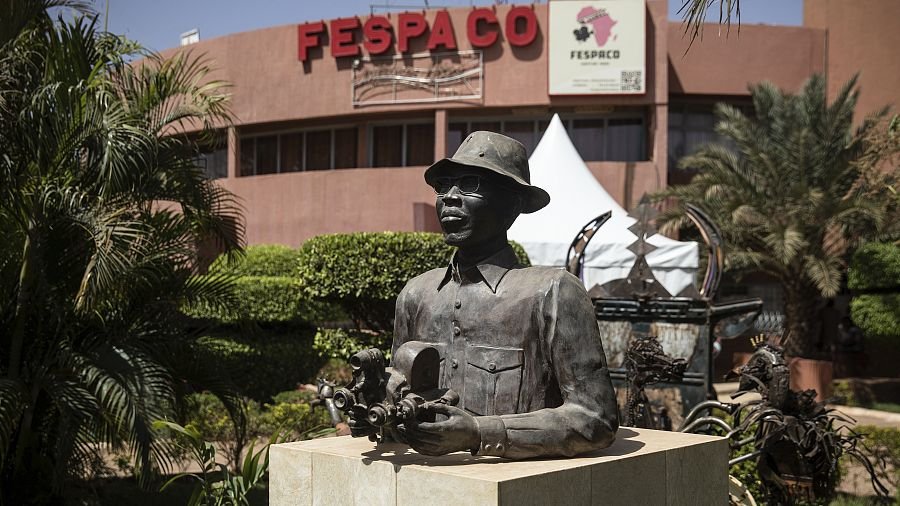
Her message that peace has no tribe and peace has no race directly challenges the ethnic divisions exploited during the conflict. This framing supports long-term stability necessary for cultural events such as the Dakar Biennale or FESPACO to expand safely into eastern DRC territories in the future.
The Artist's Duty: Role Models in Challenging Times
Gloria Bash articulated a clear duty for artists during her interview, noting that they carry values and are followed by many people. She stressed the responsibility to promote positive messages rather than division. This stance echoes the approach of Senegalese musicians like Baaba Maal, who have consistently used their influence to advocate for social cohesion.
She balances her identity as an artist to the core with her role as an advocate. Bash explained that her range includes songs about Goma itself, tracks that celebrate the city, and others that denounce atrocities. This combination allows her to maintain artistic integrity while fulfilling a civic function that many African musicians embrace.
The expectation that artists serve as role models holds particular importance in regions with limited formal education access. Young listeners in Goma and surrounding areas absorb values through music that reaches them via mobile phones, making Bash's YouTube dominance a practical channel for peace education.
Her comments on this duty come at a moment when African creative communities face pressure to remain commercially viable while addressing political realities. The example she sets in the DRC offers a template for artists in other conflict-affected zones who seek to combine career growth with advocacy.
The Broader Picture: Artists as Changemakers Across Africa
Gloria Bash's trajectory illustrates how musicians from conflict zones contribute to Africa's creative economy even under difficult conditions. Her international performances and label deal generate revenue and visibility that can eventually support local infrastructure in Goma once stability returns. Similar patterns appear in the growth of Bongowood in Tanzania and Ghallywood in Ghana.
Artists across the continent have demonstrated that music can influence public priorities, from Youssou N'Dour's social campaigns in Senegal to Highlife veterans addressing governance in Accra. Bash's insistence that peace must come before other reforms adds a Congolese perspective to these continental conversations about sequencing development and security.
The 300,000 euros raised at the Paris concert shows measurable economic impact from artist-led initiatives. When such funds reach children affected by conflict, they support the next generation of potential creators who might otherwise lose access to education and cultural participation.
Her promotion of messages that transcend tribe and race supports the kind of inclusive cultural identity that strengthens regional cooperation. Events like the MASA festival in Abidjan and the Dakar Biennale thrive when artists model cross-community dialogue, creating environments where tourism and collaboration can expand.
What to Watch For
Gloria Bash's upcoming projects will likely build on the Zoshi EP's themes while expanding her international touring schedule. Observers should note whether she returns to perform in secure parts of the DRC or continues focusing on European and African diaspora audiences in the near term.
Her continued emphasis on peace messaging could influence other Congolese artists to address the M23 situation directly in their work. This potential ripple effect matters for the overall tone of music emerging from eastern DRC in the months ahead.
Industry watchers will track how her Black Star France partnership translates into further collaborations with artists like Gims and Fally Ipupa. Such connections strengthen networks that benefit the wider Central African music sector and its integration with global platforms.
The long-term test remains whether Bash's advocacy contributes to tangible improvements in Goma's security situation. Artists alone cannot end conflicts, yet their consistent pressure on public consciousness keeps peace on the agenda when political attention shifts elsewhere.
By maintaining her focus on unity without tribe or race, Gloria Bash models a form of cultural leadership that African creative communities from Dakar to Nairobi recognize as essential for sustainable progress. Her story reminds readers that music born in conflict zones carries the power to shape narratives far beyond the immediate battlefield.
By Amara Diop, Staff Writer
This article was produced with AI-assisted research and editorial support. Reporting is based on sources cited in the article.
What's Your Reaction?
 Like
0
Like
0
 Dislike
0
Dislike
0
 Love
0
Love
0
 Funny
0
Funny
0
 Wow
0
Wow
0
 Sad
0
Sad
0
 Angry
0
Angry
0
West Africa/Sahel Correspondent at Global1.News. Dakar-based journalist covering politics, security, climate, and development across Francophone and Anglophone West Africa. Tells the stories of a region undergoing profound transformation.













Comments (0)