
CPJ Review Sparks Debate Over Journalist Deaths in Gaza
In a recent Middle East Eye report examining the risks that Israel's killings of Gaza journalists could be erased from the historical record, the Committee to Protect Journalists' decision to reassess its database has drawn sharp scrutiny from press freedom advocates and Palestinian media workers alike. CPJ Database Review Sparks Debate Over Accountability for Journalist Deaths
In a recent Middle East Eye report examining the risks that Israel's killings of Gaza journalists could be erased from the historical record, the Committee to Protect Journalists' decision to reassess its database has drawn sharp scrutiny from press freedom advocates and Palestinian media workers alike.
CPJ Database Review Sparks Debate Over Accountability for Journalist Deaths in Gaza
Ramallah, Occupied West Bank — July 3, 2026 — The Committee to Protect Journalists announced on June 25, 2026, that it is conducting a full review of its database documenting journalists killed in Gaza. The move follows the publication of obituaries by Hamas and Palestinian Islamic Jihad that identified some individuals previously listed by CPJ as journalists as combatants. Twenty Palestinian journalists have been removed from the count so far, with eight determined to be Hamas or Palestinian Islamic Jihad combatants and twelve removed for other reasons. CPJ's current tally stands at 209 journalists killed by Israel in Gaza and in Israeli detention centers since October 7, 2023.
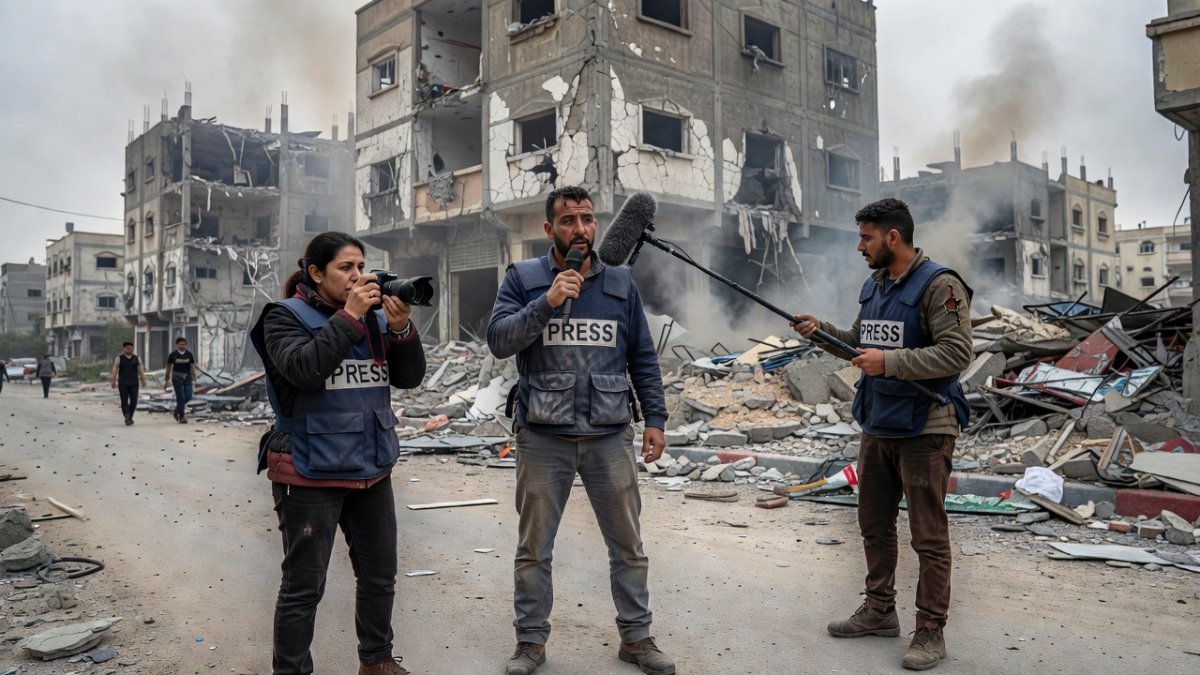
Context: The Deadliest Conflict for Journalists in Modern History
Israel has killed more journalists in Gaza than in both world wars, the Vietnam War, the wars in Yugoslavia, and the US war in Afghanistan combined. This scale underscores the unprecedented targeting of media workers during the ongoing assault on Gaza. Palestinian journalists have continued filing reports from within the besieged territory despite repeated strikes on their homes, offices, and families. The Palestinian Journalists' Syndicate maintains a separate count that exceeds 270 deaths, reflecting the daily reality faced by reporters operating under occupation and blockade.
Verification of each case has proven extraordinarily difficult. In-person access for international researchers remains blocked because Israel refuses entry to Gaza for foreign journalists. Families and colleagues in Gaza have provided documentation under conditions of extreme duress, including displacement and loss of equipment. These constraints shape how the record of journalist killings is preserved or contested.
CPJ's Review: What We Know
The review process was described by CPJ CEO Jodie Ginsberg as consistent with international humanitarian law. The organization cited obituaries issued by Hamas and Palestinian Islamic Jihad as the trigger for re-examination. Eight of the removed individuals were confirmed as combatants through this material, while the remaining twelve were excluded on separate grounds that CPJ has not fully detailed publicly.
Critics note that the review occurs without independent on-the-ground investigation. Jerusalem Post and Washington Free Beacon articles have questioned CPJ's original figures, amplifying pressure on the organization. The review is scheduled for completion in July 2026. Palestinian media outlets and families of the deceased have expressed concern that the process could reduce documented cases without equivalent scrutiny of Israeli military actions.
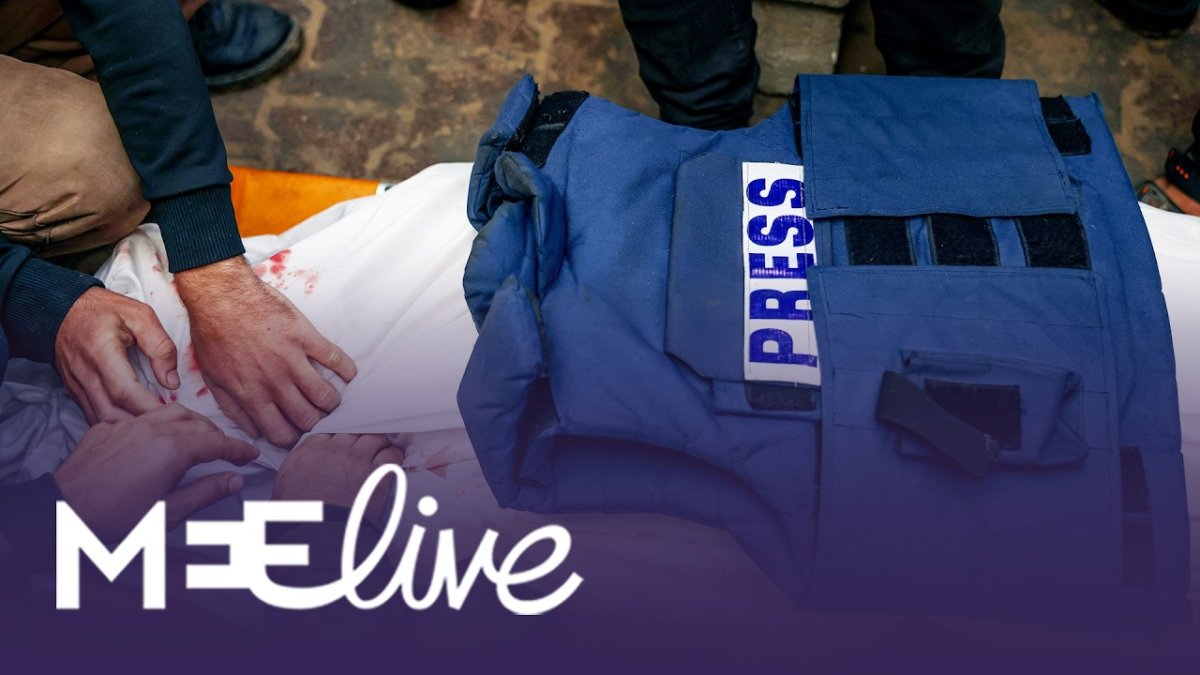
Board Member Silenced: Nika Soon-Shiong's Removal
Nika Soon-Shiong, publisher of Drop Site News and a CPJ board member, was removed from the board after raising questions about the review's scope and methodology. Soon-Shiong warned that the review carries profound implications and represents a betrayal to colleagues in Gaza who have faced the deadliest conflict for journalists ever recorded. Her departure followed internal discussions about whether the reassessment adequately accounts for the conditions under which Palestinian journalists work.
The Washington Free Beacon reported on Soon-Shiong's removal, framing it within broader debates over CPJ's counting practices. Palestinian journalists and human rights monitors view the episode as an example of how external pressure can influence institutional decisions regarding documentation of violence in Gaza.
A Changing Definition of 'Journalist'?
Mohammed el-Kurd reported that sources within CPJ indicate the organization may formally change its definition of journalist to exclude Palestinian and Lebanese journalists working for state-funded media. Such a shift would apply uneven standards, as journalists affiliated with state media in other countries have historically remained within CPJ's counts. Palestinian journalists often work for outlets that receive public funding due to the limited private media infrastructure under occupation and blockade.
This potential redefinition raises questions about consistency. Journalists in Gaza have operated under conditions where independent outlets face severe restrictions, making state-supported or faction-affiliated media among the few remaining platforms. Excluding these reporters could further narrow the documented toll on Palestinian media workers.
Why This Matters for Press Freedom
The outcome of the CPJ review will influence how the international community records attacks on journalists during the Gaza conflict. Accurate documentation supports efforts to investigate potential war crimes and preserves evidence for future accountability mechanisms. Reducing the count without transparent, on-site verification risks erasing part of the record of violence against media workers.
Palestinian journalists have described the killings as part of a broader campaign that includes the destruction of media offices, the targeting of family members, and the denial of electricity and internet needed to transmit reports. These conditions make independent verification by outside organizations nearly impossible, placing greater weight on local documentation.
Analysis and Outlook
The review's completion in July 2026 will determine whether CPJ adjusts its public figures and whether additional journalists are removed. Palestinian Journalists' Syndicate representatives have stated they will continue publishing their own tally regardless of external revisions. Human rights organizations monitoring the conflict emphasize that any reduction in numbers must be accompanied by clear evidence rather than reliance on statements from armed groups alone.
The debate over these counts occurs against the backdrop of restricted access to Gaza and ongoing military operations. Palestinian journalists remain the primary source of information from within the territory, and questions about how their deaths are classified carry direct consequences for the visibility of their work and the pursuit of justice.
By Fatima Al-Rashid, Staff Writer
This article was produced with AI-assisted research and editorial support. Reporting is based on sources cited in the article.
What's Your Reaction?
 Like
0
Like
0
 Dislike
0
Dislike
0
 Love
0
Love
0
 Funny
0
Funny
0
 Wow
0
Wow
0
 Sad
0
Sad
0
 Angry
0
Angry
0
Gulf/MENA Correspondent at Global1.News. Based in Doha, covering Gulf politics, energy markets, diplomacy, and development across the Middle East and North Africa. Tracks the economic transformation of the Gulf states.









Comments (0)