
COP30 in Belém Showcases Brazil's Climate Leadership and the $1.3 Trillion Finance Battle
COP30 in Belém Sets Bold Stage for Global Climate Finance The COP30 climate summit convened in Belém, Pará, deep in the Amazon region during November 2025, marking a historic moment for Brazil and the Global South. President Lula da Silva positioned the gathering as the “COP of truth,” where science and justice would finally converge. Delegates from over 190 nations confronted
COP30 in Belém Sets Bold Stage for Global Climate Finance
The COP30 climate summit convened in Belém, Pará, deep in the Amazon region during November 2025, marking a historic moment for Brazil and the Global South. President Lula da Silva positioned the gathering as the “COP of truth,” where science and justice would finally converge. Delegates from over 190 nations confronted the urgent need for $1.3 trillion per year in climate finance by 2035 to support developing countries. This target represents a dramatic escalation from previous pledges and places Brazil at the center of negotiations demanding stability and prosperity for vulnerable regions. Lula emphasized that rich nations must move beyond rhetoric to concrete investment, linking finance directly to deforestation reversal and adaptation. The summit highlighted how Latin America, with its vast forests and biodiversity, holds keys to planetary stability. Yet the $1.3 trillion figure also exposed deep North-South divides, as developing nations insisted on transition support while wealthy countries focused on finance mechanisms alone. Brazil’s leadership framed the event as an opportunity to reverse decades of extraction and build a new model of equitable climate action.
The Amazon Deforestation Turnaround Shows Measurable Progress
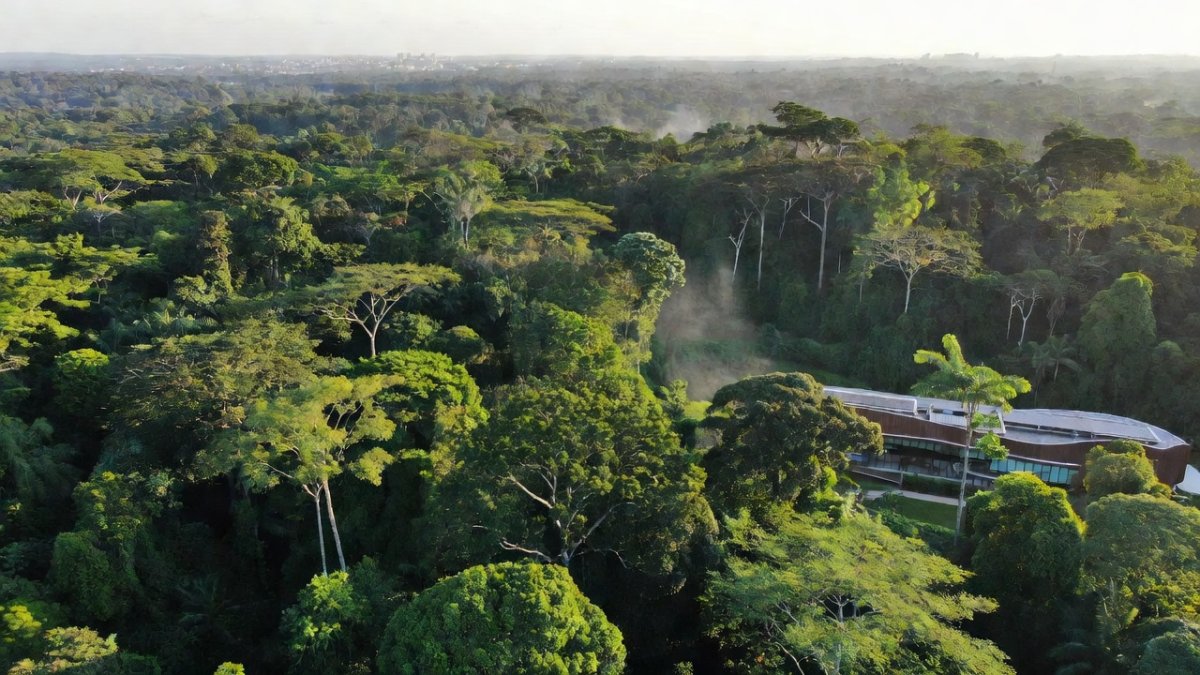
INPE’s PRODES data delivered striking evidence of Brazil’s deforestation reversal. The 2025 figure recorded just 5,796 km² of forest loss in the Legal Amazon, the lowest total in eleven years and the third consecutive annual decline. This represents roughly a 50 percent drop from the Bolsonaro-era peak in 2022 and marks the first time in recent history that deforestation fell below one million hectares. Environment Minister Marina Silva rebuilt IBAMA and ICMBio enforcement capacity by approximately 80 percent, deploying AI-powered remote monitoring, large-scale embargoes, and financial restrictions targeting illegal actors. Additional gains included a 39 percent reduction in burned area compared with recent averages and a 40 percent drop in Atlantic Forest deforestation. These results demonstrate that sustained policy, funding, and institutional strength can bend the curve. However, critics correctly note that rates remain significant and that cattle ranching, soy expansion, illegal logging, and mining continue as primary drivers. Brazil’s Congress has also pushed back against stronger enforcement tools, creating ongoing tension between progress on the ground and political resistance in Brasília.
Climate Finance Mechanisms Gain Momentum Through Amazon Fund
The revitalized Amazon Fund emerged as a centerpiece of COP30 finance discussions. Norway contributed nearly $3 billion, Germany provided around €1 billion, the United Kingdom pledged $101 million, and Brazil itself committed $1 billion. These resources support monitoring, enforcement, and sustainable development across the basin. At the summit, a new $2.6 billion public-private partnership for Amazon protection was announced, signaling growing investor confidence in Brazil’s trajectory. The fund’s success illustrates how targeted international support can deliver measurable forest protection while generating local economic benefits. Doubling adaptation finance and tripling it by 2035 formed core demands from Latin American and African nations. Brazil argued that predictable, grant-based finance must replace debt-creating loans if the Global South is to achieve both climate resilience and prosperity. The Amazon Fund model offers a replicable template for other tropical forest nations, yet scaling to the $1.3 trillion annual target will require far greater commitments from wealthy economies. Without accelerated disbursements, the deforestation gains achieved in 2025 risk reversal.
Indigenous Territories Emerge as Vital Carbon Guardians
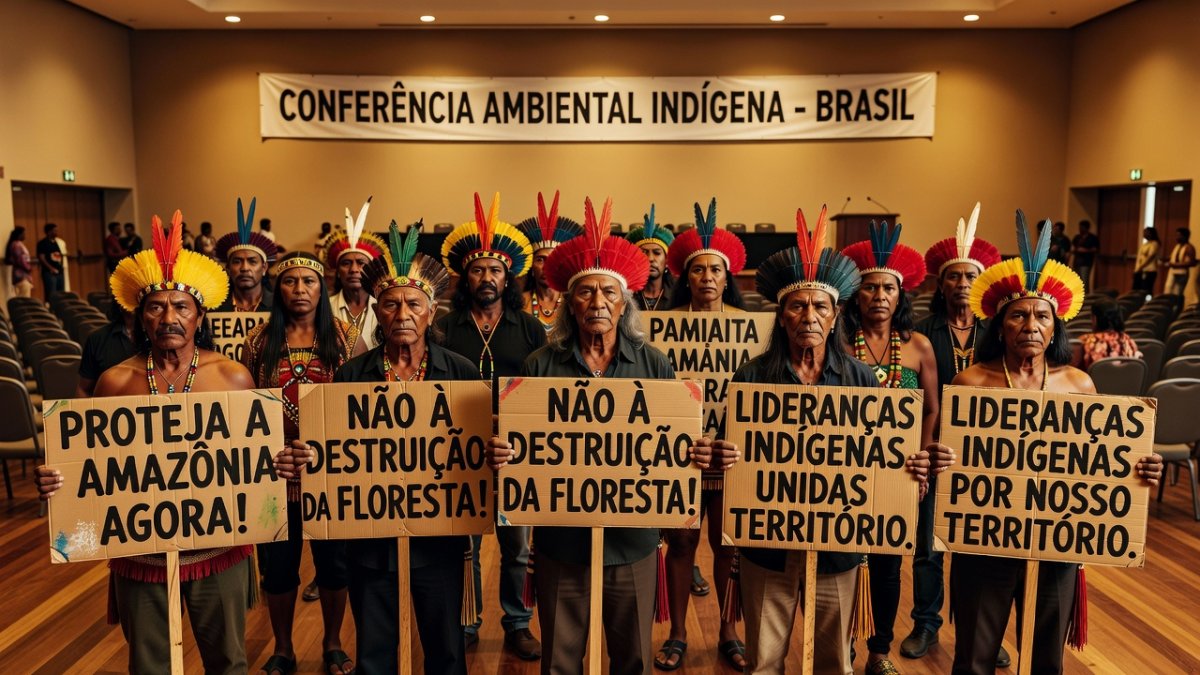
Indigenous territories across the Amazon now remove approximately 340 million tonnes of CO₂ annually, an amount equivalent to the United Kingdom’s entire yearly fossil fuel emissions. This extraordinary contribution underscores the central role of Indigenous peoples in global climate stability. Rebuilding FUNAI and strengthening SENAPRED have been essential to protecting these territories from encroachment. Indigenous communities have combined traditional knowledge with modern monitoring to prevent illegal mining and logging, delivering results that state agencies alone could not achieve. COP30 highlighted how recognizing Indigenous land rights and providing direct finance represent some of the most cost-effective climate solutions available. Brazil’s experience shows that empowering these guardians produces rapid, verifiable carbon benefits while advancing social justice. Yet Indigenous leaders continue to demand stronger legal protections and greater decision-making power over fund allocation. Their territories represent living laboratories of climate action that Latin America can scale across the continent if political will and resources align.
Latin America Weighs Brazil’s Model Against Persistent Contradictions
Brazil’s deforestation successes offer a potential model for Latin America, yet contradictions at COP30 revealed the limits of current policy. A highway constructed through a protected area near Belém caused localized deforestation, while offshore oil exploration near the Amazon river mouth drew sharp criticism for undermining climate credibility. The final COP30 deal omitted fossil fuel phase-out language despite demands from more than 80 countries, exposing the persistent tension between economic interests and climate imperatives. Cattle ranching, soy production, and mining remain powerful economic forces that continue to drive forest loss. These realities remind observers that Brazil’s progress, while significant, is incomplete. For the region, the lesson is clear: ambitious targets require consistent enforcement, diversified economies, and political courage to confront powerful sectors. Latin American nations watching COP30 closely understand that Brazil’s trajectory will shape whether the continent can lead on climate or remain vulnerable to external pressures and internal contradictions.
Voices from the Ground Demand Stronger Justice and Accountability
Indigenous protesters stormed the COP30 venue, insisting that finance and policy must match the scale of the crisis. Amnesty International condemned the final deal for placing “profits over people,” while the Climate Action Network described the justice package as incomplete. These criticisms reflect deep frustration that wealthy nations continue to delay adequate support even as evidence of climate impacts mounts across Latin America. Protesters highlighted how adaptation finance remains far below needs and how fossil fuel interests still shape outcomes. The North-South divide was palpable: developing countries sought binding transition language, while developed nations prioritized finance mechanisms that often favor loans over grants. Brazilian civil society and Indigenous groups argued that true leadership requires confronting these power imbalances rather than celebrating incremental finance pledges. Their voices ensured that COP30 could not ignore the human dimension of climate policy.
UNGA Resolution and ICJ Opinion Chart Legal Path Forward
In May 2026, a UN General Assembly resolution passed by a 141-8 vote endorsed the International Court of Justice advisory opinion declaring climate protection a legal obligation. UN Secretary-General António Guterres called the decision “a powerful affirmation of international law, climate justice, and science.” This development strengthens the hand of developing nations seeking accountability from major emitters. For Brazil and Latin America, the ruling reinforces the roadmap to halt deforestation by 2030 and supports demands for the $1.3 trillion annual finance target. The legal obligation framework shifts climate action from voluntary pledges toward enforceable responsibilities. Next steps include translating the ICJ opinion into national legislation, expanding direct finance to Indigenous territories, and pressuring wealthy nations to meet adaptation finance tripling goals by 2035. Brazil’s experience at COP30 demonstrates both the possibilities and the persistent obstacles. The coming years will test whether the legal and financial architecture now emerging can deliver the stability and prosperity the Global South requires.
By Elena Vasquez, Staff WriterThis article was produced with AI-assisted research and editorial support. Reporting is based on sources cited in the article.
What's Your Reaction?
 Like
0
Like
0
 Dislike
0
Dislike
0
 Love
0
Love
0
 Funny
0
Funny
0
 Wow
0
Wow
0
 Sad
0
Sad
0
 Angry
0
Angry
0

Latin America Correspondent at Global1.News. Based in Mexico City, covering politics, economics, energy, and culture across the region. Brings an on-the-ground perspective to stories spanning from the Rio Grande to Patagonia.














Comments (0)