
Bolivia State of Emergency: Indigenous Protests Fuel Crisis
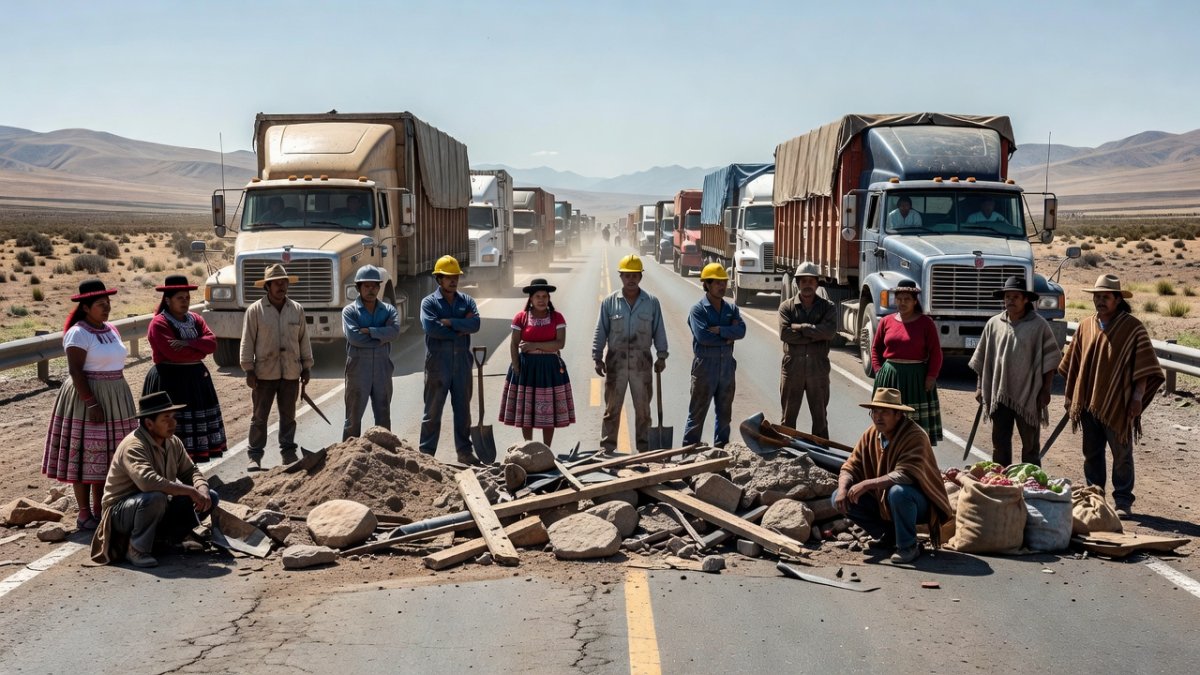
The Emergency Declaration and Its Immediate Implications Bolivian President Rodrigo Paz declared a state of emergency this week following prolonged unrest that has disrupted daily life across the country. The measure grants expanded authority to remove roadblocks erected by demonstrators, which have led to severe shortages of essential goods and halted movement in many regions.
The Emergency Declaration and Its Immediate Implications
Bolivian President Rodrigo Paz declared a state of emergency this week following prolonged unrest that has disrupted daily life across the country. The measure grants expanded authority to remove roadblocks erected by demonstrators, which have led to severe shortages of essential goods and halted movement in many regions. In his statement, Paz emphasized that the declaration aims to free the nation's roads and restore normal operations for citizens who have been unable to work, study, or access medical care. The legal framework requires Bolivia's Congress to approve or reject the emergency measure within 72 hours, creating an urgent timeline for legislative review.
The decision came after weeks of escalating tensions that have already resulted in several deaths and hundreds of arrests. Paz described the situation as one where Bolivians can no longer remain hostages to blockades that prevent basic activities such as supplying homes with sustenance. Police and military personnel were visible in main squares on Saturday as authorities prepared to implement the new powers. This development marks a significant escalation in the government's response to the crisis that began months earlier.
Observers note that the 72-hour congressional deadline places immediate pressure on lawmakers to decide the fate of the emergency powers. The declaration follows failed attempts at negotiation, including a recent agreement with the Bolivian Workers' Confederation that some groups have rejected. Roadblocks remain in place despite the deal, underscoring the challenges ahead for restoring order.
Roadblocks have paralyzed large parts of Bolivia, causing shortages of essential goods during the state of emergency. (Global 1 News)
Roots of the Crisis and the Path from April Onward
The current unrest traces its origins to protests that began at the end of April, initially sparked by a land reform proposal introduced by President Paz. Critics contended that the reform would facilitate large landowners acquiring small properties, raising fears among rural communities about displacement and loss of livelihoods. Although Paz later scrapped the measure, the momentum of discontent continued to build as other grievances surfaced. Farmers who started the demonstrations were soon joined by additional sectors affected by subsequent policy decisions.
Fuel subsidy reductions emerged as a central flashpoint alongside the scrapped land reform. These cuts formed part of broader austerity efforts that demonstrators view as harmful to everyday economic stability. The timeline shows a steady expansion of protest participation from late April through the present, with the movement evolving beyond its initial trigger. Paz has characterized the entire episode as an organized effort to destabilize the government rather than a legitimate expression of public concern.
Late last month, Congress passed legislation that eased the process for declaring emergencies and deploying soldiers, setting the stage for the current measures. This sequence of events illustrates how early policy proposals snowballed into a nationwide crisis involving multiple overlapping demands. The persistence of blockades despite the scrapped reform highlights the depth of accumulated frustrations.
Indigenous Groups at the Center of the Demonstrations
Indigenous groups, alongside miners and farmers, have played a leading role in sustaining the protests that began at the end of April. These communities have maintained roadblocks in key locations, causing widespread paralysis and shortages that affect the entire population. Their demands include the reinstatement of fuel subsidies, reversal of austerity measures, and the resignation of President Paz. Some indigenous organizations have stated they will continue demonstrating even after the recent agreement with the main union, leaving roadblocks intact.
The impact of these actions has been severe, with reports of essential supplies failing to reach communities and hospitals struggling to operate normally. Paz has appealed directly to the public, noting that blockades prevent people from receiving medical attention and earning a living. Journalists observed heightened security presence on Saturday in response to the ongoing demonstrations. The involvement of indigenous voices adds a layer of complexity, as these groups articulate concerns tied to land access and economic policies.
Comparisons with Brazil's Amazon land conflicts reveal similar tensions, where indigenous communities resist measures perceived as favoring large-scale interests over traditional territories. In Brazil, agencies such as IBAMA and FUNAI work to mediate such disputes and enforce environmental protections, offering a model that Bolivia might consider adapting. The Bolivian protests echo these regional struggles, emphasizing the need for inclusive dialogue that respects indigenous perspectives on resource use and territorial rights.
Fuel Subsidies, Austerity Measures, and Economic Pressures
Fuel subsidy reductions have become a core demand of the protest movement, reflecting widespread anxiety over rising living costs in an already strained economy. Demonstrators argue that ending long-standing subsidies disproportionately burdens lower-income households and rural populations reliant on affordable energy for transportation and agriculture. The austerity package, which includes these cuts, forms part of Paz's broader economic strategy but has fueled accusations that the government prioritizes fiscal targets over social welfare.
The economic context reveals how subsidy changes intersect with other grievances, amplifying participation in the blockades that have persisted since late April. Paz maintains that such measures are necessary for long-term stability, yet the resulting shortages have intensified public hardship. Hundreds of arrests and several deaths underscore the human cost of the standoff between authorities and demonstrators.
In comparison, Brazil's fuel pricing policies under Lula have sought to balance market realities with protections for vulnerable sectors through targeted interventions by the ANP and Petrobras. This approach has helped mitigate abrupt price shocks while maintaining fiscal discipline. Bolivia's experience suggests that abrupt subsidy withdrawals without adequate safeguards can trigger prolonged social resistance, a lesson relevant for other Latin American nations navigating similar reforms.
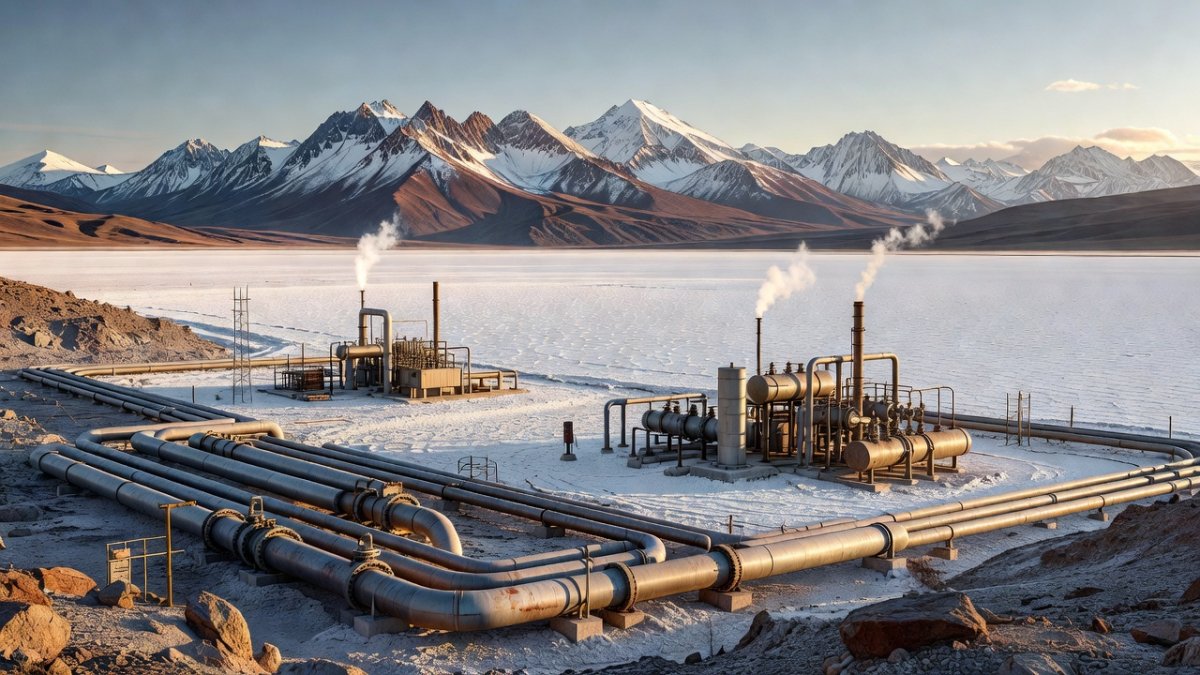
Bolivia natural resource wealth sits at the center of debates over constitutional changes and oversight. (Global 1 News)
Constitutional Changes and Shifts in Resource Governance
Proposed constitutional amendments have drawn sharp criticism from demonstrators who fear they would weaken oversight of natural resources and key economic sectors. Paz has defended the changes as essential for attracting private investment and modernizing the economy. However, opponents contend that reduced regulatory scrutiny could expose valuable assets to exploitation without sufficient accountability mechanisms in place.
The backlash against these proposals has merged with earlier protests over land reform and fuel policies, creating a broader coalition united against perceived threats to national sovereignty. The president's center-right agenda, implemented since his election last October, faces resistance from groups concerned about long-term implications for resource management. Roadblocks and strikes continue to highlight these governance disputes.
Brazil's experience with pre-salt oil reserves and Amazon conservation demonstrates the value of strong institutional frameworks, where Petrobras operates under ANP supervision while IBAMA enforces environmental standards. These mechanisms have allowed Brazil to pursue development while addressing indigenous land claims in the Amazon. Bolivia's current debates mirror these challenges, suggesting that robust oversight bodies could help reconcile investment goals with community protections.
Evo Morales and the Lingering Influence of Past Leadership
President Paz has accused former leader Evo Morales of orchestrating the current wave of protests, an allegation the ex-president has denied. Morales's left-wing legacy continues to shape political discourse, with demonstrators drawing on historical grievances that predate Paz's administration. The shadow of previous governments adds depth to the crisis, as some sectors view the present unrest as a continuation of unresolved tensions from earlier periods.
Paz has attempted to address the situation through cabinet reshuffles, salary reductions for himself and ministers, and the creation of a negotiation council aimed at engaging marginalized groups. These steps, introduced in recent weeks, have not yet succeeded in ending the blockades or satisfying core demands. The involvement of Morales's supporters remains a point of contention within the broader political landscape.
The dynamic illustrates how historical figures can influence contemporary movements even without direct participation. Late last month's congressional action on emergency powers reflects ongoing efforts to manage these inherited divisions. Bolivia's situation underscores the difficulty of governing amid competing narratives rooted in different administrations.
Regional Implications for Latin America's Resource Politics
The Bolivian crisis carries significant implications for how Latin American countries manage resource governance and social protest. The state of emergency and its 72-hour congressional review process highlight the delicate balance between executive authority and legislative oversight during periods of unrest. Neighboring nations are watching closely as Bolivia navigates demands for subsidy restoration alongside constitutional reforms.
Indigenous participation in the demonstrations connects to wider regional patterns of resistance against policies seen as favoring economic liberalization over community rights. The persistence of roadblocks despite partial agreements reveals the challenges of achieving lasting resolution when multiple grievances intersect. Paz's characterization of the protests as destabilization efforts adds a political dimension that resonates across borders.
For Brazil, the events offer parallels in managing Amazon land conflicts and fuel policy adjustments, where agencies like FUNAI and IBAMA play mediating roles. The Bolivian experience reinforces the importance of inclusive approaches that address indigenous concerns while pursuing economic objectives. As the 72-hour deadline approaches, the outcome may influence how other countries in the region handle similar tensions between austerity, resource control, and social stability.
By Elena Vasquez, Staff WriterThis article was produced with AI-assisted research and editorial support. Reporting is based on sources cited in the article.
What's Your Reaction?
 Like
0
Like
0
 Dislike
0
Dislike
0
 Love
0
Love
0
 Funny
0
Funny
0
 Wow
0
Wow
0
 Sad
0
Sad
0
 Angry
0
Angry
0

Latin America Correspondent at Global1.News. Based in Mexico City, covering politics, economics, energy, and culture across the region. Brings an on-the-ground perspective to stories spanning from the Rio Grande to Patagonia.












Comments (0)