
ICMR-AIIMS: No Link Between COVID Vaccines and Sudden Deaths
Over the past two years, a wave of concern has swept across India over reports of sudden, unexplained deaths among young adults — many of them seemingly healthy individuals in the 18 to 45 age group. Social media speculation and political statements fuelled public fears, with some questioning whether COVID-19 vaccines were to blame. Now, rigorous scientific research by India's
Over the past two years, a wave of concern has swept across India over reports of sudden, unexplained deaths among young adults — many of them seemingly healthy individuals in the 18 to 45 age group. Social media speculation and political statements fuelled public fears, with some questioning whether COVID-19 vaccines were to blame. Now, rigorous scientific research by India's premier medical institutions has provided a clear, data-driven answer: there is no link between COVID-19 vaccination and sudden deaths in young Indians.
ICMR and AIIMS Studies Conclusively Clear COVID-19 Vaccines of Link to Sudden Deaths in Young Adults
New Delhi, India – June 22, 2026 — In July 2025, the Union Ministry of Health and Family Welfare released findings from two major studies that conclusively debunk the vaccination-sudden death hypothesis. The research, conducted by the Indian Council of Medical Research (ICMR) and the All India Institute of Medical Sciences (AIIMS) New Delhi, represents one of the most comprehensive investigations into post-pandemic mortality patterns among India's youth.
The Largest Study of Its Kind in India
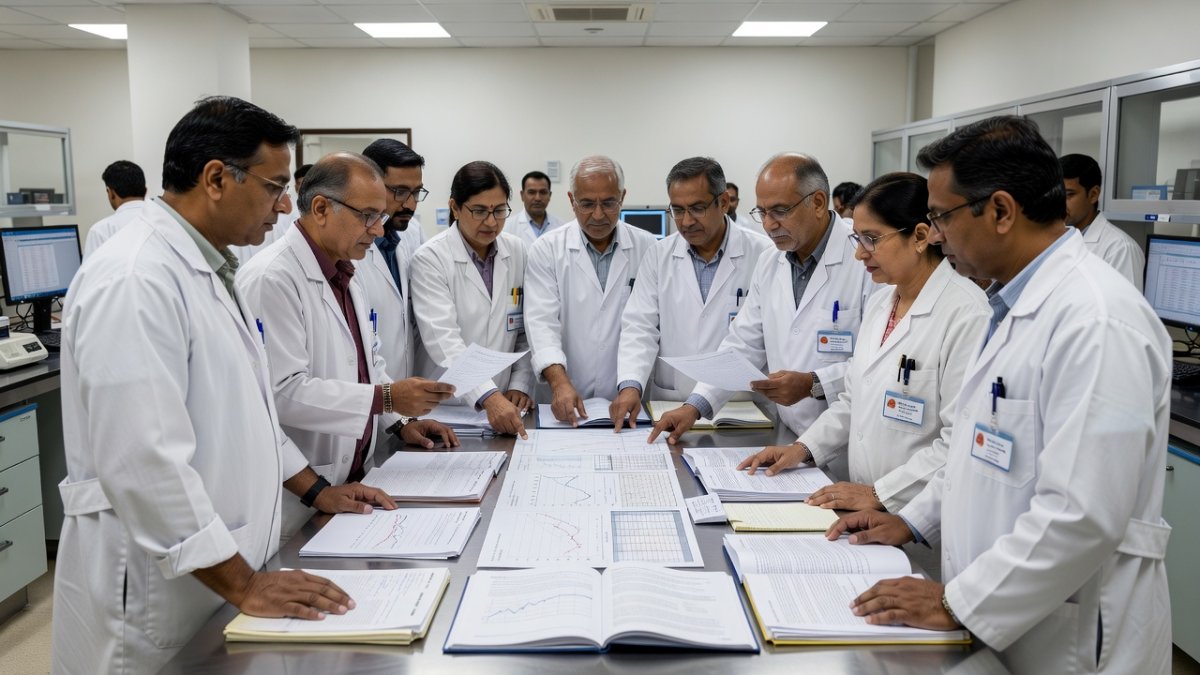
The primary study was conducted as a matched case-control investigation between May and August 2023. Researchers at 47 tertiary care hospitals spread across 19 states and Union Territories examined individuals aged 18 to 45 who had died from unexplained causes during the period from 1 October 2021 to 31 March 2023. For every case of unexplained sudden death, four controls — matched for age, gender, and geographic location — were included in the analysis. This 4:1 case-to-control ratio provided robust statistical power.
The geographical breadth of the study was remarkable. States ranging from Jammu and Kashmir in the north to Tamil Nadu in the south, and from Gujarat in the west to Assam in the east, were represented. Urban and rural populations alike were included, ensuring that the findings reflected India's vast demographic diversity. Tertiary care hospitals — facilities with advanced diagnostic capabilities — were chosen to ensure accurate determination of cause of death.
Vaccination: Not a Risk Factor
The study's central finding was unequivocal. COVID-19 vaccination did not increase the risk of unexplained sudden death among young adults. There was no statistically significant association between vaccination status — whether an individual had received one dose, two doses, or a booster — and the likelihood of sudden mortality.
In fact, some data from the study suggested the opposite. Vaccination appeared to have a protective effect, reducing the odds of sudden death in certain subsets of the population. This aligns with the well-documented role of COVID-19 vaccines in preventing severe disease, hospitalisation, and death from the coronavirus itself. The Ministry of Health and Family Welfare stated in its 2 July 2025 press release that the findings "conclusively show that COVID-19 vaccination does not increase the risk of unexplained sudden death in young adults."
The Real Risk Factors: What the Data Revealed
The study did not leave the public in a vacuum. By identifying the genuine risk factors associated with sudden deaths, it provided actionable insights for prevention. The analysis found that the following factors were significantly associated with unexplained sudden death among young Indians:
1. Past COVID-19 Hospitalisation: Individuals who had been hospitalised with severe COVID-19 infection showed a markedly elevated risk of subsequent sudden death. This points to long-term damage from severe SARS-CoV-2 infection — including myocarditis, fibrosis, and vascular complications — as a genuine concern, distinct from vaccine safety.
2. Family History of Sudden Death: A strong genetic component emerged. Those with a family history of sudden cardiac death — particularly among first-degree relatives — were at significantly higher risk. This highlights the importance of family health history screening in routine medical check-ups.
3. Smoking and Tobacco Use: Tobacco consumption, in both smoking and smokeless forms, was highly prevalent among cases compared to controls. India is home to approximately 267 million tobacco users, and this study adds weight to existing public health warnings.
4. Alcohol Consumption and Binge Drinking: Regular alcohol use, particularly patterns of binge drinking, emerged as a significant contributor. This finding is especially relevant given rising alcohol consumption rates among urban Indian youth.
5. Drug Use: Substance abuse, including recreational drug use, was identified as a risk factor. The study noted that drug use was significantly more common among sudden death cases than among matched controls.
6. Coronary Artery Disease: Among cases where an autopsy or post-mortem examination was conducted, coronary artery disease was identified as the leading cause of sudden cardiac death. This finding underscores the growing burden of cardiovascular disease in India's younger population — a trend that cardiologists have been warning about for years.
India's Vaccination Journey: 2.2 Billion Doses and Counting
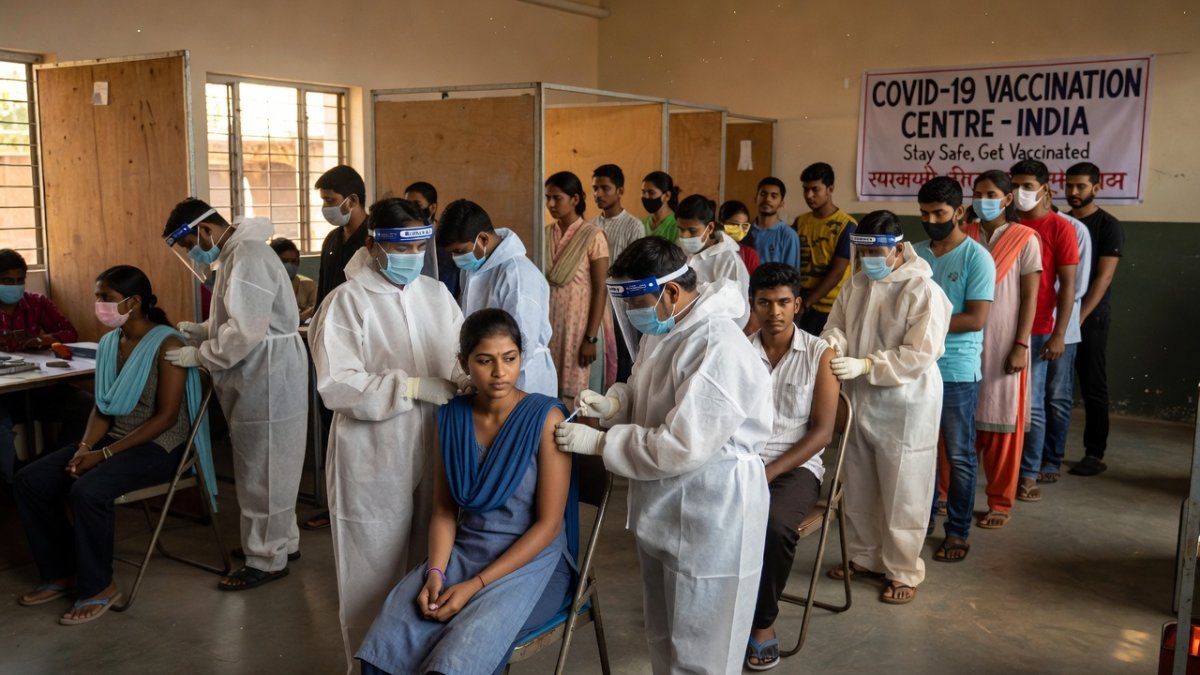
India's COVID-19 vaccination programme was one of the largest public health initiatives in human history. By June 2026, more than 2.2 billion doses had been administered nationwide, covering over 95 percent of the adult population with at least one dose and over 85 percent with full vaccination. The Serum Institute of India, manufacturer of the Covishield vaccine, reaffirmed its safety profile following the ICMR-AIIMS findings.
The sheer scale of India's vaccination drive provides an enormous real-world dataset. If vaccines were causing sudden deaths at any meaningful rate, the signal would have been unmistakable across such a large population. The absence of such a signal — confirmed by a rigorous matched case-control study — is among the strongest evidence available anywhere in the world for vaccine safety in this demographic.
Government Response and Institutional Clarity
The Union Ministry of Health and Family Welfare, under the leadership of the Directorate General of Health Services, took a proactive approach to addressing public concerns. On 2 July 2025, the Ministry issued a detailed press release summarising the findings of both the ICMR study and the ongoing AIIMS investigation.
Dr. Rajiv Bahl, then Director General of ICMR, was quoted as stating that the evidence "leaves no room for doubt" regarding vaccine safety. The Ministry also addressed political statements questioning vaccine safety, including remarks made by Karnataka Chief Minister Siddaramaiah, who had urged the Centre to investigate potential links. The Ministry categorically stated that "caution should not come at the cost of scientific evidence."
An ongoing AIIMS New Delhi study, titled "Establishing the Cause in Sudden Unexplained Deaths in Young" and conducted in collaboration with ICMR, continues to examine remaining questions. This study focuses on post-mortem imaging, genetic analysis, and detailed verbal autopsies to further refine understanding of sudden death mechanisms.
The National Centre for Disease Control (NCDC), operating under the Ministry of Health and Family Welfare, also conducted parallel analyses that corroborated the ICMR-AIIMS findings. The convergence of results from multiple independent research bodies strengthens the overall scientific consensus.
Implications for Indian Public Health Policy
The policy implications of this research are significant and multidimensional. First, the findings should reinforce public confidence in India's vaccination programme. Vaccine hesitancy fuelled by unfounded safety concerns has been a persistent challenge for health authorities worldwide. India's own data now provides a powerful counter-narrative grounded in domestic research.
Second, the identification of modifiable risk factors — smoking, alcohol consumption, drug use — opens clear avenues for targeted public health interventions. The Ministry of Health and Family Welfare can now redirect resources toward tobacco cessation programmes, alcohol regulation, and substance abuse prevention, knowing these are the genuine drivers of avoidable mortality among young adults.
Third, the strong association with family history of sudden death suggests that routine cardiovascular screening should be expanded. India's Ayushman Bharat scheme, which already provides health coverage to over 500 million beneficiaries, could incorporate family-history-based risk assessment for sudden cardiac death as a standard component of primary care.
Fourth, the link between past COVID-19 hospitalisation and subsequent sudden death calls for enhanced post-COVID follow-up protocols. Patients discharged after severe COVID-19 infection should receive cardiac evaluation, including echocardiography where indicated, as part of standard post-discharge care under India's healthcare framework.
What This Means for Indian Citizens
For the average Indian citizen and taxpayer, these findings carry reassuring clarity. The vaccines that over a billion Indians received are safe. The government institutions tasked with monitoring vaccine safety — ICMR, AIIMS, NCDC, the Ministry of Health — have done their job thoroughly and transparently.
At the same time, the study should serve as a wake-up call on lifestyle factors. Smoking, drinking, drug use, and undiagnosed heart conditions are preventable causes of death that claim thousands of young lives each year. The data from this study provides a roadmap for personal health decisions as much as for public policy.
For families who have lost loved ones to sudden death and wondered whether the vaccine was to blame, this research offers the closure of scientific truth. The cause lies elsewhere — in genetics, in lifestyle, in the lasting effects of severe COVID-19 infection — and each of these is addressable through evidence-based intervention.
The Bottom Line
The ICMR-AIIMS research delivers unambiguous, data-driven clarity for India. COVID-19 vaccination does not cause sudden deaths in young adults. The genuine risk factors — past severe COVID-19, family cardiac history, smoking, alcohol, drug use, and coronary artery disease — are all identifiable and, to varying degrees, preventable.
India's healthcare system, from the Ministry of Health and Family Welfare down to district-level primary health centres, now has a clear evidence base to guide policy. For the 1.4 billion citizens this research serves, the message is simple: get vaccinated, watch your lifestyle, know your family history, and seek cardiac screening if you have risk factors. The science has spoken.
— By Dr. Raj Patel, Staff Writer
This article was produced with AI-assisted research and editorial support. Reporting is based on sources cited in the article.
What's Your Reaction?
 Like
0
Like
0
 Dislike
0
Dislike
0
 Love
0
Love
0
 Funny
0
Funny
0
 Wow
0
Wow
0
 Sad
0
Sad
0
 Angry
0
Angry
0

India/South Asia Correspondent at Global1.News. Analytical voice with a background in science and health journalism. Based in New Delhi, covering Indian politics, education, healthcare, technology, and policy. Breaks down complex data into clear, actionable reporting.














Comments (0)