
Bolivia Protests: Is Evo Morales Behind the Unrest?
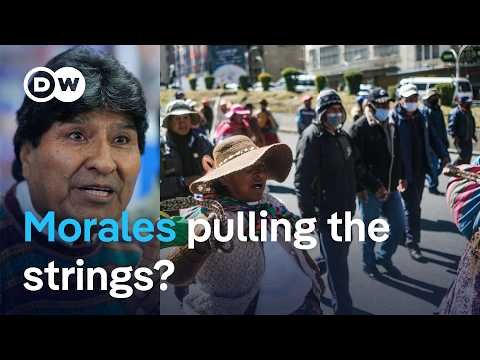
The DW News video titled Bolivia protests: Is Evo Morales behind the unrest features Professor Eduardo Gamarra offering key insights into the turmoil gripping the nation. This situation resonates with families throughout Latin America who understand how sudden policy shifts and political tensions can upend daily life and long-term security for ordinary households. Bolivia Prote
The DW News video titled Bolivia protests: Is Evo Morales behind the unrest features Professor Eduardo Gamarra offering key insights into the turmoil gripping the nation. This situation resonates with families throughout Latin America who understand how sudden policy shifts and political tensions can upend daily life and long-term security for ordinary households.
Bolivia Protests: Is Evo Morales Behind the Unrest?
La Paz, Bolivia — June 2026 —
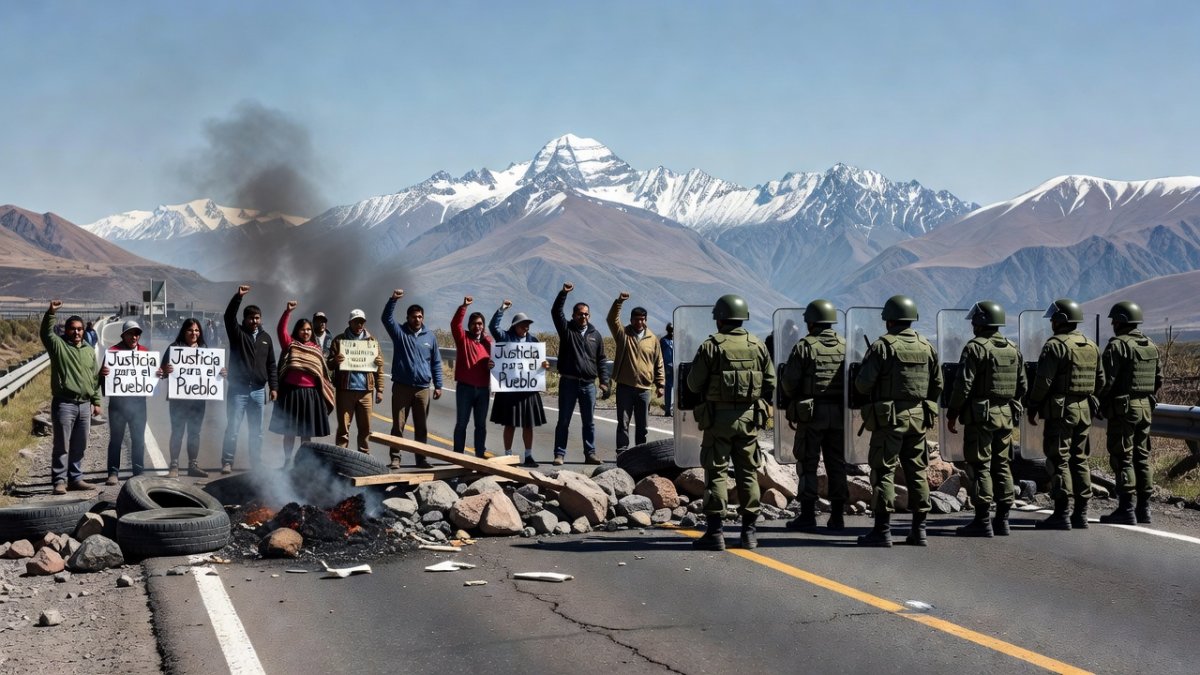
State of Emergency Declared
President Rodrigo Paz announced the state of emergency on June 20 2026 after more than fifty days of widespread road blockades that paralyzed transportation across the country. He explained that authorities had exhausted all avenues of dialogue with protest leaders before turning to this measure. Military units were deployed to key highways and urban centers in La Paz and surrounding regions to restore order and protect essential supply routes for families struggling to access basic goods.
The decision came amid growing concerns that continued unrest would deepen economic hardship for working households already dealing with rising costs. Paz emphasized that the military presence aimed to safeguard civilians rather than suppress legitimate voices. Local officials coordinated with community leaders in El Alto to distribute emergency food packages to mothers and children affected by the disruptions in markets and schools.
Residents in neighborhoods like Villa Fatima reported mixed reactions to the deployment with some welcoming the return of relative calm while others worried about potential confrontations. The government promised transparent oversight of operations to maintain public trust. This move marked a significant escalation in efforts to resolve the crisis that had already caused substantial losses for small businesses and family farms reliant on timely deliveries.
The Fuel Subsidy Spark
In May 2026 the Paz administration ended fuel subsidies that had been in place for two decades citing unsustainable fiscal pressures from global price fluctuations. The immediate result was a thirty percent spike in gasoline and diesel costs that hit working families particularly hard in rural and urban areas alike. Many households in La Paz adjusted budgets by cutting back on transportation and food purchases leaving parents to seek alternative ways to support their children.
Market vendors in El Alto described how higher fuel prices quickly translated into increased costs for transporting produce and goods from distant farms. Families who once relied on affordable public buses now faced difficult choices between paying for school supplies or filling household tanks. Government data indicated that low income earners bore the brunt of the adjustment as inflation crept upward in basic commodities.
Community organizations in the highlands organized meetings to discuss coping strategies including shared rides and local barter systems. The policy shift aimed to redirect funds toward infrastructure projects but critics argued it overlooked the immediate needs of ordinary Bolivians. These changes set the stage for broader discontent that soon manifested in organized demonstrations across multiple departments.
The Blockade Crisis
Road blockades lasting more than fifty days severely restricted access to La Paz and El Alto creating acute shortages of food fuel and medicine for thousands of families. Truck drivers reported being unable to deliver supplies from the lowlands leading to empty shelves in neighborhood stores and clinics turning away patients due to lack of basic pharmaceuticals. The economic toll reached hundreds of millions of dollars in lost productivity and spoiled goods.
Indigenous communities along major routes like the highway to Oruro maintained the blockades using traditional methods of protest that included cultural symbols and collective decision making. Families in affected zones improvised by stockpiling essentials and relying on neighbors for support during the prolonged standoff. Health workers noted rising cases of stress related illnesses among parents worried about providing for their households.
Local governments attempted limited airlifts for critical items but these efforts proved insufficient for the scale of need. The blockades disrupted school schedules forcing many children to miss classes and affecting long term educational outcomes in Aymara communities. Business owners in the capital described mounting debts as customers stayed home amid the uncertainty and transportation chaos.
Evo Morales Accused
President Paz publicly accused former leader Evo Morales of orchestrating the unrest through his network of supporters in rural strongholds. Morales who remains in fugitive status after previous legal issues denied any direct involvement and instead framed the protests as an Indigenous uprising against a neoliberal economic model. He called for Paz to resign immediately and demanded fresh national elections to address the grievances of ordinary citizens.
Supporters of Morales gathered in Cochabamba to echo his message emphasizing that the fuel policy changes ignored the realities faced by farming families. Government officials countered with evidence of coordinated messaging from Morales allies on social media that appeared to encourage continued blockades. This exchange heightened political tensions and complicated efforts at negotiation between the administration and protest representatives.
International observers noted that Morales retained significant influence among certain sectors despite his legal challenges. Families in the altiplano expressed divided loyalties with some viewing him as a defender of Indigenous rights while others blamed prolonged instability on his calls to action. The accusations added a personal dimension to the crisis affecting community relations in towns where political affiliations run deep.
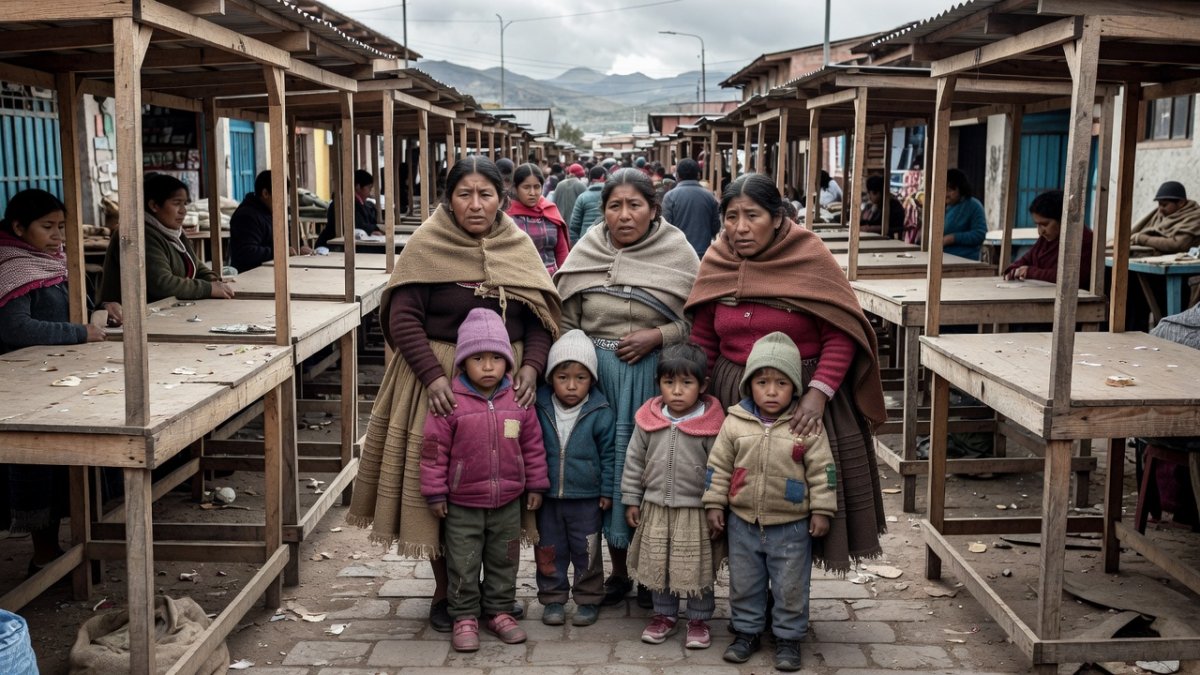
Impact on Ordinary Bolivians
Working families in El Alto markets struggled daily as vendors could no longer reliably stock fresh produce due to the blockades leaving mothers to stretch limited resources for evening meals. Children in Aymara villages missed weeks of school when buses stopped running forcing parents to choose between education and safety amid reports of sporadic clashes. Clinic shortages meant that elderly relatives went without regular medications increasing anxiety in multigenerational households.
Small business owners like those operating family owned transport services faced bankruptcy as fuel costs soared and routes remained closed. Community kitchens emerged in La Paz neighborhoods to feed families hit hardest by the shortages drawing on donations from unaffected regions. These grassroots efforts highlighted the resilience of ordinary Bolivians while underscoring the human cost of the political standoff.
Health officials documented increased malnutrition risks among young children in blockaded areas where milk and staples became scarce. Parents shared stories of pooling money for collective purchases to maintain some normalcy for their kids. The crisis tested the social fabric of communities that had long depended on steady economic conditions to support their aspirations for better futures.
Regional Implications
Neighboring countries including Mexico Brazil and Argentina closely monitored the developments in Bolivia concerned about potential spillover effects on trade and migration patterns. Democratic transitions in the region faced renewed pressure as the emergency measures raised questions about institutional stability and the handling of public dissent. Regional bodies discussed possible mediation roles to prevent further escalation that could affect cross border families.
Brazilian officials expressed worry over disruptions to energy exports while Argentine analysts highlighted risks to agricultural supply chains that support jobs on both sides of the border. Mexican diplomats offered quiet support for dialogue initiatives drawing from their own experiences with social movements. These regional dynamics illustrated how events in one nation can ripple outward to influence everyday economic decisions for families across Latin America.
Stability in Bolivia remained a priority for international partners invested in the Andean corridor. The crisis prompted calls for stronger mechanisms to support democratic processes during economic transitions. Families in border communities prepared contingency plans in case the unrest prolonged and affected travel or remittances that many households rely upon for survival.
Expert Analysis and Path Ahead
Professor Eduardo Gamarra assessed the situation in the DW News interview noting that underlying economic grievances over subsidy removal combined with political rivalries to fuel the prolonged unrest. He pointed out that military presence on the streets of La Paz provided short term security but risked deepening divisions if dialogue did not resume promptly. Gamarra emphasized the need for inclusive talks that address the concerns of working families and Indigenous groups alike.
Prospects for renewed negotiations appeared limited as both sides maintained firm positions with the government insisting on order before concessions. Economic experts recommended targeted relief measures such as temporary vouchers for fuel and food to ease pressures on households in El Alto and rural zones. These steps could help rebuild trust while broader reforms are debated in congress.
The path ahead involves balancing security needs with respect for protest rights to avoid further alienation of ordinary citizens. Community leaders advocated for local forums where families could voice their experiences directly to policymakers. Sustained attention to these human elements remains essential for any lasting resolution that supports stability and prosperity across Bolivia.
By Rosa Martinez, Staff WriterThis article was produced with AI-assisted research and editorial support. Reporting is based on sources cited in the article.
What's Your Reaction?
 Like
0
Like
0
 Dislike
0
Dislike
0
 Love
0
Love
0
 Funny
0
Funny
0
 Wow
0
Wow
0
 Sad
0
Sad
0
 Angry
0
Angry
0
Latin America/Andes Correspondent at Global1.News. Based in Bogota, covering politics, environment, energy, and social movements across the Andean region. Passionate about environmental journalism and communities protecting their land.












Comments (0)