
BOJ Raises Benchmark Rate to 1.0% in 31-Year High
**Keywords:** Bank of Japan, interest rate hike, 1.0 percent, Kazuo Ueda, Nikkei 225, USD JPY, inflation forecast, JGB yields, variable mortgages, monetary policy normalization BOJ Policy Board Approves 25-Basis-Point Increase The Bank of Japan Policy Board voted 7-1 on June 16, 2026, to raise the benchmark policy rate by 25 basis points from 0.75 percent to 1.0 percent. Board
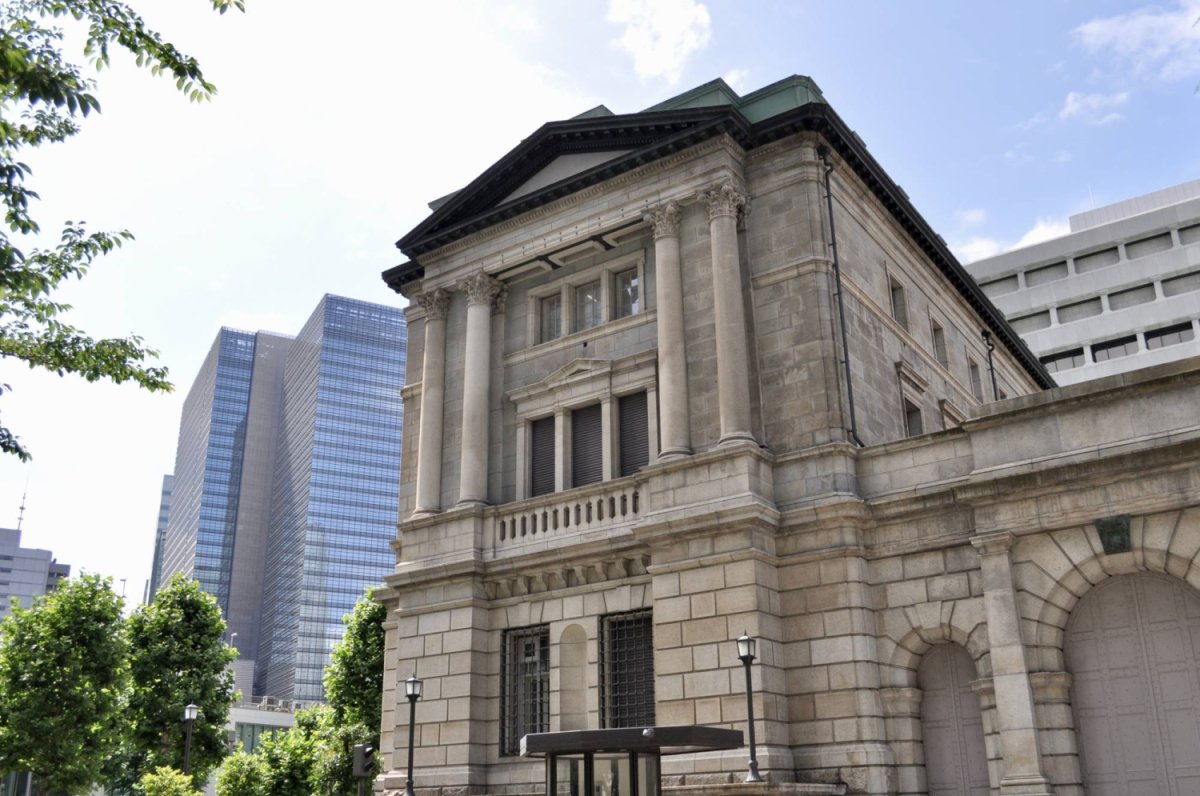
BOJ Policy Board Approves 25-Basis-Point Increase
The Bank of Japan Policy Board voted 7-1 on June 16, 2026, to raise the benchmark policy rate by 25 basis points from 0.75 percent to 1.0 percent. Board member Toichiro Asada cast the sole dissenting vote.
This marks the highest policy rate level since 1995, representing a 31-year high. The decision follows the previous increase to 0.75 percent implemented in December 2025.
Market Response on Decision Day
The Nikkei 225 index briefly exceeded 70,000 for the first time in its history before closing at 69,404.5. The USD/JPY pair remained above 160, trading near 160.35 after the announcement.
Japanese government bond yields rose across the curve following the decision. The move aligns with the BOJ's ongoing shift away from ultra-loose monetary policy that had persisted for decades.
Inflation Outlook and Drivers
The BOJ's inflation forecast for fiscal year 2026 stands at approximately 2.8 percent, remaining above the 2 percent target. Headline inflation continues to reflect commodity price pressures stemming from Middle East tensions and elevated energy costs.
Governor Kazuo Ueda stated that the central bank will continue monitoring price developments and stands ready to adjust policy as needed. The statement signaled that additional rate increases remain under consideration.
Impact on Japanese Households and Corporate Sector
Variable-rate mortgages, which dominate Japan's housing loan market, are expected to increase in line with the higher policy rate. Household budgets will face additional pressure from rising interest payments alongside elevated energy expenses.
Corporate Japan, including exporters and domestic manufacturers tracked by METI, will experience higher funding costs. Companies reliant on yen-denominated borrowing must now incorporate the new rate level into capital expenditure planning.
International Context and yen Movements
The BOJ action follows comparable tightening steps by the European Central Bank and Bank Indonesia. The USD/JPY exchange rate holding above 160 indicates that the rate differential with the Federal Reserve remains wide despite the latest hike.
Analysts surveyed by Reuters had largely anticipated the June decision. Market participants now price in the possibility of one further increase before the end of 2026.
Outlook for Further Tightening
The BOJ's communication indicates that policy normalization will proceed gradually. Governor Ueda emphasized data dependence rather than a predetermined schedule for subsequent moves.
Japanese institutional investors and regional banks are adjusting duration exposure in JGB portfolios as yields rise. The normalization process continues to reshape balance-sheet strategies across the financial sector.
Tags: Bank of Japan, interest rate, Kazuo Ueda, Nikkei 225, inflation, JGB, mortgages, yen
By Kenji Tanaka, Staff Writer
This article was produced with AI-assisted research and editorial support. Reporting is based on sources cited in the article.
What's Your Reaction?
 Like
0
Like
0
 Dislike
0
Dislike
0
 Love
0
Love
0
 Funny
0
Funny
0
 Wow
0
Wow
0
 Sad
0
Sad
0
 Angry
0
Angry
0

Japan Correspondent at Global1.News. Tokyo-based voice covering Japanese politics, technology, economy, and culture. Tracks the intersection of tradition and innovation in one of the world's most dynamic societies.















Comments (0)