
Beyond Pride: Inclusion as a Driver of Economic and Social Progress
Bangkok Hosts Dialogue on Inclusion Beyond Pride Month The Bangkok Post Pride Dialogue 2026 took place on June 26 in Bangkok with a focused panel titled Beyond Pride: Inclusion as a Driver of Economic and Social Progress. Participants examined how diversity initiatives now shape business strategies across Thailand rather than remaining limited to social discussions. The event o
Bangkok Hosts Dialogue on Inclusion Beyond Pride Month
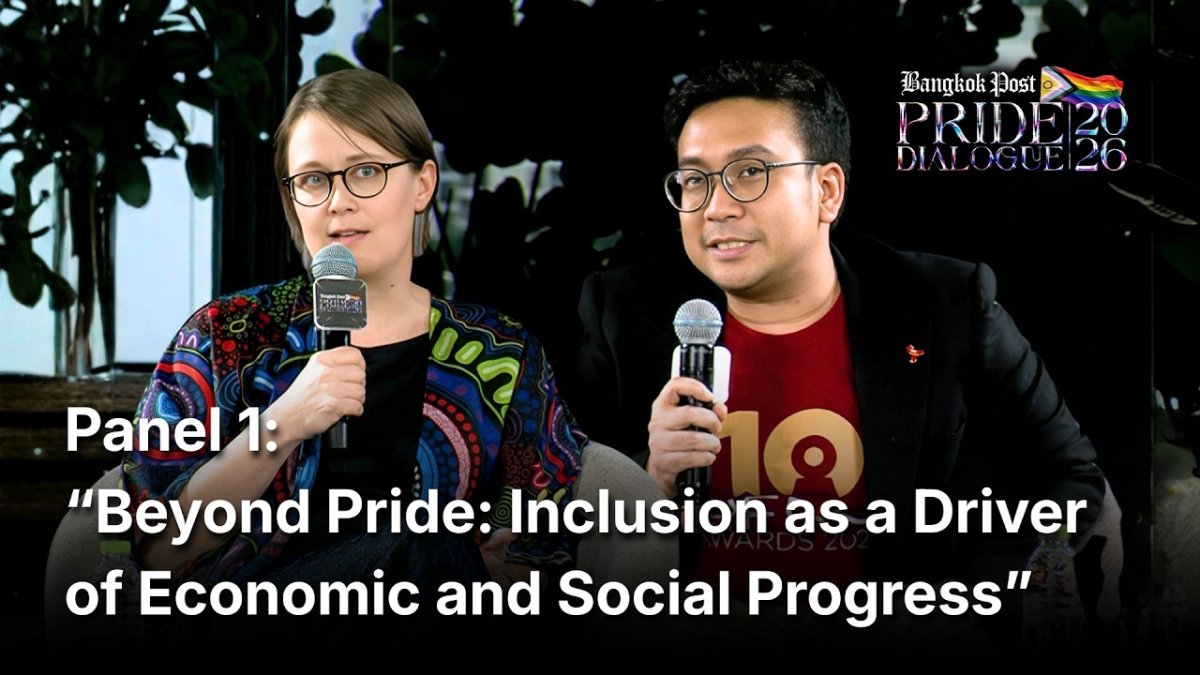
The Bangkok Post Pride Dialogue 2026 took place on June 26 in Bangkok with a focused panel titled Beyond Pride: Inclusion as a Driver of Economic and Social Progress.
Participants examined how diversity initiatives now shape business strategies across Thailand rather than remaining limited to social discussions.
The event occurred during Pride Month 2026 when nationwide celebrations highlighted LGBTQ+ visibility in the capital and other provinces.
Panel Speakers Share Regional Expertise
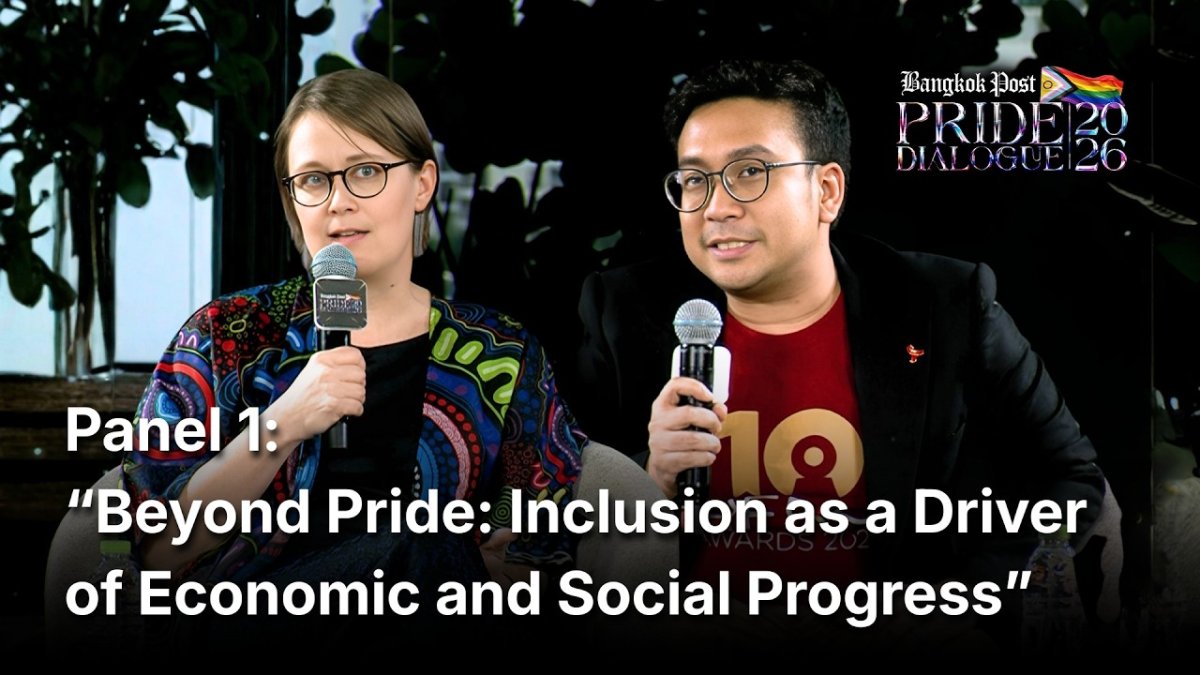
Lisa Davidson, acting counsellor for economic affairs and Pride Champion at the Australian Embassy in Thailand, joined the discussion from her diplomatic post in Bangkok.
Numan Afifi, programme and advocacy lead at the APCOM Foundation focused on Asia Pacific male sexual health, contributed perspectives drawn from work across multiple Southeast Asian countries.
Their exchange centered on concrete examples of how inclusive policies translate into measurable economic activity in Thailand and neighboring markets.
Marriage Equality Act Opens New Economic Pathways
Thailand became the first Southeast Asian nation to enact same-sex marriage legislation through the Marriage Equality Act that took effect in January 2026.
This legal step directly supports the growth of the Pink Economy that now spans tourism, entertainment, media, and creative sectors in Bangkok, Phuket, and Chiang Mai.
Local businesses in these cities report increased visitor interest tied to inclusive environments that align with Thailand's broader soft power approach.
Creative Sector Leaders Highlight Practical Value
A related panel at the same Bangkok event, Pink Economic: From Visibility to Economic Value, featured Tanachai Kulsomboonsin, CEO of Canvas Ventures International.
Alisa Phanthusak Kunpalin, managing director of Tiffany's Show Pattaya, and actor and executive director Chindanai Dechawaleekul of SOF Studios also participated.
These speakers outlined specific projects where LGBTQ+ inclusion drives revenue in entertainment districts and media production hubs around Pattaya and Bangkok.
ASEAN Context Strengthens Thailand's Regional Role
Thailand's early adoption of marriage equality positions the country as a reference point for other ASEAN members exploring similar policies.
Regional tourism flows benefit when travelers from Malaysia, Singapore, and Indonesia seek welcoming destinations during festivals and holiday periods.
Thai government agencies including the Ministry of Tourism and Sports have incorporated LGBTQ+ inclusivity into promotional campaigns aimed at the broader Southeast Asian market.
Community and Cultural Connections Across Thailand
Buddhist temples in Bangkok and the Isaan region continue to serve as gathering points where local communities discuss compassion and acceptance in daily life.
These conversations intersect with Pride Month activities that encourage participation from families and neighborhood groups in provincial areas.
Such cultural grounding helps sustain long-term support for inclusion policies that affect education, healthcare access, and workplace practices nationwide.
Future Steps for Sustained Economic and Social Gains
Continued collaboration between embassies, foundations such as APCOM, and Thai creative enterprises will shape how the Pink Economy expands in coming years.
Observers note that clear implementation of the Marriage Equality Act remains essential for maintaining investor confidence in tourism and media projects.
Thailand's experience offers practical lessons for ASEAN partners seeking to balance cultural traditions with economic opportunities in an interconnected region.
By Ann Srisawat, Staff WriterThis article was produced with AI-assisted research and editorial support. Reporting is based on sources cited in the article.
What's Your Reaction?
 Like
0
Like
0
 Dislike
0
Dislike
0
 Love
0
Love
0
 Funny
0
Funny
0
 Wow
0
Wow
0
 Sad
0
Sad
0
 Angry
0
Angry
0

Southeast Asia Correspondent at Global1.News. Based in Bangkok, covering Thai and Southeast Asian politics, economy, technology, and culture. Deep regional perspective on one of the world's most dynamic regions.














Comments (0)