
One Ticket for Bangkok Trains: Cabinet Approves 17-45 Baht Common Fare Plan
The Cabinet's Approval Brings Hope to Bangkok Commuters The Thai Cabinet approved a cost-of-living measure this week to introduce a common fare system across urban rail transit lines in Bangkok. Deputy Prime Minister and Transport Minister Phiphat Ratchakitprakarn announced the policy on Tuesday, setting fares between 17 and 45 baht under a single-ticket scheme. This decision c
The Cabinet's Approval Brings Hope to Bangkok Commuters
The Thai Cabinet approved a cost-of-living measure this week to introduce a common fare system across urban rail transit lines in Bangkok. Deputy Prime Minister and Transport Minister Phiphat Ratchakitprakarn announced the policy on Tuesday, setting fares between 17 and 45 baht under a single-ticket scheme. This decision covers all rail lines and colours operated in the capital.
(Khaosod English)
Passengers will pay the entry fare only once when transferring between different networks. The government aims to launch the system by early next year, presenting it as a New Year's gift to the public. Officials frame the change as part of a broader effort to reduce household expenses for Thai families.
How the Single-Ticket System Will Work in Practice
At present, changing trains in Bangkok requires separate fares for BTS, MRT, and other rail services. Commuters face new starting fares each time they move between networks, along with separate payment methods. Under the approved measure, passengers will pay within the 17 to 45 baht range when travelling across participating urban rail lines.
The system eliminates the need to pay a new entry fare during transfers. This change directly addresses the daily reality faced by residents who rely on multiple lines to reach workplaces, markets, and community centres across Bangkok. Thai families stand to save on regular travel costs that previously added up quickly.
The Mangmoom Card and Earlier Efforts at Integration
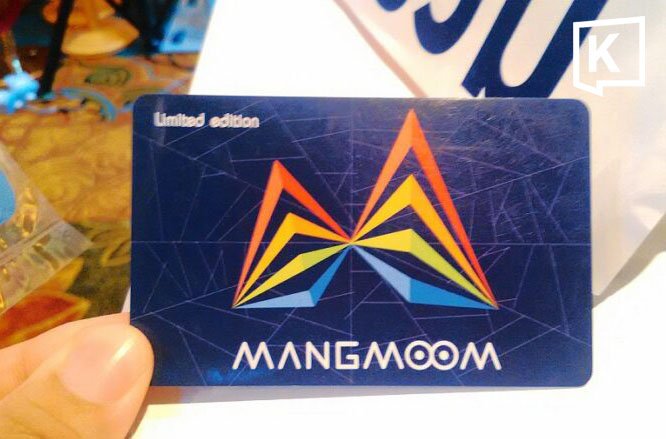
The idea of a single ticket for Bangkok's trains has existed for years. The Mangmoom card, known as the spider card, was designed to connect different public transport systems into one payment network. It was introduced in limited form but never became the seamless all-network solution many commuters expected.
More recently, the Mass Rapid Transit Authority of Thailand and Krungthai Bank launched the Mangmoom EMV card for MRTA-supervised lines. These include the MRT Blue, Purple, Yellow, and Pink lines. The new common fare system builds on this foundation while expanding coverage to all urban rail operators.
Behind-the-Scenes Challenges for Rail Operators
The next step requires establishing a clearing house system to manage fare collection and revenue distribution among rail operators. Bangkok's rail system includes lines run under different contracts and business models, with some state-supervised and others involving private operators or concession arrangements.
A common fare may appear simple for passengers, yet it demands complex negotiations behind the scenes. Government agencies have about six months to work through these practical details before the early next year launch. The Mass Rapid Transit Authority of Thailand will play a central role in coordinating these efforts.
Why This Matters for Daily Life Across Thailand
Bangkok residents who travel between lines operated by BTS, MRT, and other services will experience smoother journeys without repeated entry charges. The 17 to 45 baht range provides predictable costs that support regular commutes to offices, schools, and local temples in the capital. Lower transport expenses free up household budgets for other needs in Thai communities.
The policy affects transportation across the city by encouraging greater use of connected rail networks. Thai workers and students gain reliable options that reduce reliance on more expensive alternatives during peak hours. This shift supports the broader goal of easing financial pressures on families in Bangkok and surrounding areas.
Economic Implications for Thai Households and the Region
Reduced household expenses from the common fare system contribute to cost-of-living relief measures already under discussion in Thai politics. Families in Bangkok and nearby provinces benefit when transport costs stay within the stated 17 to 45 baht range across networks. The change aligns with efforts by the Thai Ministry of Transport to improve public services.
For Southeast Asian readers, Bangkok's progress offers a model of integrated urban rail that other cities may observe. The single-ticket approach strengthens daily mobility while supporting economic activity tied to efficient movement of people. Officials continue to refine details to ensure the system serves commuters effectively from the launch date onward.
By Ann Srisawat, Staff WriterThis article was produced with AI-assisted research and editorial support. Reporting is based on sources cited in the article.
What's Your Reaction?
 Like
0
Like
0
 Dislike
0
Dislike
0
 Love
0
Love
0
 Funny
0
Funny
0
 Wow
0
Wow
0
 Sad
0
Sad
0
 Angry
0
Angry
0

Southeast Asia Correspondent at Global1.News. Based in Bangkok, covering Thai and Southeast Asian politics, economy, technology, and culture. Deep regional perspective on one of the world's most dynamic regions.















Comments (0)