
British Airways Extends Tel Aviv Flight Suspensions Amid Regional Tensions
British Airways Extends Tel Aviv Flight Suspensions Amid Regional Tensions British Airways announced earlier this week that it is extending the suspension of flights to most Middle East destinations through the end of the summer flight schedule, at least until October 25, 2026. Affected destinations include Tel Aviv, alongside Dubai, Bahrain, and Amman. According to the airline
British Airways Extends Tel Aviv Flight Suspensions Amid Regional Tensions
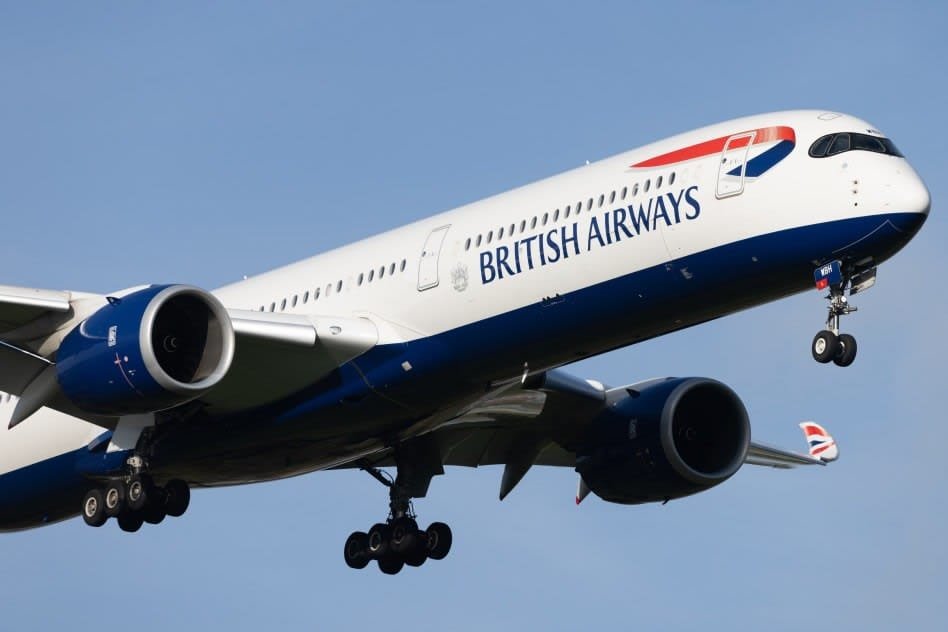
British Airways announced earlier this week that it is extending the suspension of flights to most Middle East destinations through the end of the summer flight schedule, at least until October 25, 2026. Affected destinations include Tel Aviv, alongside Dubai, Bahrain, and Amman. According to the airline, regional security uncertainty and difficulty reaching a stable arrangement with Iran led to the decision to continue freezing routes, even during the busiest travel season of the year. This move directly affects travelers from the United Kingdom planning trips to Israel, where direct connections have long supported business links between London and Tel Aviv as well as family visits and tourism to Jerusalem and other sites.
Airline Decisions Reflect Broader Middle East Security Concerns
The extension comes as airlines weigh ongoing challenges in the region. British Airways plans to resume flights to Gulf destinations Doha, Qatar, and Riyadh, Saudi Arabia, in August. Qatar Airways holds a 25% stake in British Airways' parent company, International Airlines Group, which also owns Iberia, Aer Lingus, and Vueling. Such ownership ties illustrate how commercial relationships in the Gulf can influence route decisions differently from those involving Israel. For Israelis, the absence of British Airways flights means longer journeys through alternative hubs, adding time and cost to trips that once connected Tel Aviv directly with major European cities.
Delta, American, and United Adjust Their Israel Schedules
British Airways is not the only airline pulling back from the Middle East. Delta Air Lines will not resume the New York–Tel Aviv route before September 6. The Atlanta route is suspended until December 18, and the launch of the new Boston–Tel Aviv route has been postponed without a new date. American Airlines extended the cancellation of flights to Tel Aviv and Doha until January 2027. When the airline returns to Israel, it will have been absent from the local market for more than three years. United Airlines currently plans to resume flights to Tel Aviv and Dubai on September 7, though the date may change. These staggered timelines leave Israeli passengers and businesses reliant on fewer direct options from the United States, affecting everything from academic exchanges in Jerusalem to technology sector meetings in Tel Aviv.
Etihad Airways Stands Out With Increased Israel Operations
Alongside the wave of cancellations, there is one exception. Etihad Airways, based in Abu Dhabi and currently operating two daily flights to Israel, plans to significantly increase its operations. This decision stands in contrast to the pullbacks by European and American carriers and highlights how individual airline strategies can diverge even when regional conditions remain unsettled. Passengers flying via Abu Dhabi may find more consistent service to Tel Aviv, providing a partial offset for those traveling between Israel and points in Asia or Australia that connect through Gulf hubs.
Effects on Daily Life and Diplomatic Context in Israel
The cumulative impact of these route changes touches daily realities for residents in Tel Aviv, Jerusalem, and surrounding areas. Families planning summer travel now face rebookings and higher fares, while companies in Israel's export sectors adjust logistics for personnel movement. The decisions also occur against the backdrop of Israel's relations with neighboring countries and the Palestinian Authority, where security considerations continue to shape aviation policy across multiple governments. Foreign Ministry statements have emphasized the importance of maintaining open skies where possible, yet airlines cite independent risk assessments tied to Iran-related developments.
Outlook for Israeli Aviation and Regional Connectivity
With several major carriers maintaining extended pauses, attention turns to how other operators might fill gaps or whether further adjustments will occur before the stated resumption windows. The contrast between suspended routes to Tel Aviv and continued or expanded service to certain Gulf cities underscores the varied commercial calculations at play. For now, travelers between Israel and the affected markets must monitor updates from the airlines involved, including British Airways, Delta Air Lines, American Airlines, United Airlines, and Etihad Airways, as conditions evolve.
By Hannah Berg, Staff WriterThis article was produced with AI-assisted research and editorial support. Reporting is based on sources cited in the article.
What's Your Reaction?
 Like
0
Like
0
 Dislike
0
Dislike
0
 Love
0
Love
0
 Funny
0
Funny
0
 Wow
0
Wow
0
 Sad
0
Sad
0
 Angry
0
Angry
0

Israel Correspondent at Global1.News. Based in Tel Aviv, covering Israeli politics, security, technology, and society. Provides balanced, deeply-sourced reporting on one of the most closely-watched regions in the world.















Comments (0)