
America's Spending Slowdown — What March's Retail Numbers Tell Us About the Economy
America's Spending Slowdown — What March's Retail Numbers Tell Us About the Economy The Sharp Miss in March Retail Sales Data The Commerce Department reported that retail sales fell 1 percent in March from the prior month, a steeper drop than the 0.4 percent decline economists at Refinitiv had projected. This miss underscores how sensitive consumer spending remains to shifts in
The Sharp Miss in March Retail Sales Data
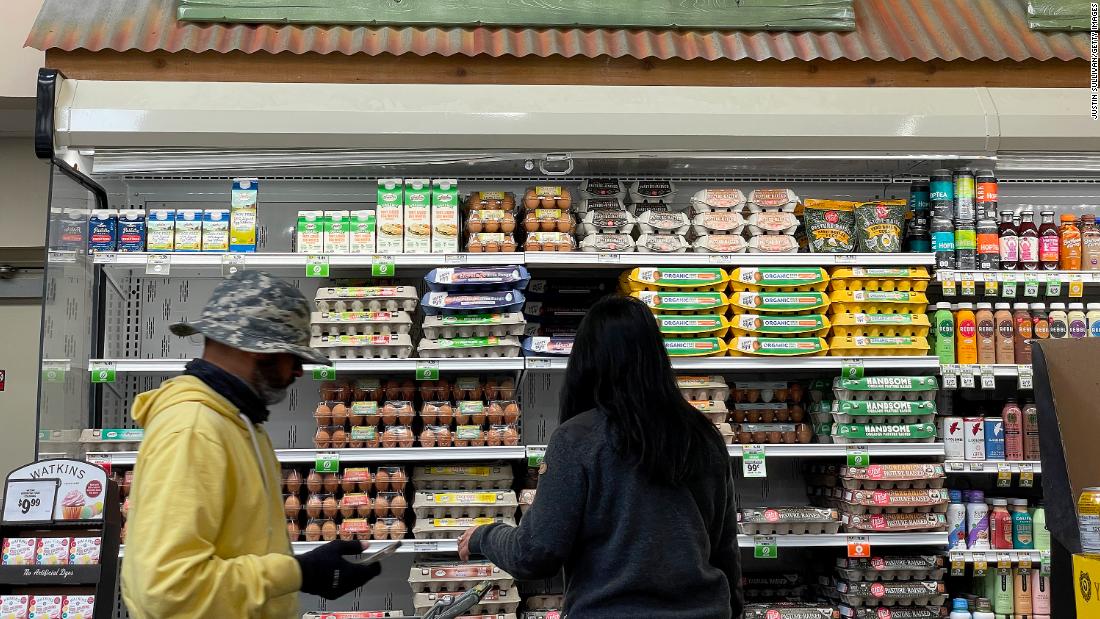
The Commerce Department reported that retail sales fell 1 percent in March from the prior month, a steeper drop than the 0.4 percent decline economists at Refinitiv had projected. This miss underscores how sensitive consumer spending remains to shifts in disposable income, particularly when tax refunds arrive later or in smaller amounts than households anticipated. General merchandise store spending dropped 3 percent while gas station spending fell 5.5 percent, painting a picture of belt-tightening across both discretionary and essential categories. Even after stripping out the volatile gas component, retail spending still declined 0.6 percent from February levels, confirming the weakness was broad-based rather than driven solely by energy prices.
Year-over-year, retail spending managed a 2.9 percent gain, but that figure masks the sequential deterioration that matters most for economic momentum. March has historically served as a key month for tax refund distributions, and the data reveal how quickly spending can contract when those inflows moderate. The slowdown arrives at a moment when Fed economists continue to forecast a recession later in 2023, raising questions about whether this March reading represents a temporary pause or the start of a more sustained pullback in household outlays.
Smaller Tax Refunds Hit Household Budgets Hard
Bank of America analysts noted that the IRS issued $84 billion in tax refunds during March 2023, fully $25 billion less than the same month in 2022. Aditya Bhave, senior U.S. economist at BofA Global Research, highlighted the importance of this timing: “March is a really important month for refunds. Some folks might have been expecting something similar to last year.” The shortfall directly correlates with reduced spending at general merchandise stores and other retail outlets that typically see a seasonal lift from refund checks. Lower refund totals left many households with less cash to deploy, amplifying the 1 percent monthly decline in overall retail sales.
The reduction in refunds compounds other pressures on disposable income. Enhanced SNAP benefits expired in February 2023, removing another layer of support that had previously bolstered spending among lower-income households. When these two factors converge—smaller refunds and the end of pandemic-era food assistance—the result is a measurable contraction in month-to-month retail activity. Higher-income households may absorb such changes more easily, but middle- and lower-income groups feel the pinch immediately at the checkout counter.
Wage Growth Slows Even as Job Gains Continue
The Bureau of Labor Statistics reported that average hourly earnings grew 4.2 percent year-over-year in March, the smallest increase since June 2021. This deceleration in wage growth signals that the rapid pay gains of the post-pandemic period are fading, even while the labor market added 236,000 jobs during the month. Slower wage increases limit the ability of households to offset higher prices or smaller refund checks, contributing directly to the observed retail sales weakness. Workers across income brackets are seeing their real purchasing power constrained at a time when inflation expectations have begun to climb again.
Despite the cooling in wage growth, the continued addition of jobs offers a partial buffer. Michelle Meyer of the Mastercard Economics Institute has pointed out that a resilient labor market could still support consumer spending in the near term. Yet the combination of moderating wage gains and reduced tax refunds suggests that employment alone may not be enough to sustain the spending pace seen in prior quarters. Different regions will experience this divergence unevenly, with service-heavy economies potentially faring better than manufacturing or retail-dependent areas.
Consumer Sentiment Holds Steady but Inflation Fears Rise
The University of Michigan consumer sentiment index held steady in April, providing a sliver of stability amid the retail sales decline. However, inflation expectations jumped from 3.6 percent to 4.6 percent, revealing that households are bracing for renewed price pressures. Joanne Hsu of the University of Michigan captured the mood succinctly: “Consumers are expecting a downturn, they’re not feeling as dismal as they were last summer, but they’re waiting for the other shoe to drop.” This cautious outlook aligns with the observed moderation in Bank of America credit and debit card spending per household, which reached its slowest pace in more than two years.
The gap between steady sentiment and rising inflation expectations matters for future spending patterns. Households appear prepared to cut back further if prices accelerate again, particularly in categories already showing weakness such as general merchandise. The steady sentiment reading may reflect relief that the labor market remains intact, yet the upward shift in inflation forecasts indicates underlying anxiety that could translate into additional retail pullbacks in coming months.
Atlanta Households Navigate National Trends Locally
In Atlanta, where logistics, hospitality, and professional services dominate employment, the March retail numbers reflect the same national pressures felt elsewhere. Smaller tax refunds and the expiration of enhanced SNAP benefits have reduced discretionary dollars available for shopping trips and dining out, mirroring the 3 percent drop in general merchandise spending recorded nationwide. Local households are also contending with the slowest pace of credit and debit card spending growth in over two years, forcing many to prioritize essentials over non-essential purchases.
The city’s diverse income distribution means impacts vary sharply by neighborhood. Areas with higher concentrations of lower-wage workers feel the combined effect of slower wage growth and reduced government transfers most acutely. Meanwhile, higher-income residents in suburban Atlanta may continue spending at a steadier clip, supported by accumulated savings and stable professional employment. These local divergences illustrate how national retail weakness can manifest differently depending on regional industry mix and household income profiles.
Implications for Different Income Groups and Regions
Lower-income households face the steepest challenges from the convergence of smaller refunds, expired SNAP enhancements, and decelerating wage growth. These groups typically spend a larger share of any incremental income immediately, so the $25 billion shortfall in March refunds translated into immediate cuts at stores and gas stations. Middle-income families are also adjusting, as evidenced by the broad-based nature of the 0.6 percent decline in retail spending excluding gas. Higher-income households, by contrast, retain more flexibility and may sustain spending longer, though even they show signs of moderation in card data.
Regionally, Sun Belt metros like Atlanta may experience a more pronounced slowdown if tourism and logistics sectors cool alongside national trends. In contrast, areas with stronger government or healthcare employment could see relative resilience. The Fed’s recession forecast for later in 2023 adds another layer of uncertainty, as any downturn would likely widen these disparities further across income and geographic lines.
Practical Steps Readers Can Take Now
Households should review monthly budgets with an eye toward the reduced refund environment and slower wage growth. Tracking spending categories that showed the largest declines—general merchandise and fuel—can reveal opportunities to trim without sacrificing essentials. Building or replenishing emergency savings becomes especially important given the Fed’s recession outlook and rising inflation expectations. Readers in Atlanta and similar metros may also benefit from monitoring local job postings in resilient sectors while preparing for potential softness in retail and hospitality roles.
Staying informed about upcoming economic releases, including monthly retail and employment data, helps households anticipate further shifts. Consider consulting financial advisors or community resources for personalized guidance on navigating higher inflation expectations alongside moderating income growth. The data from March serve as an early signal rather than a final verdict, and proactive adjustments can help families weather the slowdown ahead. By Jessica Ali, Staff Writer
This article was produced with AI-assisted research and editorial support. Reporting is based on sources cited in the article.
What's Your Reaction?
 Like
0
Like
0
 Dislike
0
Dislike
0
 Love
0
Love
0
 Funny
0
Funny
0
 Wow
0
Wow
0
 Sad
0
Sad
0
 Angry
0
Angry
0

Editor-in-Chief at Global1.News. Atlanta-based journalist who cuts through the BS and tells it like it is. Lead anchor, host, and the voice you hear when the spin stops and the truth starts.















Comments (0)