
America's 250th Birthday Went Dark — 842,000 Homes Lost Power as a Heat Dome Cooked the Grid
Folks, America turned 250 years old on July 4, 2026, and instead of fireworks lighting up the sky, the lights went dark across the Midwest and Northeast. Picture this: a nation built on independence waking up to a heat dome that refused to budge, El Niño cranking the thermostat, and more than 842,000 homes suddenly powerless while another tracking source pegged nearly 779,000 h
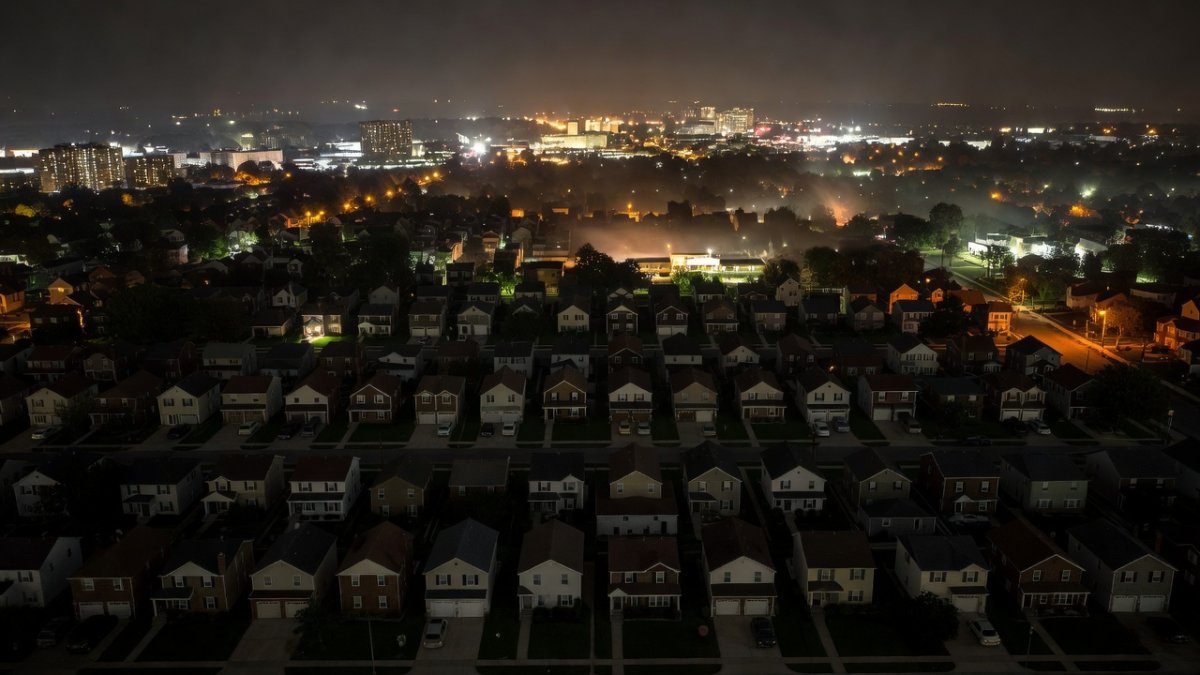
Folks, America turned 250 years old on July 4, 2026, and instead of fireworks lighting up the sky, the lights went dark across the Midwest and Northeast. Picture this: a nation built on independence waking up to a heat dome that refused to budge, El Niño cranking the thermostat, and more than 842,000 homes suddenly powerless while another tracking source pegged nearly 779,000 households still sweltering days later. The New York Times reported over a million lost power at the peak. If you're as fired up as I am right now, you see the cruel irony — our 250th birthday bash canceled in the nation's capital, Amtrak trains halted because tracks literally expanded in the 106-degree furnace recorded in Atlantic City, New Jersey. This wasn't some random glitch. This was a heat wave that started in late June, slammed 160 million people in 30-plus states under extreme alerts, and exposed every weak link in our grid while data centers, crypto mines, and EVs piled on demand nobody planned for. Heat already kills more Americans than hurricanes, tornadoes, and floods combined, and here we were watching it happen in real time. No spin, no sugarcoating: the system cracked under pressure it should have seen coming after similar scares in 2024 and 2025. The contrast between celebration and crisis hit like a gut punch, and it left families in Illinois, Indiana, Ohio, Michigan, New York, New Jersey, Pennsylvania, Connecticut, Massachusetts, and D.C. fighting for every breath of cool air.
The Scale — 160 Million People, 30-Plus States, One Giant Pressure Cooker
Let's break down the geography of failure, because the numbers don't lie. On July 4 alone, more than 842,000 homes across the Midwest and Northeast went dark, with PowerOutage.us and other trackers showing nearly 779,000 households still without power days later while the New York Times confirmed over a million affected at the height of the crisis. Thirty-plus states had 160 million people under extreme heat alerts, turning the heartland and the Eastern Seaboard into one giant pressure cooker. Illinois, Indiana, Ohio, Michigan, New York, New Jersey, Pennsylvania, Connecticut, Massachusetts, and Washington D.C. bore the brunt, with rolling blackouts hitting cities already pushing record demand. This wasn't a localized hiccup — it was a regional collapse that left hospitals running on backup generators and cooling centers overwhelmed from Chicago to Boston. The July Fourth demand spike threatened to shatter the all-time PJM peak of 165,563 MW set back in 2006, with forecasts hitting 166,304 MW before AI data centers, crypto mining operations, and fleets of electric vehicles even existed in those numbers. The scale reveals how interconnected and fragile everything has become. One heat dome, one holiday weekend, and suddenly millions were checking on neighbors by flashlight while the rest of the country watched the chaos unfold on screens that might have gone dark next.
Record Heat — 106 Degrees in Atlantic City and a Fortress of Heat
The mercury didn't just climb — it exploded. Atlantic City, New Jersey, hit a blistering 106°F on July 4, shattering records and turning boardwalks into heat traps. Cities from Chicago to Philadelphia logged their hottest July Fourths on record as the persistent heat dome parked over the continent, fueled by El Niño conditions that locked in the misery from late June straight through July 7. This wasn't a one-day spike; it was a multi-week siege that made the less severe events of 2024 and 2025 look like warm-up acts. The mechanism is brutally simple: high pressure trapped hot air, prevented cloud formation, and let the sun bake the ground day after day. By the time the holiday arrived, pavement was radiating heat back into the air, pushing urban heat islands past the breaking point. Folks in affected states didn't just feel uncomfortable — they faced life-threatening conditions where stepping outside felt like walking into an oven. The heat wave's duration meant no overnight relief, no chance for the grid or the people to recover, and it set the stage for everything that followed. When temperatures refuse to drop below 80 at night, the human body and the power infrastructure both start to fail in predictable, deadly ways.
Grid Emergency — DOE Alert, PJM's EEA2, and the Demand That Broke the Camels Back
Energy Secretary Chris Wright didn't mince words when he issued an Energy Emergency Alert under the Federal Power Act. PJM Interconnection, the grid operator serving 65 million people across 13 states and D.C., declared an EEA2 as demand forecasts smashed toward 166,304 MW — just above the 20-year-old record of 165,563 MW. The warning was clear: July Fourth could break the old benchmark set long before AI data centers, crypto mining, and electric vehicles added massive new loads the system was never designed to carry. This is the part that gets me fired up. We knew demand was rising. We saw the warning signs in 2024 and 2025. Yet here we were, watching the largest grid operator in the country scramble while backup generators kicked on at hospitals and cooling centers ran out of space. The Federal Power Act alert gave federal muscle to prioritize power restoration, but it also exposed how underbuilt and overtaxed the network has become. PJM's EEA2 meant they were pulling every lever — from demand response to emergency imports — just to keep the lights on for millions. The growth in electricity use from new technologies outpaced upgrades, and the July Fourth holiday turned that gap into a full-blown crisis. No amount of patriotic rhetoric changes the fact that the grid was running on fumes.
Human Toll — 25 Dead, a Canceled Parade, and a Nation Scrambling
At least 25 deaths were attributed to the heat wave as of July 5, and that number only tells part of the story. Washington D.C.'s Independence Day parade was canceled because the capital literally couldn't handle the load on its 250th birthday. Amtrak canceled trains after tracks expanded dangerously in the heat, stranding travelers who had nowhere cool to wait. Hospitals across the region ran on backup generators while emergency rooms saw heat stroke cases surge and cooling centers overflowed with families who had lost power at home. Real people were checking on elderly neighbors, driving through blackout zones with cases of water, and praying their medical devices stayed charged. The human toll hits hardest because heat doesn't announce itself with dramatic footage like tornadoes — it just quietly claims lives in apartments without AC and in cars stuck in traffic. By July 7 the slow recovery was underway, but the damage was done. People lost food, lost sleep, lost loved ones. This is the reality when infrastructure fails during the deadliest weather event in America. The stories coming out of Illinois, New Jersey, and Pennsylvania aren't statistics — they're reminders that every megawatt shortfall carries a human price tag we can't keep ignoring.
The Bigger Picture — America's Deadliest Weather Gets the Least Attention
Heat is America's deadliest form of weather, killing more people than hurricanes, tornadoes, and floods combined, yet we still treat grid resilience like an afterthought. The 2026 crisis didn't come out of nowhere. Aging infrastructure, years of underinvestment, and the added strain from data centers and crypto mining created a perfect storm on top of a changing climate. The 2024 and 2025 summers gave us dress rehearsals, but instead of major upgrades we got more demand and the same old wires. This isn't a surprise — it's the predictable result of prioritizing short-term profits over long-term reliability. PJM's own warnings about breaking a record set before modern electricity loads existed should have triggered action years ago. Instead, we watched the system teeter while 160 million people baked. The bigger picture shows a nation that celebrates its birthday with fireworks one year and blackouts the next, all because we refused to modernize the grid that powers everything. Climate change is accelerating the heat, but policy and investment choices turned a dangerous heat wave into a preventable disaster. We can see the pattern now. The question is whether we'll finally act on it.
What Now — Recovery Inches Forward, Vulnerabilities Stay Exposed
By July 7 the slow recovery was inching forward, but the vulnerabilities remain glaring. PJM and utilities are still assessing damage while communities deal with spoiled food, medical disruptions, and the mental toll of days without power in extreme heat. Grid operators need to accelerate upgrades, diversify supply, and build in more flexibility for the new demand realities of AI, crypto, and EVs. Federal and state leaders must treat grid resilience as critical infrastructure, not a line item to debate. The Energy Emergency Alert showed what top-down coordination can do in a crisis, but we need that same urgency before the next heat dome arrives. Without serious investment in transmission, storage, and demand management, we're just waiting for the next record to fall — and the next round of outages to hit. Recovery isn't complete until the system is stronger than it was on July 4.
Here's What You Can Do
If you're as fired up as I am, here's what you can do right now. Check on your neighbors, especially elderly residents and those with medical needs. Build or refresh your emergency kit with water, batteries, and backup power for critical devices. Push your local and state representatives for grid modernization funding and faster permitting for transmission projects. Support policies that expand clean, reliable energy sources and reward utilities for resilience, not just reliability on paper. Demand transparency from grid operators about how they're planning for the next decade of demand growth. This crisis doesn't have to repeat itself. We have the knowledge and the tools — what we need is the collective will to use them. Stay loud, stay prepared, and let's make sure the next birthday celebration doesn't happen in the dark.
By Jessica Ali, Lead Anchor — Global 1 News
This article was produced with AI-assisted research and editorial support. Reporting is based on sources cited in the article.
What's Your Reaction?
 Like
0
Like
0
 Dislike
0
Dislike
0
 Love
0
Love
0
 Funny
0
Funny
0
 Wow
0
Wow
0
 Sad
0
Sad
0
 Angry
0
Angry
0

Editor-in-Chief at Global1.News. Atlanta-based journalist who cuts through the BS and tells it like it is. Lead anchor, host, and the voice you hear when the spin stops and the truth starts.












Comments (0)