
Alberta Floods: Record Rain Activates Springbank Reservoir
Record Rainfall Triggers Widespread Flood Warnings Across Alberta Heavy rainfall amounting to 150 millimetres within a 24-hour period has prompted widespread flood warnings across much of Alberta, with officials urging residents in low-lying areas to remain vigilant. The intense precipitation, concentrated in the southern and central regions of the province, has overwhelmed dra
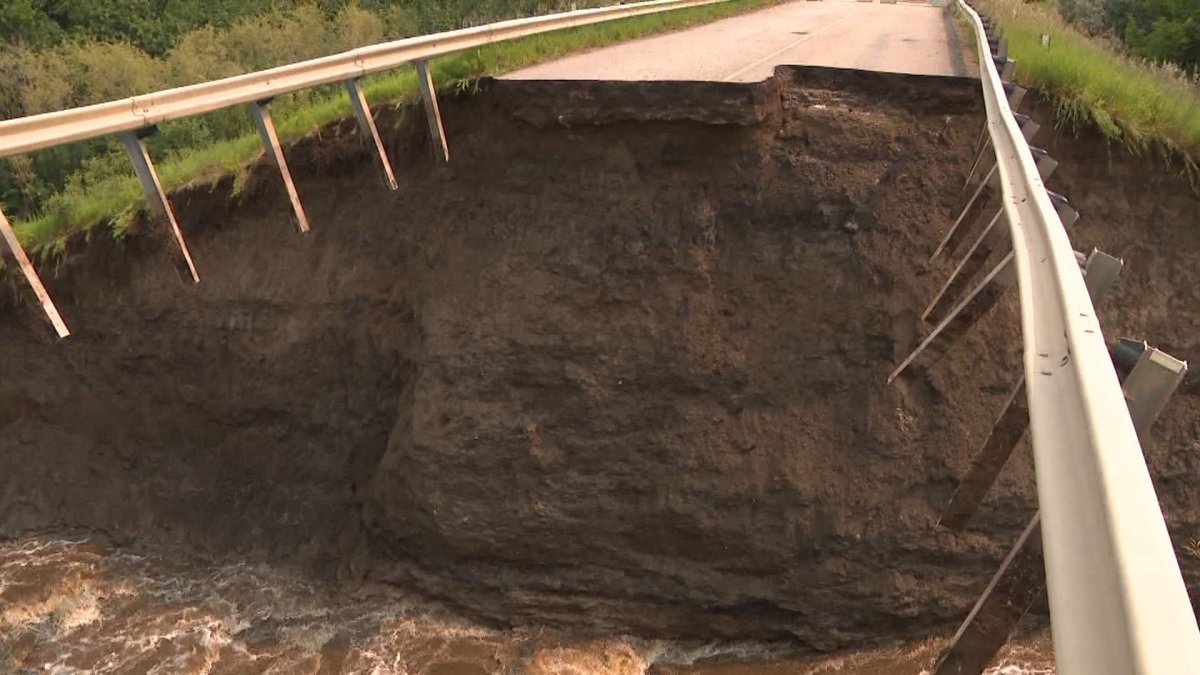
Record Rainfall Triggers Widespread Flood Warnings Across Alberta
Heavy rainfall amounting to 150 millimetres within a 24-hour period has prompted widespread flood warnings across much of Alberta, with officials urging residents in low-lying areas to remain vigilant. The intense precipitation, concentrated in the southern and central regions of the province, has overwhelmed drainage systems and raised water levels in several key waterways. Meteorologists describe the event as one of the most significant single-day accumulations recorded in recent years, leading to rapid runoff into rivers and streams. Communities from the foothills eastward are now bracing for potential overland flooding as the water moves downstream.
Frank Frigo, a senior hydrologist with the provincial water management authority, emphasised the urgency of the situation. “We have not seen rainfall totals of this magnitude in such a compressed timeframe since the events that reshaped our emergency planning protocols,” Frigo stated during a briefing in Calgary. He noted that soil saturation from earlier spring moisture has reduced the ground’s capacity to absorb additional water, accelerating the flow into major river systems. Frigo added that continuous monitoring will be essential over the coming days to adjust warnings as conditions evolve.
The Bow and Elbow rivers have both been placed under flood warnings, with levels expected to rise steadily through the weekend. Authorities have activated monitoring stations along both waterways to track changes in real time and provide updates to municipal governments. Residents near the riverbanks have been advised to move valuables to higher ground and avoid unnecessary travel. Local emergency operations centres are coordinating with provincial agencies to ensure sandbags and other mitigation supplies remain available where needed most.
Transportation disruptions are already appearing on several rural highways, where culverts have begun to surcharge. Alberta Transportation has issued advisories for reduced speeds and potential detours around areas experiencing surface water accumulation. While no widespread evacuations have been ordered yet, officials continue to stress personal preparedness and the importance of heeding all public alerts issued through the provincial notification system.
Springbank Reservoir Activated for First Time Since 2013 Catastrophe
The Springbank Reservoir, an $800 million flood mitigation structure west of Calgary, has been activated for the first time since its completion following the devastating 2013 floods. Engineers opened the diversion gates early this morning after upstream gauges recorded sustained high flows on the Elbow River. The activation marks a critical test of the infrastructure designed to protect downstream communities from repeat disasters of the scale experienced more than a decade ago. Provincial officials confirmed that water is now being diverted into the off-stream storage basin as planned.
Construction of the reservoir was undertaken as a direct response to the 2013 catastrophe, which caused billions of dollars in damage across southern Alberta and claimed several lives. The project involved extensive excavation and the building of berms capable of holding back significant volumes during peak events. Until now, the facility had remained in standby mode while final commissioning and environmental monitoring were completed. Its first operational use demonstrates the province’s long-term commitment to structural defences against extreme weather.
The mitigation strategy centres on temporarily storing excess water that would otherwise overwhelm Calgary’s river corridors. By diverting flows into the reservoir, authorities aim to reduce peak levels on the Elbow River by up to 60 percent during major events. This controlled release approach allows gradual discharge once downstream conditions permit, minimising erosion and infrastructure stress. Environmental assessments conducted prior to activation confirmed that wildlife corridors and wetland areas within the reservoir footprint would experience only temporary inundation.
Local Indigenous communities and agricultural operators downstream have been briefed on the activation timeline and expected water management procedures. Officials stressed that the reservoir’s operation will be continuously adjusted based on real-time rainfall forecasts and river gauge readings. The successful engagement of the facility is being viewed as a milestone in Alberta’s evolving approach to climate resilience and infrastructure planning.
Calgary Fire Department Warns of Treacherous River Conditions
The Calgary Fire Department has issued urgent warnings about dangerous conditions along the city’s rivers following the recent heavy rainfall. Deputy Chief Alex Kwan highlighted that water temperatures hovering around 12 degrees Celsius pose an immediate risk of hypothermia to anyone who enters the water. Swift currents combined with floating debris such as logs and household items swept from upstream properties create additional hazards that can quickly overwhelm even experienced swimmers or boaters.
Kwan stressed that riverbanks remain unstable in many locations, with saturated soil increasing the likelihood of sudden collapses. Rescue teams have already responded to several incidents involving individuals who ventured too close to the water’s edge. The department is advising the public to maintain a safe distance from all waterways and to keep children and pets under close supervision near parks and pathways that border the rivers.
Residents are encouraged to report any sightings of people or animals in distress to emergency services immediately rather than attempting self-rescue. The fire department continues to coordinate with municipal parks staff to close access points where conditions are deemed most hazardous. Updated safety information is being shared through the city’s website and social media channels as river levels are monitored throughout the weekend.
Bridge Collapse in Strathcona County Leaves Rural Residents Fearful
A bridge on Akenside Road in Strathcona County has washed out after days of sustained high water, severing a vital link for several rural households. The collapse occurred overnight when floodwaters undermined the structure’s footings, leaving a gaping hole that now prevents vehicle access to properties on the far side of the creek. County crews have erected temporary barriers and are assessing options for emergency crossings while permanent repairs are planned.
Long-time resident Margaret Robinson described the sudden isolation as deeply unsettling. “We’ve lived here for thirty years and never seen the water rise this fast,” she said. “My neighbour’s beaver dam upstream held for a while, but once it gave way the force was incredible.” Robinson noted that families are now relying on longer alternate routes or arranging lifts from relatives to reach schools, medical appointments, and grocery stores.
Another affected landowner, Thomas Nichols, expressed concern about livestock movement and feed deliveries. “We have cattle that need daily checking, and the detour adds almost an hour each way,” Nichols explained. He praised county workers for their rapid response in posting warning signs but stressed that a temporary bridge solution is urgently required before winter weather arrives. Both residents emphasised the importance of improved drainage planning in future infrastructure projects.
Strathcona County officials have confirmed that geotechnical assessments are underway to determine whether the original bridge location remains suitable or if a new alignment will be necessary. In the interim, emergency services have established protocols for reaching isolated properties via all-terrain vehicles if medical situations arise. Residents have been asked to register with the county’s emergency notification list to receive timely updates on repair timelines.
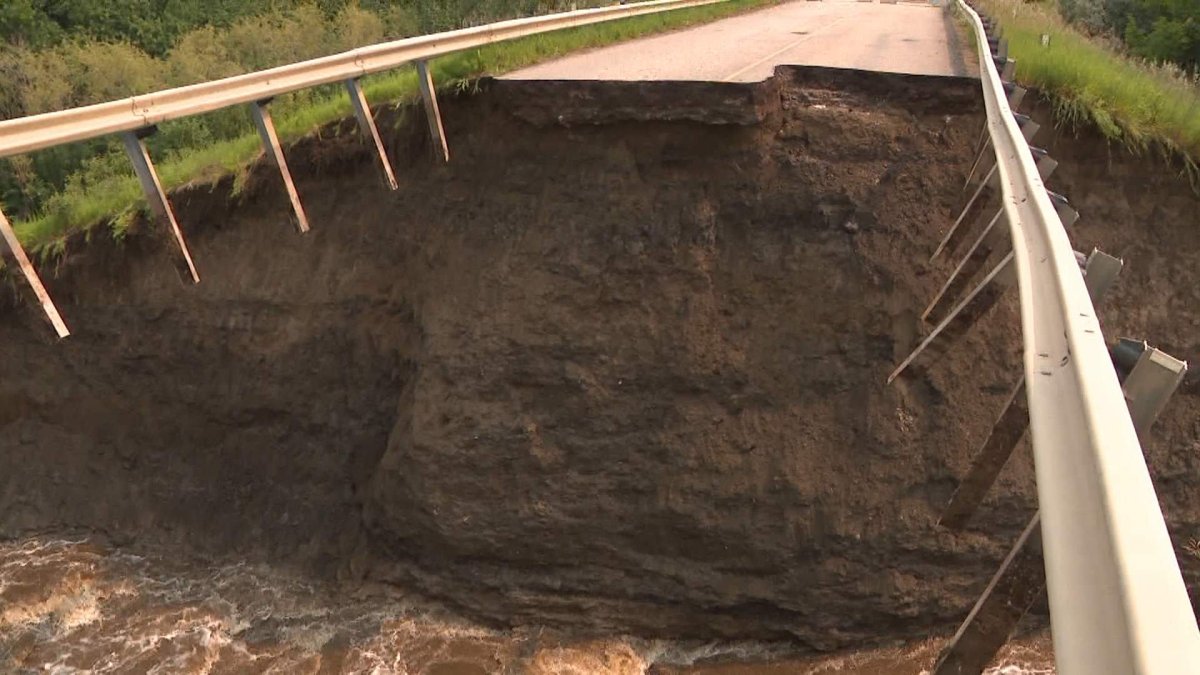
Emergency Alerts Active Across Multiple Counties as Cleanup Begins
Emergency alerts remain active across Beaver County and Lac Ste. Anne County as residents begin initial cleanup efforts following the weekend’s heavy rainfall. Road closures are in place on several secondary highways where culverts have been damaged or shoulders have eroded. Alberta 511 continues to provide real-time updates on detours and weight restrictions for commercial traffic.
Municipal crews have started clearing debris from ditches and assessing damage to gravel roads that serve farming operations. In Beaver County, several sections of Range Road 120 have been closed indefinitely pending engineering inspections. Lac Ste. Anne County has similarly reported washouts near the hamlet of Darwell, prompting the deployment of heavy equipment to restore basic access.
Damage assessment teams from the provincial government are working alongside local officials to document losses eligible for disaster recovery funding. Early estimates suggest that road and bridge repairs will constitute the largest single expense category. Residents have been encouraged to photograph property damage and retain receipts for any emergency mitigation work undertaken before official assessments are completed.
Coordination meetings between county emergency management staff and Alberta Emergency Management Agency representatives are scheduled daily. These sessions focus on prioritising routes for restoration and ensuring that vulnerable populations, including seniors living alone, receive necessary assistance. The province has reminded all affected municipalities to submit preliminary reports within the next 72 hours to expedite financial support.
What Happens Next: Forecast, Recovery and Lessons from 2013
Environment Canada forecasts indicate that additional showers are possible over the next several days, though totals are expected to remain well below the levels recorded earlier this week. Forecasters caution that any further precipitation on already saturated ground could prolong elevated river levels and delay the start of major cleanup operations. Residents are advised to continue monitoring official channels for updates.
Recovery coordination is now shifting toward debris removal and infrastructure inspections. Municipal public works departments are establishing staging areas for collected materials while ensuring that hazardous waste is handled according to environmental regulations. Provincial support teams have been deployed to assist smaller communities that lack the equipment needed for large-scale restoration.
The Springbank Reservoir’s successful activation is expected to inform future operational guidelines and maintenance schedules. Officials note that data gathered during this event will help refine diversion triggers and release protocols, strengthening the overall flood defence network. Long-term planning discussions are already underway regarding additional upstream storage options and improved forecasting integration.
Lessons from the 2013 flood continue to shape Alberta’s approach to emergency management, with emphasis placed on inter-municipal communication and public education campaigns. Community resilience has improved through updated alert systems and greater awareness of personal preparedness measures. While challenges remain, the coordinated response observed this week demonstrates measurable progress in protecting lives and property across the province.
Tags: Alberta floods, Calgary, Springbank reservoir, Bow River, Elbow River, Strathcona County, emergency management, Environment Canada, 2013 flood, infrastructure
By Alex Thompson, Staff Writer
This article was produced with AI-assisted research and editorial support. Reporting is based on sources cited in the article.
What's Your Reaction?
 Like
0
Like
0
 Dislike
0
Dislike
0
 Love
0
Love
0
 Funny
0
Funny
0
 Wow
0
Wow
0
 Sad
0
Sad
0
 Angry
0
Angry
0

Canada Correspondent at Global1.News. Based in Toronto, covering Canadian politics, energy, trade, and US-Canada relations. Provides the Canadian perspective on North American and global affairs.















Comments (0)