
AI and Avatars Transform Japan's Traditional Shukatsu Hiring Process
AI Avatars Transform Japan's Shukatsu Hiring Process Japanese firms adopt AI interviews and avatar blind recruitment as 41.8% of job-seekers use generative AI, reshaping shukatsu graduate hiring in 2026. **Keywords:** shukatsu, AI interviews, avatar recruitment, generative AI job hunting, Suzuyo System Technology, Beyond Osaka, Society 5.0, Japan labor market, simultaneous recr
Japan's long-standing simultaneous recruitment of new graduates, known as shukatsu, is encountering new evaluation methods driven by artificial intelligence and digital avatars. Companies in Shizuoka and Osaka have introduced these tools to address challenges in assessing applicants whose written materials may involve generative AI assistance. The changes reflect efforts to focus on genuine personal qualities during the structured hiring cycle that begins with company publicity in spring.
NHK WORLD-JAPAN reporting from April 2026 highlights specific implementations at two firms. One has replaced company-specific application forms with AI-led interviews lasting 30 minutes. Another uses avatars to conceal names and schools, allowing assessment based solely on conversation content. These steps occur against a backdrop of rapid AI adoption in job-seeking activities.
The developments connect directly to Japan's Society 5.0 initiative, which promotes integration of digital technologies across economic and social systems. Corporate Japan faces labor shortages that intensify competition for talent, particularly in information technology fields. Firms are therefore experimenting with methods that improve efficiency while aiming to identify candidates more accurately.
Japan's Shukatsu System Faces a Generative AI Challenge
The simultaneous recruitment of new graduates has defined Japan's labor market for generations. Students from universities and vocational schools enter hiring processes at the same time, with companies beginning recruitment publicity each spring. This coordinated approach has allowed large-scale matching between employers and entry-level talent across corporate Japan.
Generative AI tools now complicate traditional evaluation of written submissions. An Aidem survey conducted in February 2026 found that 41.8 percent of job-seekers have used such tools in their activities. This widespread availability has prompted companies to question the reliability of self-promotion essays and motivation statements that may be AI-generated rather than reflective of individual thought.
HR departments report difficulty distinguishing authentic applicant voices from polished AI output. The structured nature of shukatsu, which relies heavily on standardized application documents early in the process, amplifies this issue. As a result, some firms are shifting assessment weight toward interactive formats that occur later or replace written stages entirely.
These adjustments align with broader digital transformation goals under Society 5.0. Government and industry efforts emphasize technology adoption to sustain economic competitiveness amid demographic pressures. The shukatsu system, once resistant to rapid change, now serves as a testing ground for AI integration in human resource practices.
Suzuyo System Technology: AI Interviewers Replace Written Applications
An IT company in Shizuoka Prefecture, Suzuyo System Technology, has eliminated company-specific application forms that previously required self-promotion and motivation essays. Applicants now proceed directly to AI-conducted interviews. This change responds to concerns that generative AI has undermined the value of written materials for candidate screening.
Takagi Takuya of the HR Department explained the rationale: "Many students began using generative AI to write their applications. So it is not reliable to evaluate people based on these." The AI interview lasts 30 minutes and poses questions from multiple angles, covering motivation for applying, student-year focus areas, post-employment aspirations, and unconventional prompts such as comparing oneself to a type of cake.
Recordings of these sessions allow HR staff to review responses and determine advancement to human interviews. Takagi noted that the approach has enabled a more "spot-on" identification of suitable candidates. By removing the initial written filter, the company seeks to capture unscripted reactions and personality indicators that written submissions no longer reliably provide.
This operational shift occurs within Japan's tightening labor market, where IT talent remains scarce. Suzuyo System Technology's method illustrates how individual firms adapt shukatsu processes to maintain evaluation integrity while accelerating screening. The recorded format also creates an auditable trail for internal decision-making.
Avatar-Based Blind Recruitment at Beyond
Beyond, an Osaka-based company, has implemented avatar interviews in which both applicants and interviewers appear as digital representations. Students create their own avatars, and identifying details such as names and schools remain concealed throughout the conversation. The format directs attention exclusively to the substance of exchanges rather than background or appearance.
Komatsu Asaka of the Innovation Strategy Department stated that intense competition for IT students requires distinctive recruitment methods. "Students are looking at many companies, and new efforts are needed to attract them to us." The avatar system has increased application volumes by offering a novel experience that differentiates Beyond from conventional shukatsu participants.

Tamaki Manaka, hired after participating in an avatar interview and now in her third year at the company, observed that origin and appearance played no role. "Where I come from or how I looked had nothing to do with the interview, only my personality mattered at the avatar interview." This outcome supports the company's goal of reducing preconceptions during initial screening.
The approach connects to ongoing digital transformation in corporate Japan. By leveraging avatar technology, Beyond addresses both talent acquisition needs and the desire for fairer assessment processes. The method also aligns with Society 5.0 principles of using advanced tools to reshape traditional employment practices.
Survey Data Reveals the Scale of Generative AI Adoption
The Aidem survey from February 2026 provides concrete measurement of generative AI penetration in Japanese job hunting. With 41.8 percent of job-seekers reporting use of these tools, the figure indicates substantial integration into shukatsu activities nationwide. This adoption rate underscores why companies like Suzuyo System Technology have altered their early-stage evaluation procedures.
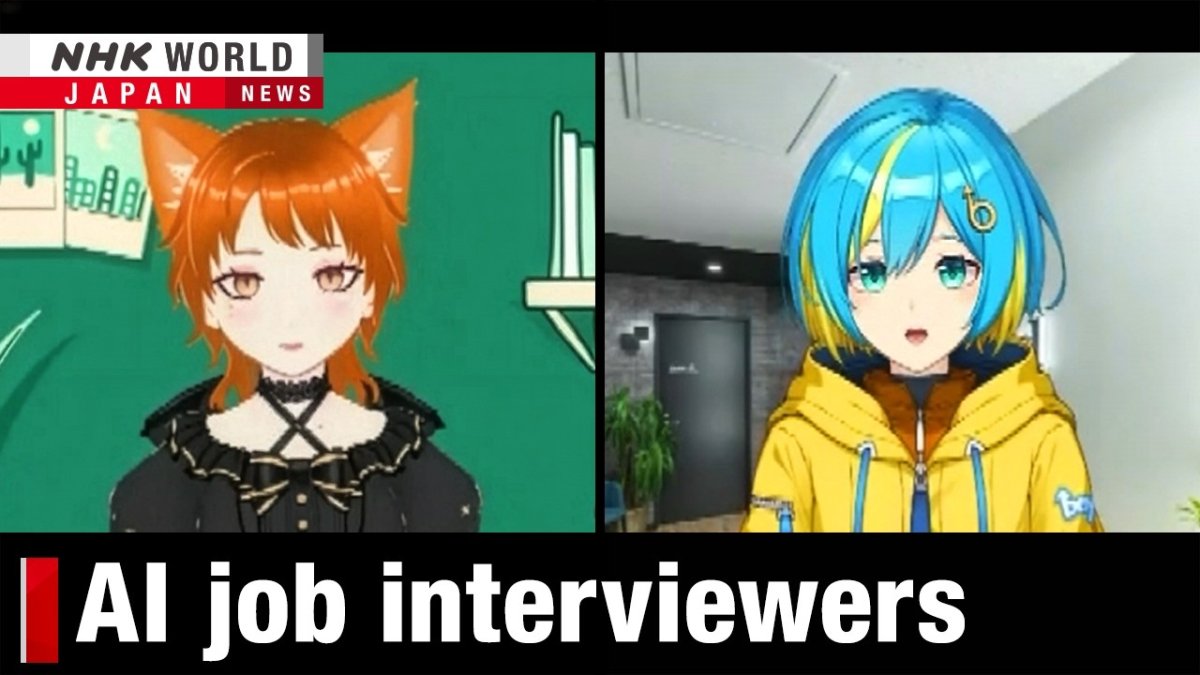
High usage levels affect the entire simultaneous recruitment timeline. Students prepare applications across multiple firms during the spring publicity period, and AI assistance can standardize responses in ways that obscure individual differences. Recruiters therefore seek alternative signals of capability and fit through recorded or avatar-based interactions.
Analysis of the survey data suggests that efficiency gains from AI for applicants have prompted efficiency-seeking responses from employers. Firms must now allocate resources to review interview recordings or manage avatar platforms rather than reading large volumes of written submissions. This reallocation reflects adaptation to changed input quality.
The 41.8 percent statistic also highlights generational differences in technology comfort. Younger job-seekers appear ready to incorporate generative tools, while HR departments in established companies develop countermeasures. Such dynamics illustrate the tension between rapid technological change and the structured traditions of Japan's graduate labor market.
Technology, Labor Shortages, and Japan's Digital Transformation
Japan's labor shortages, particularly acute in information technology sectors, drive experimentation with AI and avatar recruitment tools. Companies compete intensely for limited graduates, prompting innovations that both streamline screening and enhance appeal to candidates. The cases at Suzuyo System Technology and Beyond demonstrate practical responses to these pressures.
Society 5.0 provides the policy framework for these developments. The initiative encourages fusion of cyberspace and physical space to address social challenges, including workforce sustainability. Corporate adoption of AI interviews and avatar systems represents one manifestation of this national strategy within human resource management.
Digital Agency efforts to promote administrative and business digitization further support such shifts. While shukatsu has historically emphasized personal connections and standardized documents, technology now enables blind or automated assessment that prioritizes conversation content. This evolution may gradually alter expectations for both applicants and recruiters.
Forward-looking observations indicate continued refinement of these methods. As more firms observe outcomes from early adopters, integration of AI and avatars could expand beyond initial screening into later stages of the recruitment process. The combination of labor market necessity and technological capability suggests sustained momentum for change.
Implications for Graduate Recruitment Across Asia Pacific
Japan's experience with AI and avatar tools in shukatsu offers reference points for neighboring economies facing similar demographic and technological transitions. The emphasis on concealing identifiers to focus on personality, as practiced at Beyond, addresses concerns about bias that appear in recruitment discussions throughout the region.
Labor shortages affecting corporate Japan mirror challenges in other Asia Pacific markets where IT skills remain in high demand. The decision by Suzuyo System Technology to bypass written applications after observing generative AI use may prompt parallel adjustments elsewhere once comparable adoption rates emerge.
Society 5.0's focus on human-centered technology deployment provides a model for balancing efficiency with fairness. Other countries observing Japan's implementation can assess whether 30-minute AI interviews or avatar platforms deliver improved candidate selection without introducing new distortions.
Regional talent flows could also shift if Japanese firms gain reputation for innovative and transparent hiring. Graduates aware of avatar systems that prioritize content over background may view opportunities in Japan more favorably, influencing cross-border mobility patterns over time.
What to Watch For
Continued monitoring of application volumes and hiring outcomes at firms using AI and avatar methods will clarify long-term effectiveness. Early indications from Beyond show increased applicant numbers, while Suzuyo System Technology reports more precise candidate identification. These metrics will determine whether the approaches scale across additional companies.
Further integration with government digital initiatives under Society 5.0 could standardize certain practices. If METI or the Digital Agency issues guidance on AI use in recruitment, firms may align their processes accordingly, affecting the pace of change in the shukatsu system.
Applicant adaptation represents another variable. As students become familiar with AI interview formats and avatar creation, preparation strategies may evolve, potentially requiring companies to update question sets or interaction designs to maintain assessment value.
Overall, the April 2026 developments signal that Japan's traditional graduate recruitment framework is incorporating digital tools to address both technological and demographic realities. The coming cycles will reveal how widely these methods diffuse and what adjustments prove most durable.
By Kenji Tanaka, Staff Writer
This article was produced with AI-assisted research and editorial support. Reporting is based on sources cited in the article.
What's Your Reaction?
 Like
0
Like
0
 Dislike
0
Dislike
0
 Love
0
Love
0
 Funny
0
Funny
0
 Wow
0
Wow
0
 Sad
0
Sad
0
 Angry
0
Angry
0

Japan Correspondent at Global1.News. Tokyo-based voice covering Japanese politics, technology, economy, and culture. Tracks the intersection of tradition and innovation in one of the world's most dynamic societies.














Comments (0)