
After Years of War, Golan Heights Businesses Struggle to Stay Open
The i24NEWS English report dated June 30, 2026, shows businesses across Israel's Golan Heights fighting to remain open after years of multi-front conflict that began with the October 7, 2023 Hamas attack. The segment focuses on the Golan Heights Winery in Katzrin, which has seen visitor numbers drop sharply since Hezbollah began firing from Lebanon into northern Israel. Katzrin
The i24NEWS English report dated June 30, 2026, shows businesses across Israel's Golan Heights fighting to remain open after years of multi-front conflict that began with the October 7, 2023 Hamas attack. The segment focuses on the Golan Heights Winery in Katzrin, which has seen visitor numbers drop sharply since Hezbollah began firing from Lebanon into northern Israel. Katzrin, home to roughly 7,000 residents and the commercial center of the plateau, now operates with far fewer tourists at sites such as Gamla Nature Reserve and Banias. The report notes that hotel occupancy has fallen to around 30 percent from the pre-war level of 70 to 80 percent, leaving guesthouses in Merom Golan, Ein Zivan, and Neve Ativ on reduced hours and staff.
Tourism Collapse: Wineries, Guesthouses, and Empty Rooms
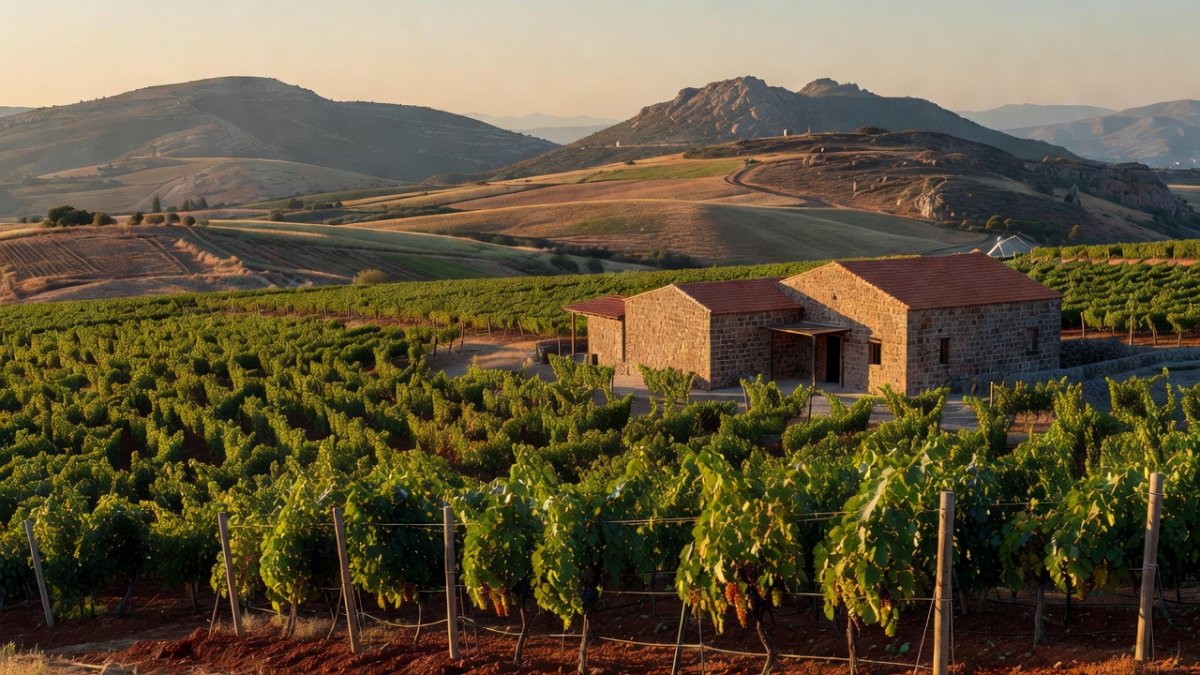
The Golan Heights Winery, founded in Katzrin in 1983, once drew steady crowds for tastings and tours before exporting bottles to markets in the United States, Europe, and Asia. Since the October 7, 2023 Hamas attack triggered Hezbollah rocket fire from southern Lebanon, most of those visitors have stopped coming, forcing the winery to rely almost entirely on domestic sales and exports. The 2026 Iran war that began on February 28 added further supply-chain delays for bottles and packaging materials. Guesthouses in Merom Golan, Ein Zivan, and Neve Ativ now open only on weekends and have cut seasonal staff by half, according to local operators interviewed in the i24NEWS segment.
Tourist sites such as Gamla Nature Reserve with its ancient synagogue and vulture colony, the Banias waterfall at Caesarea Philippi, Yehudia Reserve, and Birkat Ram crater lake remain open but receive only a fraction of previous foot traffic. The IDF has kept roads to these locations secure, yet the combination of periodic Hezbollah fire and Iranian-backed militias in southern Syria keeps many Israeli families from planning trips. Hotel occupancy across the plateau sits at roughly 30 percent, compared with the 70 to 80 percent recorded before October 2023. This sustained drop directly reduces revenue for the roughly 40,000 Jewish Israeli residents who depend on tourism alongside agriculture.

Wineries and hiking operators in the Golan Heights have appealed to the Foreign Ministry for targeted marketing campaigns aimed at European and Asian markets that once formed a reliable customer base. The strategic plateau, seized from Syria in the 1967 Six-Day War and annexed by Israel in 1981, continues to offer the Jordan River headwaters and Sea of Galilee watershed that supply much of the country's drinking water. Without renewed visitor numbers, these economic assets risk long-term contraction even as the government prepares new infrastructure.
Staying Put: How the Golan Avoided Mass Evacuation
Unlike communities in the Galilee such as Kiryat Shmona, Shlomi, and Metula that were evacuated after Hezbollah opened fire in October 2023, Golan Heights towns and villages chose to remain in place. The mayor of Katzrin, who also heads the Golan Regional Council, made the decision to keep residents, schools, and local services operating without interruption. This choice preserved the housing market and allowed families to maintain daily routines despite the proximity of the Syrian border.
Schools in Katzrin and surrounding settlements continued classes throughout the 2023-2026 period, while community centers organized local events to sustain morale. The decision contrasted sharply with the temporary relocation of thousands of residents from Kiryat Shmona, where repeated rocket alerts forced families into hotels farther south. By staying, Golan residents kept property values stable and avoided the economic disruption that evacuation created in other northern towns.
The IDF and Shin Bet coordinated closely with the Golan Regional Council to monitor cross-border threats, allowing the council to assure residents that security infrastructure remained intact. This continuity has become a point of pride for the roughly 40,000 Jewish Israelis living on the plateau. The approach also preserved agricultural operations that produce wine grapes, apples, cherries, and olives for both local consumption and export.
Government Response: The $334 Million Development Plan
In April 2026 the Israeli government approved a 334 million dollar development plan aimed at expanding housing, infrastructure, and economic zones across the Golan Heights. Prime Minister Netanyahu has set a target of doubling the plateau's population to 100,000 by 2030 through new neighborhoods and job creation. The IDF cleared 700 dunams of former minefields near the Syrian border that same month to prepare land for construction.
The plan includes upgrades to roads connecting Katzrin with the Druze villages of Majdal Shams, Mas'ade, and Buq'ata, as well as new industrial zones for light manufacturing. Officials at the Prime Minister's Office stated that these investments will strengthen the region's resilience against future security disruptions. The "North Plus" digital wallet program, already active for border residents, provides direct stipends to households and businesses affected by reduced tourism.
Germany raised formal concerns in June 2026 regarding the expansion plans, citing potential impacts on the UNDOF buffer zone. Israeli diplomats responded that the projects remain within sovereign territory recognized by the United States in 2019 under the Trump administration. The funding also supports continued operation of the Golan Heights Winery and other agricultural exporters that rely on stable access to European markets.
Security Reality: Iranian Threats and the Syrian Border
Iranian-backed groups operating in southern Syria continue to pose periodic threats to Golan communities, prompting regular Shin Bet assessments and IDF patrols along the border fence. The 2026 Iran war that began February 28 further heightened tensions, disrupting both tourism and cross-border agricultural trade. UNDOF peacekeepers maintain positions in the buffer zone alongside UNIFIL forces monitoring the Lebanon frontier.
The Golan's elevated terrain provides Israel with critical observation points over both Syrian and Israeli territory, a factor repeatedly cited by the IDF as justification for maintaining a robust presence. Hezbollah fire from Lebanon has occasionally reached the northern edge of the plateau, though at lower intensity than attacks on Kiryat Shmona. The IDF has reinforced anti-missile systems around Katzrin and the ski resort at Mount Hermon to protect residents who remained in place.
Security officials emphasize that the decision to keep communities open required constant coordination between the Golan Regional Council, the IDF Northern Command, and Shin Bet. This integrated approach has so far prevented mass displacement while allowing limited economic activity to continue. The strategic water sources originating in the Golan add another layer of national importance to every security calculation.
Uneven Recovery: North's Economic Divide
Kiryat Shmona has faced steeper economic losses than Golan Heights communities because its residents were evacuated for extended periods after October 2023. In contrast, the Golan's choice to stay kept local businesses partially operational and preserved the customer base for remaining services. The "North Plus" digital wallet has delivered targeted support to Golan households, yet operators in Kiryat Shmona report slower disbursement and greater uncertainty.
Agricultural producers on the Golan continue to harvest apples, cherries, and olives with fewer labor disruptions than farms near the Lebanon border. Light manufacturing facilities in the new economic zones approved under the April 2026 plan are expected to create jobs that could offset tourism losses. The disparity between the two areas has prompted Knesset members from northern districts to call for additional targeted funding beyond the existing 334 million dollar allocation.
Hotel and guesthouse owners in the Golan note that domestic Israeli tourists have begun returning on weekends, while international bookings remain minimal. This partial rebound has not yet restored pre-war revenue levels at the Golan Heights Winery or at trail operators in Yehudia Reserve. The economic gap with evacuated Galilee towns continues to shape local political discussions ahead of the 2030 population target.
Druze Communities: Between Two Worlds
The roughly 20,000 Druze residents in Majdal Shams, Mas'ade, and Buq'ata have maintained economic ties to both Israel and Syria throughout the conflict period. These villages continue to supply agricultural products and host limited cross-border family visits under strict security oversight. The Golan Regional Council has included Druze representatives in planning sessions for the April 2026 development plan.
Schools in the Druze villages remained open alongside those in Katzrin, preserving community continuity that many residents credit with preventing deeper economic fallout. Local leaders have worked with the Foreign Ministry to ensure that export permits for olives and other produce continue despite regional instability. The strategic location of these villages near the Syrian border places them at the center of Shin Bet monitoring efforts.
Druze business owners report that the "North Plus" wallet program has helped offset reduced sales to Syrian markets closed by the 2026 Iran war. At the same time, they emphasize the importance of stable relations with Jewish Israeli neighbors in Katzrin for long-term economic survival. The villages' position within the broader Golan population of 60,000 underscores their role in the government's 2030 growth target.
Analysis and What Comes Next
The Golan Heights' decision to remain open has preserved community structures that evacuated towns in the Galilee are still rebuilding, yet the tourism collapse threatens the very economic base that supports those communities. The 334 million dollar plan and Netanyahu's 100,000-resident target by 2030 represent a deliberate effort to convert security resilience into demographic and economic strength. IDF clearance of 700 dunams in April 2026 signals that construction will begin even as Iranian-backed threats persist in southern Syria.
Germany's June 2026 concerns and ongoing UNDOF presence highlight the international dimension of any expansion, requiring continued diplomatic engagement by the Foreign Ministry. For Israeli readers, the Golan's control of the Jordan River headwaters and Sea of Galilee watershed makes every security and development decision a matter of national water security. The contrast with Kiryat Shmona's deeper struggles shows that staying in place has produced measurable advantages, provided the government follows through on promised infrastructure.
Businesses such as the Golan Heights Winery and guesthouses in Merom Golan will need renewed marketing and the "North Plus" program to survive until tourism rebounds. The coming months will test whether the combination of cleared land, new housing, and targeted stipends can attract the additional 40,000 residents Netanyahu has set as the 2030 goal. Regional dynamics with Hezbollah, Iranian proxies, and the Druze population will continue to shape daily life on the plateau long after the current reporting cycle ends.
By Hannah Berg, Staff WriterThis article was produced with AI-assisted research and editorial support. Reporting is based on sources cited in the article.
What's Your Reaction?
 Like
0
Like
0
 Dislike
0
Dislike
0
 Love
0
Love
0
 Funny
0
Funny
0
 Wow
0
Wow
0
 Sad
0
Sad
0
 Angry
0
Angry
0

Israel Correspondent at Global1.News. Based in Tel Aviv, covering Israeli politics, security, technology, and society. Provides balanced, deeply-sourced reporting on one of the most closely-watched regions in the world.













Comments (0)