
Ottawa Pledges Additional $520 Million for Jasper Wildfire Rebuild as Recovery Passes $900 Million Mark
In a recent CBC News report, Finance Minister François-Philippe Champagne announced an additional $520 million in federal funding for the ongoing rebuild of Jasper, Alberta, nearly two years after the catastrophic 2024 wildfire. The new funding brings Ottawa's total commitment past $900 million — approaching $1 billion — for what has become one of the most expensive federal dis
In a recent CBC News report, Finance Minister François-Philippe Champagne announced an additional $520 million in federal funding for the ongoing rebuild of Jasper, Alberta, nearly two years after the catastrophic 2024 wildfire. The new funding brings Ottawa's total commitment past $900 million — approaching $1 billion — for what has become one of the most expensive federal disaster responses in Canadian history. Standing in Jasper alongside Mayor Richard Ireland and Parks Canada officials, Champagne framed the investment as both a practical necessity and a statement about Canada's national heritage.
The 2024 Jasper Wildfire: What Happened
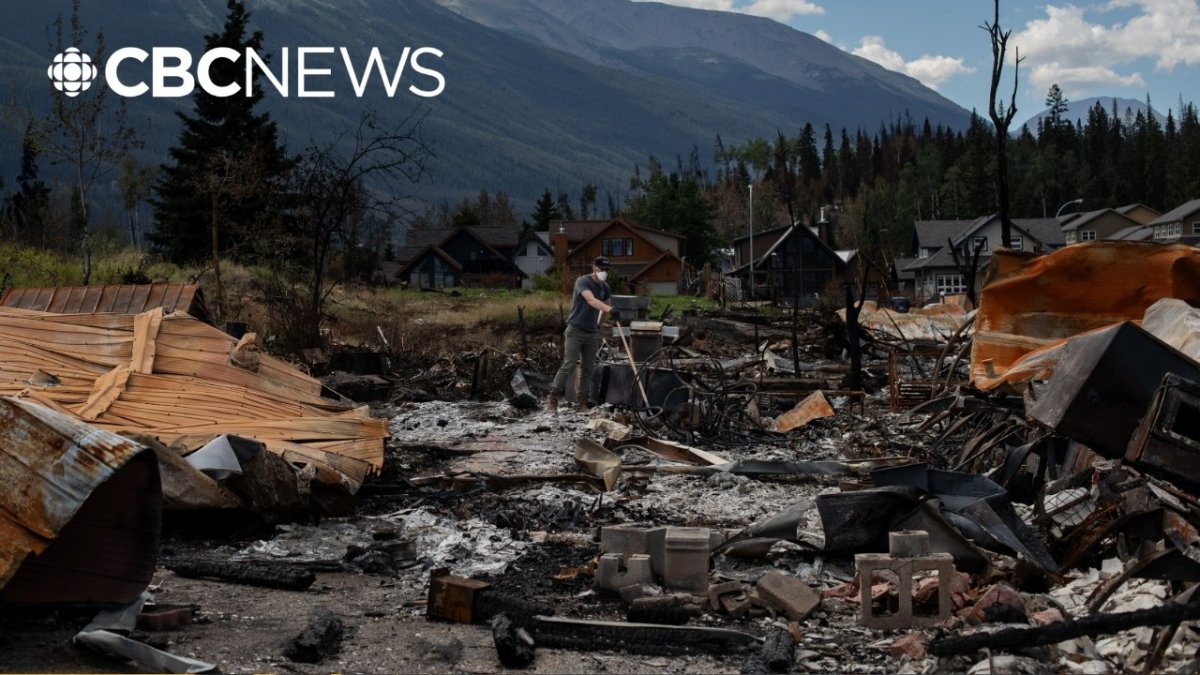
The devastating wildfire that struck Jasper National Park began on July 22, 2024, rapidly escalating into one of the most destructive blazes in recent Canadian history. More than 20,000 residents and visitors were evacuated as flames consumed vast areas of the park and townsite. In total, 350 buildings were destroyed, which included 820 housing units, leaving countless families without homes or belongings in the immediate aftermath. The fire was finally brought under control on September 7, 2024, after weeks of intense firefighting efforts involving provincial and federal resources.
Insurance Bureau of Canada data later revealed insured losses reached $1.3 billion, marking 2024 as the worst Canadian season for insured losses from wildfires, floods, and hailstorms combined. This event highlighted vulnerabilities in remote communities surrounded by dense forest, where dry conditions and high winds accelerated the spread. Experts noted that the scale exceeded previous incidents, forcing a reevaluation of emergency preparedness protocols across similar park towns.
The broader Canadian implications extend to how such disasters strain national resources and test community resilience. Jasper's experience serves as a cautionary tale for other regions, prompting investments in early warning systems and forest management. Neighbours in British Columbia and elsewhere watched closely, recognising parallels that could affect their own tourism-dependent economies in the years ahead.
Details of the $520 Million Funding Package
The additional $520 million announced by Finance Minister François-Philippe Champagne builds on the $385 million previously committed, bringing the federal total past $900 million for Jasper's recovery. This package targets critical infrastructure rebuild, interim housing trailers through March 2028, and essential fire prevention upgrades to safeguard against future threats. Officials emphasised that these allocations address both immediate needs and long-term sustainability in the park community.
Champagne stated during the announcement, "Jasper is more than a park. It's a community. It's a place you call home," underscoring the human element behind the numbers. The funding also supports coordination with Alberta government programs, ensuring seamless integration of federal and provincial efforts. Analysts point out that this level of investment reflects the unprecedented nature of the losses and the priority placed on national heritage sites.
From a Canadian perspective, such funding sets precedents for disaster response in other provinces facing similar risks. It demonstrates Ottawa's commitment to equitable support for smaller communities, where local tax bases cannot cover massive reconstruction alone. This approach could influence future budget decisions, fostering greater collaboration between levels of government to protect vulnerable areas nationwide.
Housing Crisis and Interim Solutions for Displaced Residents
More than 750 people remain in temporary trailers 18 months after the fire, illustrating the persistent housing crisis in Jasper. The new federal funding specifically allocates resources for these interim housing solutions, extending support through March 2028 to provide stability while permanent homes are constructed. This measure addresses the gap between immediate evacuation and full community restoration, helping families maintain routines amid ongoing uncertainty.
Local leaders have stressed the psychological toll of prolonged displacement, with residents expressing frustration over delays in rebuilding. The trailers, while functional, lack the space and amenities of original homes, affecting daily life for families with children and seniors. Data from Parks Canada indicates that reconstruction of housing units is progressing, yet supply chain issues continue to slow completion rates.
These challenges carry significant implications for Canada as a whole, where housing shortages in rural and park communities mirror urban crises. By prioritising interim options, the federal response offers a model for other disaster zones, promoting dignity and continuity. Neighbouring provinces may adopt similar strategies to mitigate the social costs of climate-related displacements in the future.
Business Recovery and the Struggle for Staff Housing
Tourism serves as Jasper's primary industry, and business owners face acute difficulties in attracting and retaining staff due to the housing shortage. Lisa Darrah, owner of Rockaboo Mountain Adventures, has publicly noted that businesses desperately need staff housing to resume full operations and support economic revival. Without adequate accommodations, seasonal workers cannot return, directly impacting revenue for tour operators and hospitality services.
The $520 million package includes provisions that indirectly aid business recovery by freeing up resources for employee housing initiatives. Mayor Richard Ireland has highlighted visible signs of progress, remarking that "That is the sound of progress" amid construction activity. Yet owners report ongoing struggles, with some establishments operating at reduced capacity even two years later.
Canada's tourism sector nationwide depends on communities like Jasper thriving, making this recovery vital for national economic health. The situation underscores the need for integrated planning that links housing policy with industry support. Other park towns can learn from these efforts to build resilient local economies less susceptible to single-disaster disruptions.
Parks Canada and the Town of Jasper: A Joint Rebuild
Parks Canada and the Town of Jasper are jointly directing the rebuild, ensuring that restoration aligns with environmental standards and community priorities. This collaborative model facilitates coordinated decision-making on infrastructure, fire prevention upgrades, and land use planning. Federal officials work alongside municipal leaders to balance preservation of natural assets with the needs of returning residents.
The partnership has enabled efficient allocation of the combined $900 million in funding, focusing on sustainable materials and designs that reduce future wildfire risks. Regular joint briefings keep the public informed, fostering transparency and trust in the process. Challenges such as regulatory approvals have been navigated through shared expertise from both entities.
This joint approach holds lessons for Canada in managing federal lands intertwined with local governance. It promotes unified strategies that respect Indigenous knowledge and ecological integrity while supporting human settlement. Similar frameworks could strengthen responses in other national parks facing development pressures across the country.
National Implications for Disaster Recovery Funding
The scale of federal investment in Jasper signals a shift toward more robust disaster recovery funding mechanisms at the national level. With insured losses from 2024 events totaling billions, policymakers are examining how to scale such commitments without overburdening budgets. The $900 million plus commitment highlights the growing frequency and cost of extreme weather events.
Coordination between the Alberta government and federal programs has proven essential, creating templates for intergovernmental cooperation during crises. This model reduces duplication and accelerates aid delivery to affected areas. Observers note that Jasper's case may influence parliamentary debates on establishing dedicated disaster funds for recurring threats.
Across Canada, these implications encourage proactive measures in provinces from coast to coast. Enhanced funding frameworks could protect economies reliant on natural attractions, ensuring that recovery does not come at the expense of long-term fiscal health. The experience reinforces the value of preparedness investments to lower overall national costs from future incidents.
Climate Change and Canada's Wildfire Future
Climate change is intensifying wildfire seasons across Canada, with Jasper's 2024 experience serving as a stark example of escalating risks. Longer dry periods and stronger winds, driven by shifting weather patterns, have made containment more difficult in forested regions. Scientists link these trends directly to global temperature rises, predicting more frequent and severe events in coming decades.
The Insurance Bureau of Canada has documented how 2024 marked a record for combined losses from wildfires and related hazards, urging greater emphasis on mitigation. Fire prevention upgrades funded in Jasper represent one step toward adaptation, including vegetation management and building code enhancements. These measures aim to build community defences against inevitable future blazes.
Nationally, Canada must prioritise climate strategies that integrate disaster funding with emissions reductions. Neighbouring regions stand to benefit from shared research and technology developed through Jasper's rebuild. This forward-looking perspective ensures that heritage sites and communities remain viable amid environmental changes affecting the entire country.
What Comes Next: Construction Progress and Timelines
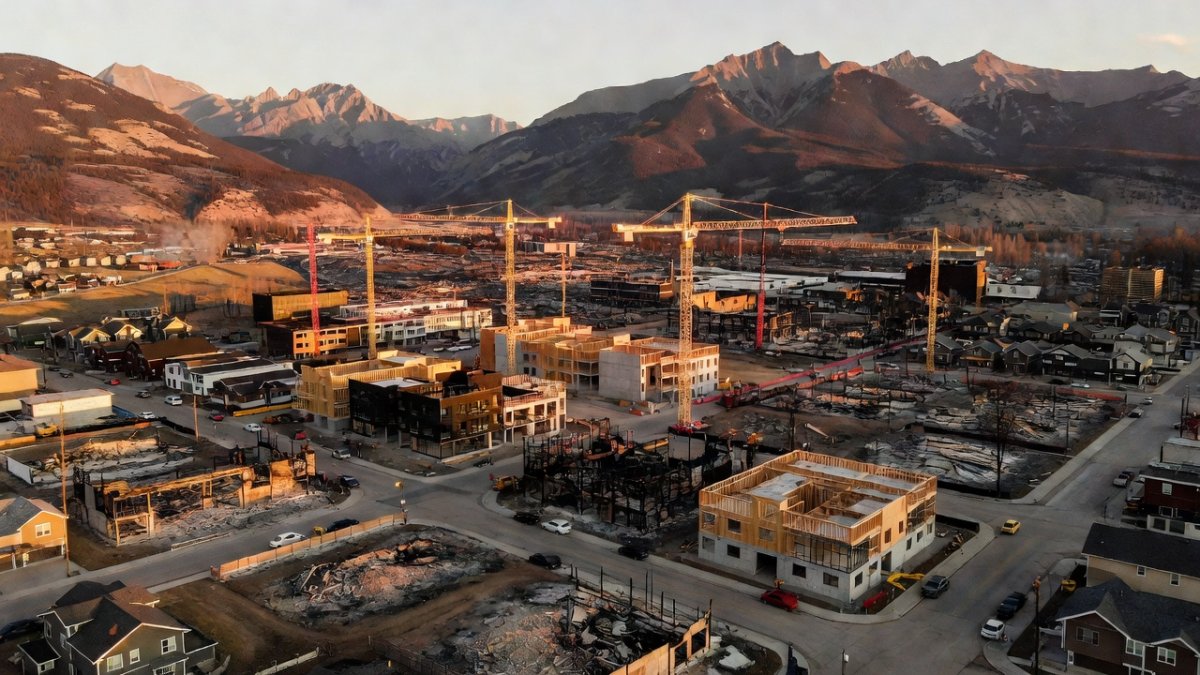
Construction progress in Jasper continues steadily, with Mayor Richard Ireland noting audible signs of advancement as crews work on critical infrastructure and housing. Timelines for permanent rebuilds extend into 2028, supported by the extended interim housing provisions in the federal package. Parks Canada reports that foundational work on utilities and roads is nearing completion in key zones.
Remaining challenges include labour shortages and material delays, yet the joint oversight by Parks Canada and the town helps maintain momentum. The $520 million infusion will accelerate phases focused on fire-resistant designs and community facilities. Residents anticipate phased returns to new homes as milestones are met over the next several years.
These timelines offer a blueprint for Canadian communities preparing for similar recoveries, emphasising patience alongside persistent effort. Successful completion will restore Jasper's role as a tourism hub while enhancing overall resilience. The outcomes will inform national policies, guiding investments that safeguard the country's diverse landscapes and populations for generations ahead.
By Alex Thompson, Staff WriterThis article was produced with AI-assisted research and editorial support. Reporting is based on sources cited in the article.
What's Your Reaction?
 Like
0
Like
0
 Dislike
0
Dislike
0
 Love
0
Love
0
 Funny
0
Funny
0
 Wow
0
Wow
0
 Sad
0
Sad
0
 Angry
0
Angry
0

Canada Correspondent at Global1.News. Based in Toronto, covering Canadian politics, energy, trade, and US-Canada relations. Provides the Canadian perspective on North American and global affairs.















Comments (0)