
Africa's 10-Team Army: Can the Continent Finally Conquer the World Cup?
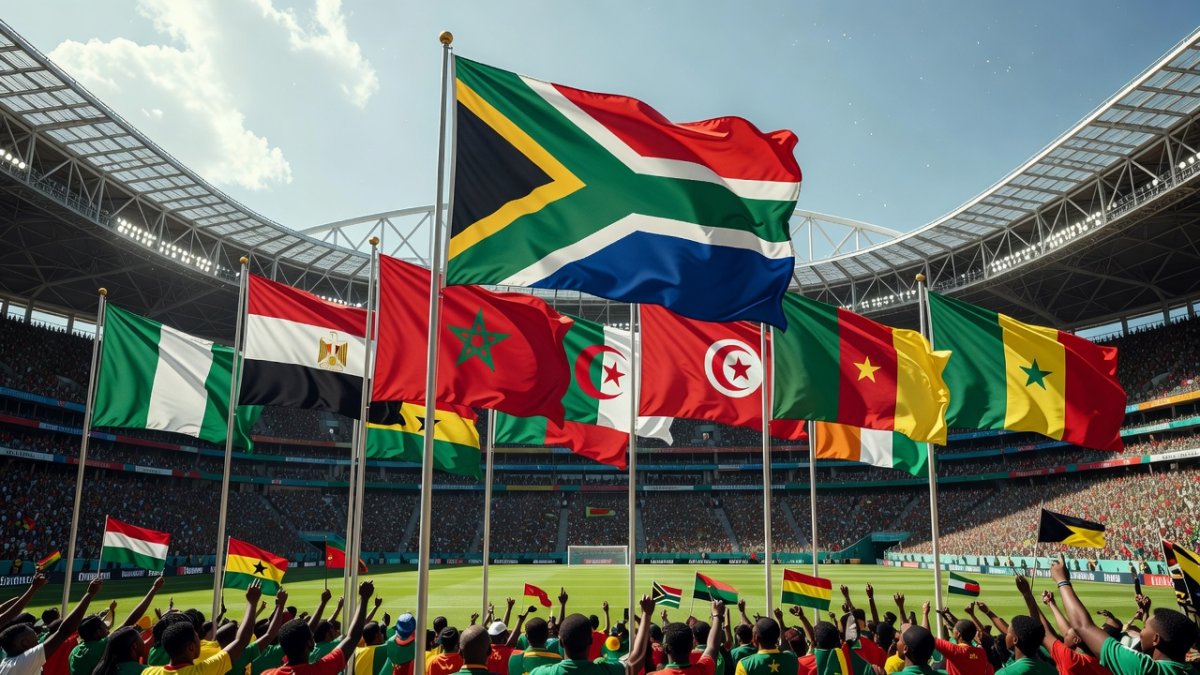
Ten African flags. Ten nations. One continent daring to dream bigger than ever before. The 2026 FIFA World Cup, the first expanded 48-team edition of football's greatest showpiece, has kicked off across 16 cities in the United States, Canada and Mexico — and for the first time in history, Africa has arrived in double figures. Africa's 10-Team Army: Can the Continent Finally Con
Ten African flags. Ten nations. One continent daring to dream bigger than ever before. The 2026 FIFA World Cup, the first expanded 48-team edition of football's greatest showpiece, has kicked off across 16 cities in the United States, Canada and Mexico — and for the first time in history, Africa has arrived in double figures.
Africa's 10-Team Army: Can the Continent Finally Conquer the World Cup?
Johannesburg, South Africa – June 16, 2026 — The 2026 FIFA World Cup marks a turning point for the continent as a record 10 African teams take their place in the expanded tournament that kicked off on June 11. This achievement doubles the previous maximum of five teams and signals growing depth in African football. Fans across South Africa are buzzing with pride because Bafana Bafana have returned after a 16-year absence since hosting the event in 2010. The qualification campaign featured dramatic moments that captured the imagination of every supporter from Soweto to Durban. Local analysts point to improved preparation and tactical discipline as key factors behind this success. The presence of so many nations creates fresh opportunities for South African players to learn and grow on the global stage.
Algeria, Cape Verde, DR Congo, Côte d'Ivoire, Egypt, Ghana, Morocco, Senegal, South Africa and Tunisia form this powerful 10-team army. Each side brings unique strengths shaped by domestic leagues and passionate fan bases back home. South African football enthusiasts are already comparing this moment to the 2010 World Cup excitement when the nation united behind the team. The expanded format gives more African sides a genuine chance to progress beyond the group stage. Coaches have emphasised physical conditioning and set-piece organisation in recent training camps. This collective presence challenges long-held perceptions about African football on the world stage.
Viewers tuning into Al Jazeera English coverage have seen how these teams are preparing with renewed confidence. The tournament schedule places several African sides in high-profile venues that will test their resilience immediately. South African supporters are particularly focused on how Bafana Bafana can use this platform to rebuild their reputation. The record qualification also highlights the role of youth development programmes such as the MultiChoice Diski Challenge in feeding talent into the senior squads. Every match this week carries extra weight because history is being written in real time. The continent now has the numbers to make a serious impact if results align.
The 10 African Teams Ready for Battle
Algeria enters the competition with a strong defensive record and experienced players who have competed in European leagues. Cape Verde makes its debut as the smallest nation represented and has already shown it can compete with giants. DR Congo brings explosive attacking options while Côte d'Ivoire relies on its blend of flair and physicality. Egypt arrives with a squad that has dominated African competitions in recent years. Ghana, Morocco, Senegal, South Africa and Tunisia complete the list, each carrying expectations from their respective supporters. The diversity of styles among these teams makes the group phase unpredictable and exciting for neutral observers.
South African football followers are studying the draw closely because several of these nations share similar challenges with Bafana Bafana. The PSL has produced players who now feature in these squads, creating direct links between local development and international success. On Friday the focus will shift to how these teams handle the heat and travel demands of the North American venues. Coaches have spoken about the importance of squad rotation to manage fatigue across the longer tournament. The presence of 10 teams also means more African referees and officials will gain valuable experience at the highest level. This collective strength could influence future qualification formats and funding decisions by FIFA.
Analysts note that the previous record of five teams often left the continent underrepresented in knockout stages. Now the numbers allow for internal rivalries and mutual support that can elevate overall performance. South African fans remember the 2002 and 2010 campaigns fondly and hope this expanded group can surpass those memories. The teams have trained in specialised camps focusing on high pressing and quick transitions. Every nation has at least one standout player capable of producing match-winning moments. The stage is set for a memorable group phase that could rewrite African football narratives.
South Africa's Long-Awaited World Cup Return
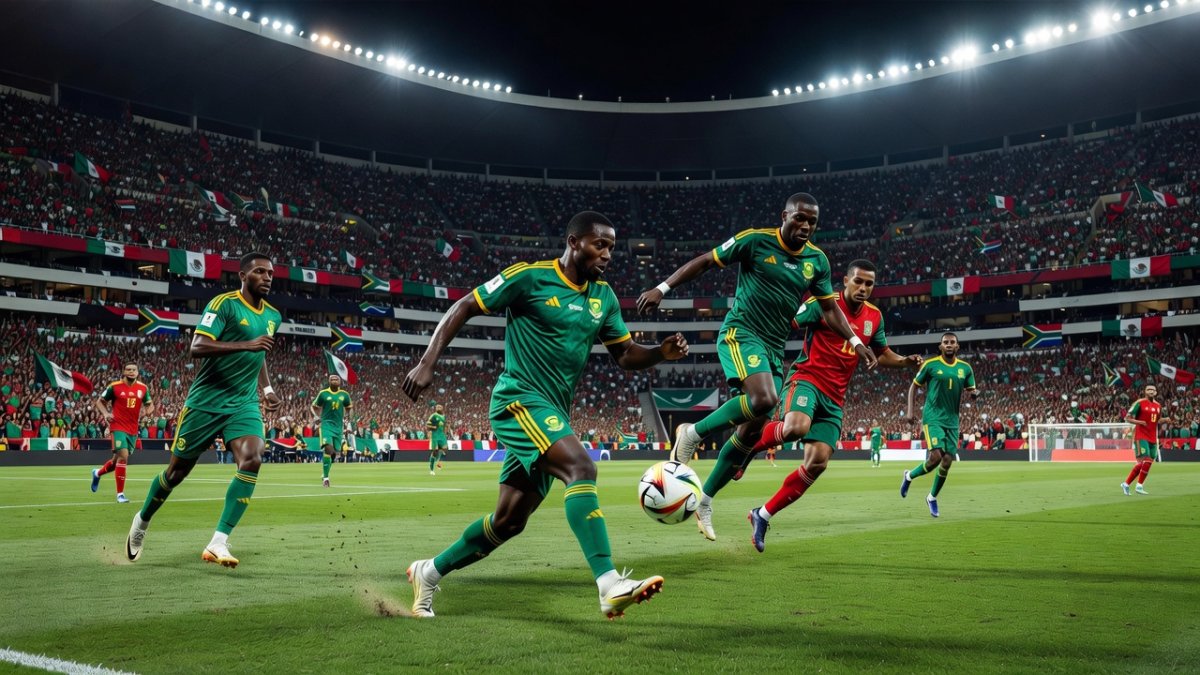
Bafana Bafana opened their campaign with a 2-0 defeat to Mexico in Group A at the Azteca Stadium in Mexico City. The match featured a red card that disrupted their rhythm and left the team reflecting on defensive lapses. This appearance marks the first World Cup for South Africa since the 2010 edition they hosted with such pride. Supporters back home watched with mixed emotions, proud of the qualification yet hungry for better results in upcoming fixtures. The SAFA technical team has already begun reviewing footage to address set-piece vulnerabilities. Young players from the PSL are expected to feature more prominently as the tournament progresses.
The 16-year gap has allowed a new generation of South African talent to mature through the MultiChoice Diski Challenge and national youth structures. Coaches have stressed the need for greater composure in possession against technically gifted opponents. This week the focus turns to recovery and preparation for the next group match where points are essential. South African football culture thrives on resilience, and the team has shown it can bounce back from setbacks. Local media outlets have highlighted the importance of fan support in lifting the players during difficult moments. The return also brings renewed attention to governance issues at SAFA that must be resolved for sustained progress.
Players have spoken about the emotional weight of representing a nation that last appeared on this stage as hosts. The experience gained from this tournament will shape the next cycle of qualification campaigns. South African supporters are already planning viewing parties for remaining matches to maintain momentum. Tactical adjustments are expected after the Mexico encounter, particularly in midfield control. The PSL continues to serve as the primary talent pipeline, and clubs are watching how their players perform under pressure. This return is about more than results; it is about restoring belief in South African football.
Cape Verde's Remarkable World Cup Debut
Cape Verde achieved a memorable 0-0 draw against Spain in Atlanta during their first-ever World Cup appearance. Goalkeeper Vozinha, at 40 years old, produced several outstanding saves that kept the scoreline level. The smallest nation in the tournament demonstrated remarkable organisation and defensive discipline throughout the 90 minutes. South African fans have drawn parallels with their own underdog stories from past African Nations Cup campaigns. The result boosted confidence across the entire African contingent and proved that size does not determine performance. Cape Verde's preparation included intensive training camps focused on compact defending and counter-attacking threats.
The debut has inspired smaller football associations on the continent to invest more in grassroots structures. Players returned to their clubs with renewed motivation after facing one of the world's strongest sides. This week attention turns to their next fixture where another positive result could secure advancement hopes. South African analysts have praised the tactical intelligence shown by the Cape Verde coaching staff. The match highlighted how African teams can neutralise possession-dominant opponents through disciplined shape. Local television coverage in South Africa featured extended highlights that celebrated this achievement.
Cape Verde's success story resonates deeply with communities that have long supported underdog narratives in South African sport. The goalkeeper's heroics have become a talking point in PSL dressing rooms this week. Future generations of Cape Verdean players now have a clear pathway to emulate. The result also underscores the value of experienced leadership within squads preparing for major tournaments. South African football can learn from the unity and focus displayed by this debutant side. The fairytale continues as long as the team maintains its competitive edge in remaining group games.
Egypt's Heartbreaking Near-Miss Against Belgium
Egypt came agonisingly close to their first-ever World Cup victory when they drew 1-1 with Belgium in a tense group encounter. Emam Ashour scored a stunning long-range goal that gave the Pharaohs the lead and sent supporters into celebration. A late own goal by Mohamed Hany ultimately denied them the win after they had defended resolutely for long periods. South African viewers watched the match with great interest because Egypt remains a benchmark for African consistency at major tournaments. The result leaves Egypt with one point but plenty of belief heading into their next fixture. The performance showcased the attacking quality that has made the team a force in African competitions.
Coaches have emphasised the need to convert such dominance into victories in future matches. The draw against a strong European side provides valuable data on how to manage games in the closing stages. South African football stakeholders are studying Egypt's set-piece routines and pressing triggers for possible adoption locally. This week the team will focus on mental recovery and fine-tuning attacking transitions. The near-miss has only strengthened the resolve within the Egyptian camp. Fans across the continent celebrated the goal by Ashour as a moment of pure African brilliance.
The match exposed areas where Egyptian players can improve their concentration during high-pressure moments. South African coaches have noted the importance of goalkeeper distribution in building attacks from the back. Egypt's experience in previous World Cups gives them an edge in handling tournament nerves. The point earned keeps their qualification hopes alive and maintains momentum for the remainder of the group phase. Local media in South Africa have drawn lessons about the value of patience when facing technically superior opponents. This result adds another chapter to Egypt's proud football history on the global stage.
Morocco Building on Their 2022 Legacy
Morocco secured a 1-1 draw with Brazil and continued the momentum from their historic 2022 semi-final run. The Atlas Lions have become the standard-bearers for African football after becoming the first team from the continent to reach that stage. Their performance against Brazil featured disciplined defending and sharp counter-attacks that troubled the South American giants. South African supporters admire the consistency Morocco has shown across multiple tournaments. The team has integrated young talents from European clubs while maintaining a strong core of experienced players. This week they prepare for fixtures that could see them top their group once again.
The 2022 achievement raised expectations across the continent and Morocco has responded with another solid start. Coaches have focused on maintaining the high pressing style that disrupted opponents in Qatar. South African football can draw inspiration from how Morocco developed its youth pathways over the past decade. The draw against Brazil proved that African teams can compete with the very best when organisation meets talent. Local analysts in South Africa have highlighted Morocco's set-piece efficiency as a model worth studying. The team remains a reference point for what sustained investment in football infrastructure can achieve.
Morocco's continued success creates positive ripple effects for other African nations seeking similar progress. The players have spoken about carrying the hopes of an entire continent into every match. South African fans are particularly interested in how Morocco manages the physical demands of the expanded tournament. This week training sessions will emphasise recovery protocols and tactical video analysis. The legacy of 2022 continues to motivate the current squad to aim even higher. Morocco's presence strengthens the overall African contingent and raises the bar for everyone involved.
Algeria and Senegal Face Stern Tests
Algeria will face defending champions Argentina on June 16 in Kansas City in what promises to be a high-stakes encounter. The Desert Foxes have prepared meticulously for the challenge of containing Lionel Messi and his teammates. Senegal, meanwhile, meets France on the same day at MetLife Stadium in New York, reviving memories of their famous 2002 victory over the same opponents. South African supporters are eagerly anticipating these matches because they feature two of the continent's most established sides. Both teams have blended experienced campaigners with emerging talents from top European leagues. The previews have dominated discussions on South African sports radio this week.
Algeria's defensive organisation will be tested against Argentina's fluid attacking patterns. Senegal's high-energy style could again unsettle France if they replicate the intensity from their historic win two decades ago. South African coaches are watching these fixtures for tactical insights that could benefit Bafana Bafana in future cycles. The outcomes will influence how the remaining African teams approach their own group matches. Preparation has included detailed scouting reports and set-piece drills tailored to these specific opponents. The matches carry extra significance because they pit African sides against recent world champions.
Local football communities in South Africa are organising watch parties to follow these crucial clashes. Algeria and Senegal both understand the importance of starting strongly in such high-profile games. The results could determine qualification scenarios for the knockout stages. South African analysts have praised the depth of talent available to both coaches. This week the focus remains on execution and maintaining composure under pressure. These previews highlight the growing competitiveness of African football on the global stage.
The Impact on South African Football Development
The record qualification of 10 African teams carries direct implications for South African football governance and player pathways. SAFA must now accelerate reforms to ensure the national team can compete consistently at this level. The PSL has a responsibility to produce more players capable of performing in World Cup environments. Youth programmes such as the MultiChoice Diski Challenge need continued investment to bridge the gap between domestic and international standards. South African fans expect visible progress in the coming years following this historic moment. The expanded African presence creates more opportunities for local coaches to gain exposure through continental networks.
Clubs across the country are already planning to incorporate lessons from the tournament into their training methodologies. The success of other nations shows what is possible with structured long-term planning. South African football stakeholders have begun discussions about increasing technical support for national youth teams. This week the focus remains on how the current Bafana Bafana campaign can inspire the next generation of players. The record number of African teams validates the talent that exists across the continent when opportunities are created. Local media continue to highlight the need for better facilities and coaching education.
The tournament serves as a benchmark for measuring South African football against its peers. SAFA leadership faces pressure to deliver results that match the ambition shown by other associations. The PSL must also adapt to produce players who can handle the tactical demands seen in these matches. South African supporters remain optimistic that this moment can catalyse meaningful change. Investment in grassroots football will determine whether the country can maintain its place among the continent's elite. The lessons from 2026 will shape the next decade of development.
Looking Ahead to the Remainder of the Tournament
The remaining group matches for Ghana, Côte d'Ivoire, DR Congo and Tunisia will determine how many African teams advance to the knockout stages. Each side has shown promise in preparation and will look to build on the strong start by their continental counterparts. South African fans are following these fixtures closely because every positive result strengthens the overall narrative. The expanded format provides more opportunities for surprises and memorable performances. This week promises intense action as the group phase reaches its conclusion. The continent's collective performance will be judged by how many teams progress beyond the groups.
Coaches across Africa are already planning adjustments based on early tournament trends. South African football can benefit from studying the tactical approaches that succeed at this level. The record qualification has created a platform for sustained growth if lessons are applied correctly. Fans are hopeful that the momentum continues through the knockout rounds. The tournament offers a unique chance to showcase African talent to a global audience. Future cycles will benefit from the experience gained by players and officials this year.
By Dante Williams, Staff WriterThis article was produced with AI-assisted research and editorial support. Reporting is based on sources cited in the article.
What's Your Reaction?
 Like
0
Like
0
 Dislike
0
Dislike
0
 Love
0
Love
0
 Funny
0
Funny
0
 Wow
0
Wow
0
 Sad
0
Sad
0
 Angry
0
Angry
0

Breaking News and Investigations Correspondent at Global1.News. Based in London, covering global breaking news, security, and investigative stories. Known for digging deeper and connecting the dots across continents.










Comments (0)