
Invest 90L: First Potential Tropical Storm of 2026 Season Threatens Gulf Coast
Folks, let me be real with you about what's brewing in the Gulf right now. There is a disturbance sitting off the Texas-Mexico border that the National Hurricane Center has officially designated Invest 90L, and the NHC gives it a 60 percent chance of becoming Tropical Storm Arthur — the very first named system of the 2026 Atlantic hurricane season. The NHC's advisory on Tuesday
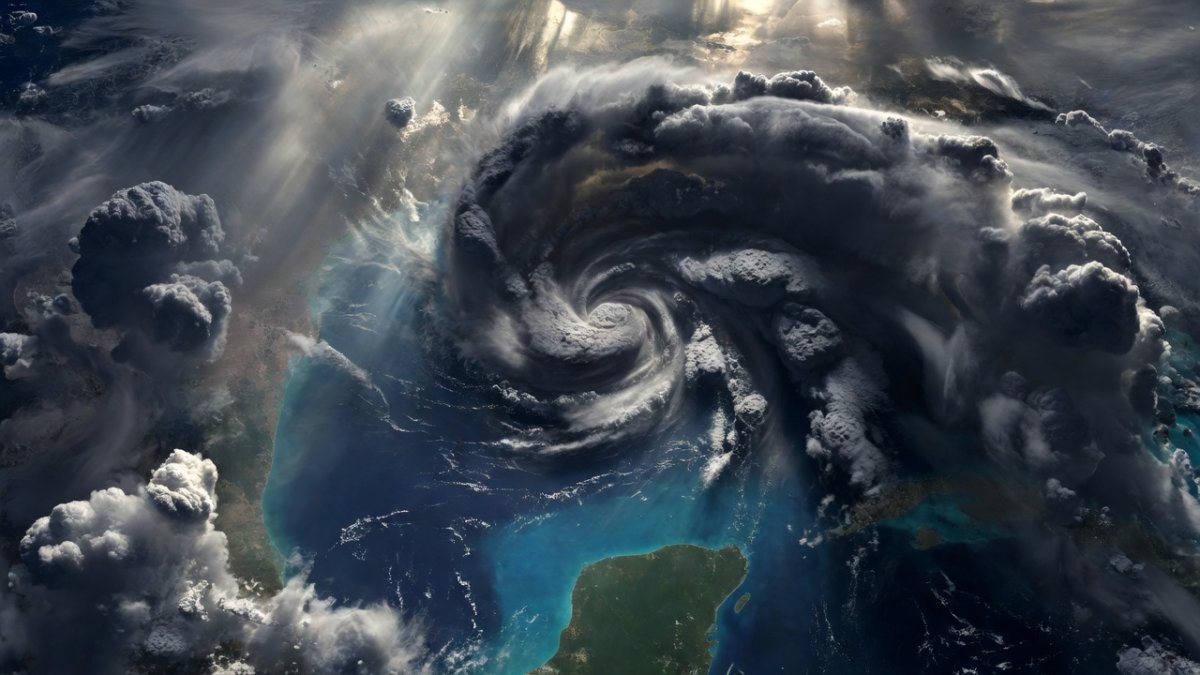
Folks, let me be real with you about what's brewing in the Gulf right now. There is a disturbance sitting off the Texas-Mexico border that the National Hurricane Center has officially designated Invest 90L, and the NHC gives it a 60 percent chance of becoming Tropical Storm Arthur — the very first named system of the 2026 Atlantic hurricane season. The NHC's advisory on Tuesday, June 16, at 8 AM Eastern made one thing crystal clear: the Gulf Coast needs to wake up. Not because this is going to be a Category 5 monster. But because the real danger here has nothing to do with wind speed and everything to do with something far more deadly: water.
The Setup: What the National Hurricane Center Is Tracking
Here's the technical picture. The NHC has been monitoring a trough of low pressure that is currently situated near the border of Texas and Mexico. It is a broad, disorganized area of showers and thunderstorms — the kind of system that can either fizzle out or suddenly get its act together once it moves over warm Gulf waters. As of the 8 AM EDT outlook on Tuesday, the NHC puts development odds at 60 percent within 48 hours and 60 percent within the next seven days. If it reaches sustained winds of 39 miles per hour, it gets the name Arthur.
The system is expected to drift northeastward into the Gulf of America — that is what the NHC is now calling the Gulf of Mexico — late Tuesday into Wednesday. From there, warm sea surface temperatures in the mid-to-upper 80s could give it enough energy to organize into a tropical depression or a named storm. Now, 60 percent is not a guarantee. But it is high enough that the entire northern Gulf Coast should be paying attention, and the NHC updates its tropical weather outlook twice a day at 2 AM and 2 PM Eastern precisely because systems close to land can ramp up fast.
Let me put this in perspective. A system that forms within 200 miles of the coastline does not need a five-day forecast cone to threaten communities. It is already there. That is what makes Invest 90L different from the kind of storms that form way out in the Atlantic and give you a week to prepare. This one could be on top of the coast almost as soon as it gets organized.
Heavy Rain Is the Real Story Here — Wind Is Secondary
I want to be very clear about something because the media tends to get this wrong every single time. When a tropical system threatens the Gulf Coast, the headlines scream about wind speed and category ratings. But the deadliest threat from Invest 90L, regardless of whether it ever gets named, is rainfall flooding. Period. The Pensacola area is looking at the potential for up to seven inches of rain over the next few days. Seven inches. That is not a passing thunderstorm. That is the kind of water that turns roads into rivers, floods low-lying neighborhoods, and overwhelms drainage systems that were never designed for that volume.
And it is not just Pensacola. The National Weather Service offices from Texas all the way across to Florida have issued statements about the potential for heavy rainfall. We are talking about Texas, Louisiana, Mississippi, Alabama, and the Florida Panhandle all potentially in the path of this system. Even if Invest 90L never organizes into a named storm, it is still going to pull deep tropical moisture northward and wring it out over the Gulf Coast. A slow-moving tropical depression — or even a remnant low — can dump more rain in 24 hours than some of these cities see in an entire month.
Let me give you some context. In 2018, Tropical Storm Alberto formed in late May and made landfall in the Florida Panhandle. It was a minimal storm — 65 mile per hour winds, barely a tropical storm — but it dropped heavy rain across the Southeast and caused $125 million in damage. Five people died. Not because the wind was strong, but because they drove into floodwaters or were caught off guard by rapidly rising water. Alberto was the first named storm of the 2018 season. Sound familiar? Invest 90L could be the first named storm of the 2026 season, and the lesson from Alberto is exactly the same: early-season storms kill through flooding, not wind.
The Psychology Problem: Why Early June Storms Catch People Off Guard
There is a very real psychological trap that happens every single year when hurricane season starts on June 1. People are not thinking about storms yet. They are thinking about summer vacation, the Fourth of July, barbecues, and beach trips. The mental switch from "it's summer" to "I need a hurricane plan" does not flip overnight. And that lag time is exactly when early-season storms like this one do their damage.
Consider this: most people do not even check their hurricane supplies until August or September, when the peak of the season arrives and the media is saturated with cone forecasts. But the Atlantic hurricane season runs from June 1 through November 30, and the Gulf of America does not care about the calendar. Waters are warm enough for tropical development by early June, and systems that form close to land — sometimes called "homegrown" storms — are actually more common in June than they are in the heart of the season. They are the wildcards. They usually form fast, move in fast, and leave people scrambling.
The data backs this up. Since 2015, there have been named storms forming in June or before in eight out of ten seasons. Tropical Storm Andrea in 2019, Tropical Storm Alberto in 2018, Tropical Storm Cindy in 2017, Tropical Storm Colin in 2016 — these were all early-season systems that impacted the Gulf Coast. None of them were blockbuster hurricanes. But they all caused real damage, real flooding, and in some cases, real loss of life. Invest 90L is the 2026 version of that pattern, and nobody should be shrugging it off because it is only June 16.
What Gulf Coast Residents Need to Do Right Now — Actionable Steps
I am not going to end this article with vague warnings and generic advice. Here are specific things you need to do today, not tomorrow, not when it gets named.
First: go to hurricanes.gov right now. That is the National Hurricane Center website. Bookmark it. Check the tropical weather outlook. The NHC updates it every six hours with detailed discussions, and the graphical outlook shows you exactly where the system is and where it is heading. Do not rely on social media or random weather apps. Go to the source.
Second: check your flood risk. If you live in a flood zone, you probably already know. But heavy rainfall flooding can happen anywhere, not just in designated flood plains. FEMA's flood map service center can tell you your zone. Even if you are outside a high-risk area, a seven-inch rain event can still put water in your home. Clear your gutters and storm drains. Make sure water has somewhere to go.
Third: review your evacuation zone. Every Gulf Coast county has an evacuation zone map — usually divided into A, B, C, and so on. Find yours. If local officials call for evacuations in your zone, you need to already know where you are going and how you are getting there. Do not look this up while water is rising.
Fourth: prepare for power outages. A tropical depression does not have to be a hurricane to knock down power lines. Heavy rain and gusty winds — even just 30 to 40 miles per hour — can bring down tree limbs and utility poles. Charge your devices. Fill your gas tank. Have flashlights and batteries ready. Cash on hand, because card readers do not work without power.
Fifth: talk to your neighbors. This is the one that people forget. Check on elderly neighbors, people with disabilities, or anyone who might not have access to real-time weather information. Community preparedness is what saves lives when systems like this move through. A text message or a knock on the door can make all the difference.
The 2026 Hurricane Season Forecast: Below Normal Does Not Mean No Threat
NOAA released its 2026 Atlantic hurricane season outlook on May 21, and the headline was that this season is expected to be below normal. The agency is forecasting 8 to 14 named storms, 3 to 6 hurricanes, and 1 to 3 major hurricanes. Colorado State University lowered its own forecast around the same time, predicting a relatively quiet season due to warm neutral ENSO conditions that do not favor explosive Atlantic development. And those forecasts may well turn out to be accurate — by the numbers, this could be a quieter-than-average year.
But here is the problem with seasonal forecasts: they are averages, not guarantees. A below-normal season still produces storms. Katrina happened in 2005, which was near average by some measures. Andrew in 1992 was in a season that had only six named storms — one of the quietest on record. The single storm that hits your house does not care whether the seasonal count is below normal, near normal, or above normal. It only cares if you are in its way.
And here is the specific danger for Invest 90L. Systems that form in the western Gulf of America in June do not need the large-scale atmospheric conditions that fuel the big Cape Verde hurricanes in August. They do not need a favorable Madden-Julian Oscillation phase or low wind shear across the entire tropical Atlantic. They just need warm water, a little bit of spin, and a few hundred miles of open Gulf to organize. That is it. So when NOAA says below normal, it means the overall season is likely to produce fewer storms. It does not mean you get to tune out. It means you get to stay prepared without the constant alarm. There is a difference.
So here is my bottom line, Gulf Coast. Invest 90L has not even been named yet, and honestly, it might never earn the name Arthur. But that is beside the point. The National Hurricane Center has given this system a 60 percent chance of development, and regardless of what happens in the next 48 hours, heavy rain is coming to the northern Gulf. The Pensacola area could see up to seven inches. Flooding is the threat. Complacency is the enemy.
Stay informed. Go to hurricanes.gov. Clear your drains. Check on your neighbors. And do not let the words "below normal" talk you into sitting this one out. The Gulf has a way of reminding us who is in charge, and it usually happens when we least expect it. Stay sharp, stay dry, and take this seriously — because Invest 90L is the first test of the 2026 season, and how you respond to this one sets the pattern for the rest of the summer.
By Jessica Ali, Global 1 News
This article was produced with AI-assisted research and editorial support. Reporting is based on sources cited in the article.
What's Your Reaction?
 Like
0
Like
0
 Dislike
0
Dislike
0
 Love
0
Love
0
 Funny
0
Funny
0
 Wow
0
Wow
0
 Sad
0
Sad
0
 Angry
0
Angry
0

Editor-in-Chief at Global1.News. Atlanta-based journalist who cuts through the BS and tells it like it is. Lead anchor, host, and the voice you hear when the spin stops and the truth starts.












Comments (0)