
Abuja Alternate Festival 2026 Returns with Creative Rejuvenation and Global Ambitions for Africa's Alte Scene
The Abuja Alternate Festival returned this year with a cultural revival that reminded everyone why Nigeria's capital is a serious force in African creative expression. Organised by Bluetooth Entertainment, the 2026 edition of the festival brought together alternative music, visual arts, industry development sessions, and a community-driven energy that has defined the event sinc
The Abuja Alternate Festival returned this year with a cultural revival that reminded everyone why Nigeria's capital is a serious force in African creative expression. Organised by Bluetooth Entertainment, the 2026 edition of the festival brought together alternative music, visual arts, industry development sessions, and a community-driven energy that has defined the event since its debut in 2021.
Abuja Alternate Festival 2026 Returns with Creative Rejuvenation and Global Ambitions for Africa's Alte Scene
Abuja, Nigeria — When MC BluetoothCCFR, the on-air personality behind Wazobia FM Abuja, first launched the Abuja Alternate Festival in 2021, few could have predicted how quickly it would grow into one of Nigeria's most important platforms for alternative music. Four editions later, the festival has become a staple of Abuja's cultural calendar.

The Rise of Abuja's Alternative Music Scene
The Alte scene in Nigeria found a dedicated home in Abuja thanks to the Abuja Alternate Festival organised by Bluetooth Entertainment. Since its debut in 2021 the event has positioned the capital as a hub for non-mainstream sounds that stand apart from Lagos-dominated commercial trends.
Founder Momoh Pius Oshogwemoh known on air as MC BluetoothCCFR created the festival as a sanctuary for artists whose music defies conventional expectations. His role as an on-air personality with Wazobia FM Abuja gave him the platform to champion these voices from the start.
The festival established its presence at venues including the Abuja Continental Hotel formerly known as Sheraton Abuja. Additional locations such as Cafe One in the Central Business District Whispers Art Haus in Maitama and the Exhibition Pavilion at Playzone in Area 11 Garki have hosted performances and sessions across editions.
Since its inception the Abuja Alternate Festival has attracted thousands of attendees each year. Organisers earned recognition for seamless logistics premium sound quality and an intimate yet energetic atmosphere that keeps audiences returning.
This growth reflects a broader shift where Abuja now rivals other Nigerian cities in nurturing alternative expressions. The consistent programming has turned the festival into an essential stop for those seeking fresh sounds rooted in local realities.
From the earliest days the event emphasised community over spectacle. Bluetooth Entertainment built structures that allow artists to connect directly with listeners in settings that feel both professional and welcoming.
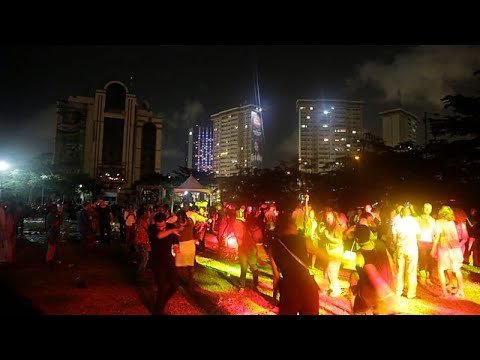
A 2026 Lineup That Celebrated Creative Diversity
The 2026 grand finale on March 21 showcased a lineup that highlighted the depth of Nigeria's alternative music community. Performers included itsatela an Idols finalist The Isomers an AFRIMA Award-nominated indie-alternate band Wealth Asuquo The Kenke Jarell Ebuka Nunu Eluma and Pearl Rocker.
Additional artists featured Shime Ahua presenting the debut project BLOOM Nigerian rock legend Bemsar and international award-winning singer-songwriter Blessing Tangban. Their sets demonstrated the range of styles that define the Alte movement today.
Multiple venues hosted activities throughout the festival. Virtual Industry Alchemy masterclasses took place on X Spaces while in-person sessions occurred at Cafe One clubhouse sessions ran at Whispers Art Haus and the grand finale unfolded at Playzone Exhibition Pavilion in Area 11 Garki.
The programme balanced family-friendly daytime funfair activities with high-energy evening concerts. This structure allowed diverse audiences to participate without compromising the artistic focus of the main performances.
The Isomers brought their AFRIMA-nominated sound to the stage reinforcing the festival's commitment to recognised talent. Each act contributed to an atmosphere where experimentation and cultural storytelling took centre stage.
Attendees moved between locations across Abuja experiencing both intimate sessions and larger productions. The variety ensured that the 2026 edition captured the full spectrum of the alternative scene.
From Local Concert to Global Production Hub
The British Council Creative Economy Support Programme grant awarded in 2022 transformed the festival's ambitions. This support enabled Bluetooth Entertainment to expand beyond a single-city event into a platform with international reach.
MC BluetoothCCFR stated that winning the British Council grant allowed the team to think beyond being just a local concert and start building a global production hub. The funding directly influenced the hybrid format introduced in later editions.
The 2026 edition streamed to 193 countries through a partnership with Mob Urban Radio. This digital broadcast reached an estimated 2 million virtual listeners who accessed performances and sessions from locations far beyond Nigeria.
Key partners included The Big One for design and image branding The Grill Hype for publicity and Zoho Africa for business solutions. Their involvement strengthened production values and audience engagement across platforms.
The mission remains clear to show the world that Abuja is the epicentre of Nigerian creativity. This goal drives decisions around programming partnerships and technology adoption each year.
Virtual sessions stayed free to attend allowing wider participation from across the continent and beyond. The combination of physical and digital elements created new pathways for artists and fans alike.
Industry Development Beyond the Music
Digital industry sessions under the Industry Alchemy banner covered intellectual property legal checklists for creators technology in the music business data ownership and scaling with digital tools. These workshops equipped participants with practical knowledge for long-term careers.
A media roundtable examined the African creative economy with direct input from professionals working across the sector. Discussions highlighted opportunities and challenges specific to alternative artists operating outside mainstream structures.
The festival emphasised artist entrepreneurship through sessions on project management business automation career-building strategies and knowledge sharing. These elements help bridge the gap between creative talent and commercial sustainability.
Organisers positioned the Abuja Alternate Festival as open to brand partnerships that can deliver global audience access. Such collaborations support both emerging and established acts in reaching new markets.
Participants left with concrete strategies for protecting their work and growing their presence. The focus on business skills complements the artistic programming and strengthens the overall ecosystem.
By addressing these topics the festival contributes to a more resilient creative sector in Nigeria. Artists gain tools that extend well beyond the weekend of performances.
What This Means for Nigeria's Creative Economy
The Abuja Alternate Festival demonstrates the economic impact of Nigeria's alternative music scene. Events like this generate revenue for venues technicians and local businesses while creating visibility for artists who might otherwise remain underground.
AAF positions Abuja alongside Lagos as a creative capital where innovation thrives. The festival's success shows that the capital offers infrastructure and audiences ready to support non-mainstream expressions.
The Alte movement influences Nigerian pop culture fashion and youth identity in visible ways. Its reach extends to other African creative hubs including Dakar's music scene Nairobi's art collectives and Accra's alternative fashion circles.
Festivals of this kind create pathways for emerging artists to build sustainable careers. They connect local talent with international opportunities through digital streams and industry sessions.
From a Senegalese perspective the model resonates with how Dakar has long supported diverse musical traditions through community events. The emphasis on cultural preservation alongside commercial growth mirrors approaches seen in West African creative spaces.
Overall the festival contributes to a continent-wide narrative where African cities define their own creative futures rather than following external templates.
What to Watch For
Organisers have signalled the festival's planned return with the message See you at the next one. While specific dates for 2027 remain to be confirmed the team continues to develop plans for expanded programming.
Growing ambitions centre on further global reach through digital broadcasting. The success of the 2026 hybrid format provides a foundation for reaching even larger audiences in future editions.
Abuja has the potential to become a year-round creative destination if infrastructure and partnerships continue to develop. The festival serves as an anchor for ongoing activity in the alternative scene.
AAF forms part of a broader wave of African festivals including Mawazine Saint-Louis Jazz and Sauti za Busara that place the continent's creative economy on the global map. These events collectively strengthen cultural exchange and economic opportunities.
Followers can watch the official account @DAlternateFest for 2027 announcements. Continued engagement will reveal how the festival evolves in response to artist and audience needs.
The Abuja Alternate Festival has proven that the Alte movement is not just a musical trend but a cultural and economic force reshaping how Africa tells its own stories. As the festival looks toward its next edition one thing is clear — Abuja's creative renaissance is only just beginning.
By Amara Diop, Staff Writer
This article was produced with AI-assisted research and editorial support. Reporting is based on sources cited in the article.
What's Your Reaction?
 Like
0
Like
0
 Dislike
0
Dislike
0
 Love
0
Love
0
 Funny
0
Funny
0
 Wow
0
Wow
0
 Sad
0
Sad
0
 Angry
0
Angry
0

West Africa/Sahel Correspondent at Global1.News. Dakar-based journalist covering politics, security, climate, and development across Francophone and Anglophone West Africa. Tells the stories of a region undergoing profound transformation.












Comments (0)