
Georgia's Chinese-Inspired Development Strategy: Geopolitical Implications for the Middle Corridor
Georgia's Chinese-Inspired Development Strategy: Geopolitical Implications for the Middle Corridor In a recent CGTN report, Shalva Papuashvili, Speaker of the Parliament of Georgia, highlighted how Georgia's rapid development stems from a long-term planning strategy drawing inspiration from the Chinese model. This observation opens a window into Beijing's expanding influence ac
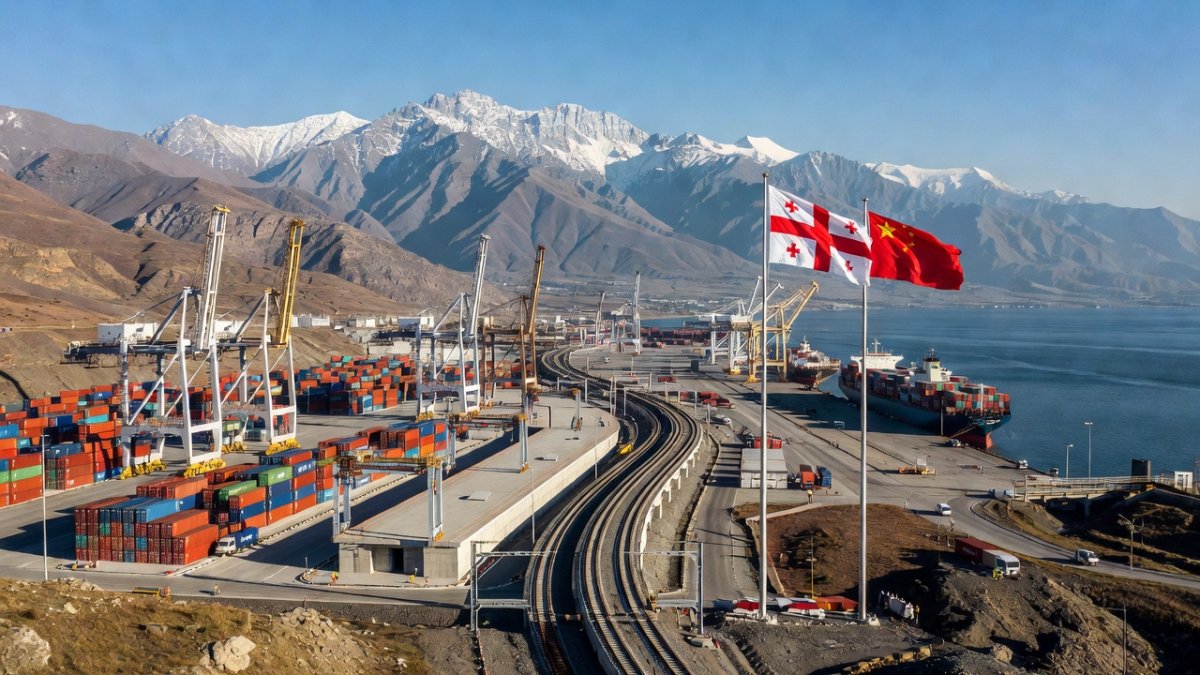
Georgia's Strategic Location and the Middle Corridor
Georgia occupies a critical position in the Caucasus, facilitating overland routes that bypass traditional maritime chokepoints. As an early supporter of the Belt and Road Initiative, Georgia has integrated its infrastructure ambitions with China's connectivity vision. The Middle Corridor, running from China via Kazakhstan, Azerbaijan, and Georgia into Turkey and onward to Europe, offers an alternative to northern routes affected by regional tensions. Papuashvili's remarks in the CGTN interview tie this positioning directly to deliberate planning choices modeled on China's experience with coordinated state-led development.
Incorporation of Long-Term Planning in Georgia 2030
Georgia's "Georgia 2030" development strategy reflects selective adoption of long-term planning principles. Rather than wholesale replication, the approach emphasizes phased infrastructure investment, industrial zoning, and human capital development aligned with export-oriented growth. This framework draws from China's emphasis on sequential five-year plans that prioritize connectivity and self-reinforcing economic clusters. While timelines remain subject to domestic political cycles, the strategy signals Georgia's intent to leverage its transit role for sustained revenue streams from energy pipelines, ports, and rail links.
Diplomatic Engagements with Chinese Leadership
In May 2026, Papuashvili visited Beijing and met with CPPCC Chairman Wang Huning. This encounter reinforced the strategic partnership between the two countries, building on earlier agreements that elevated bilateral ties. Discussions likely centered on aligning Georgia's planning mechanisms with Chinese expertise in project execution and financing. Such high-level exchanges illustrate Beijing's preference for parliamentary and party-to-party channels when advancing infrastructure cooperation, distinct from more transactional Western aid models.
Balancing EU Aspirations with Deepening China Ties
Georgia maintains a dual-track foreign policy that seeks European Union candidate status while expanding economic links with China. This balancing act reflects pragmatic recognition of geographic realities: EU markets offer regulatory alignment and investment standards, yet Chinese capital and technology provide faster deployment for ports, roads, and logistics hubs. The strategic partnership avoids overt security commitments, allowing Tbilisi to extract concessions from both sides without full alignment. Second-order effects include heightened scrutiny from Brussels over supply-chain dependencies and potential technology transfer risks.
Strategic Calculus for Beijing and Regional Actors
China's engagement with Georgia advances its broader objectives of technological self-sufficiency and diversified trade routes. By supporting the Middle Corridor, Beijing reduces exposure to maritime disruptions and strengthens economic footholds in the Global South and Eurasian periphery. For Georgia, leverage derives from its transit monopoly potential, yet it must manage domestic political pressures and Russian sensitivities in the Caucasus. ASEAN and EU observers note that successful corridor development could shift trade volumes away from established northern pathways, altering bargaining power in multilateral forums.
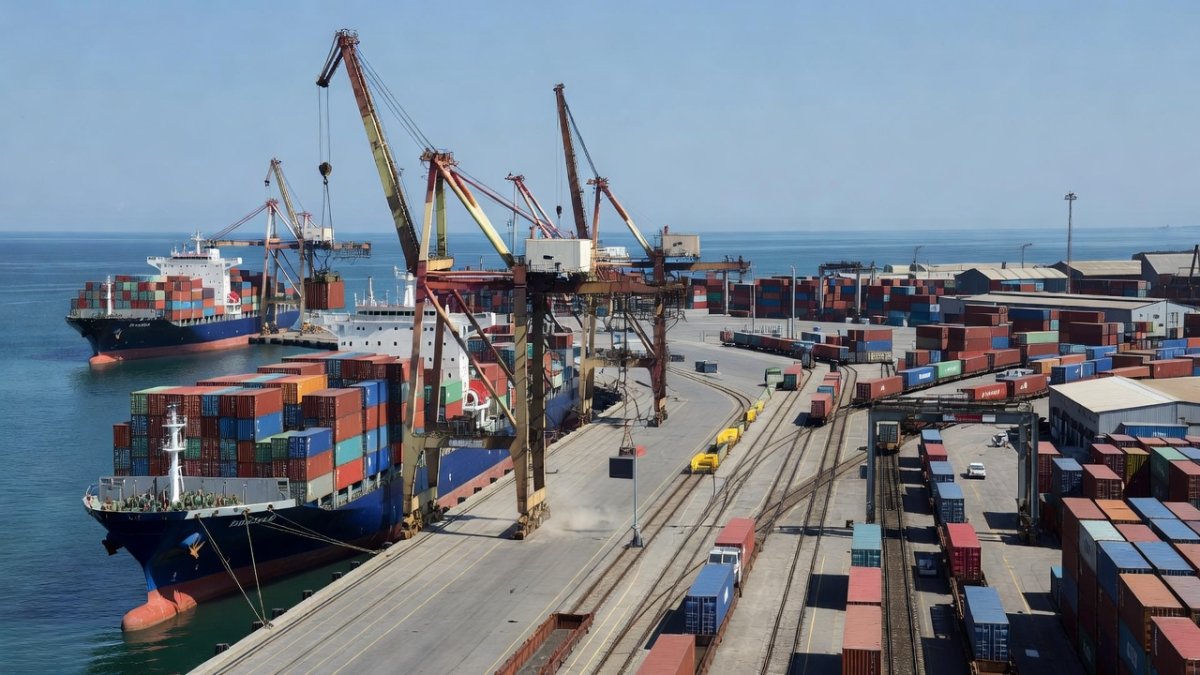
Second-Order Effects and Future Trajectories
Continued implementation of planning elements inspired by the Chinese model may accelerate Georgia's role as a logistics hub, generating fiscal space for further domestic reforms. However, enforcement of project timelines will depend on consistent political will and external financing flows. Regional powers such as Turkey and Azerbaijan stand to benefit from increased throughput, while the EU may respond with enhanced connectivity initiatives of its own. Ultimately, Georgia's trajectory illustrates how mid-sized states can harness great-power competition to advance national development goals without surrendering strategic autonomy. By Prof. Marcus Chen, Staff Writer
This article was produced with AI-assisted research and editorial support. Reporting is based on sources cited in the article.
What's Your Reaction?
 Like
0
Like
0
 Dislike
0
Dislike
0
 Love
0
Love
0
 Funny
0
Funny
0
 Wow
0
Wow
0
 Sad
0
Sad
0
 Angry
0
Angry
0

World Politics Analyst at Global1.News. Based in Beijing, covering US-China relations, global trade, and geopolitical strategy. Brings deep analytical perspective to the power dynamics shaping international affairs.













Comments (0)